Defining the Pillars of Modern Indie Horror
· GlobeWire Daily Gaming Desk · Source: gamerant.com
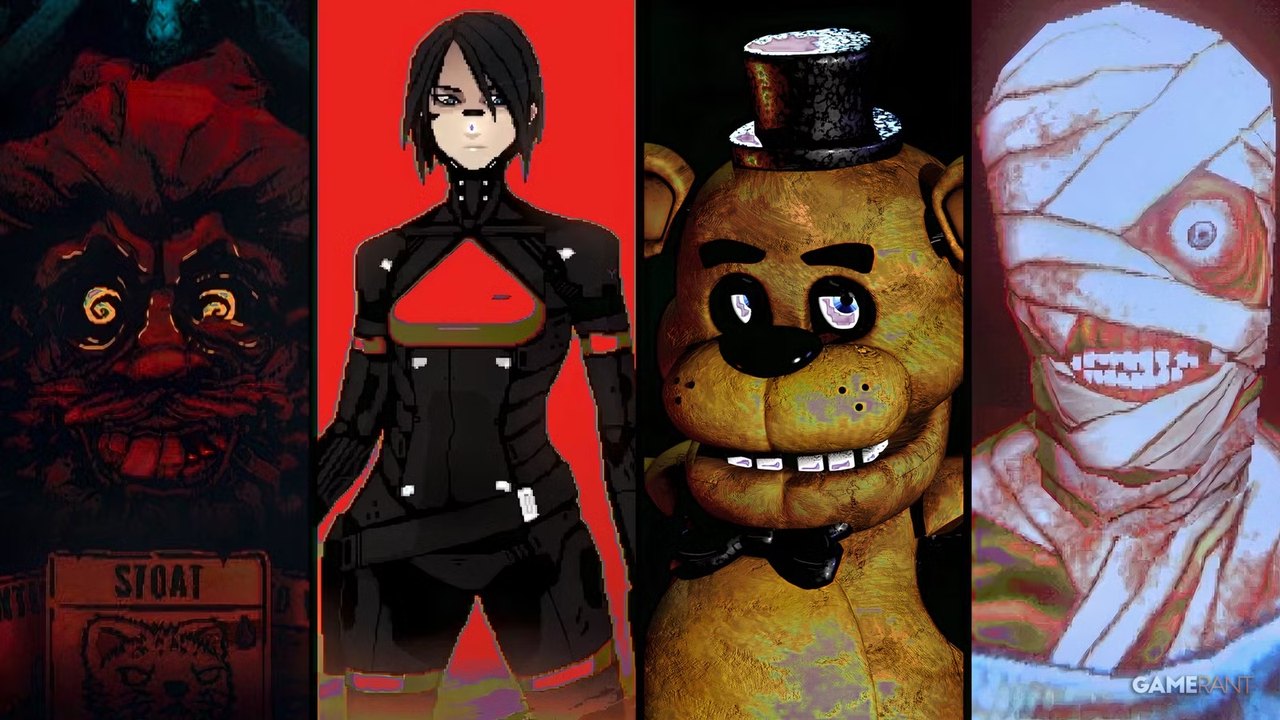
Image: Amber Warnock-Estrada · Source image rights not independently verified · Photo source · Cropped to 16:9; original source image
The Evolution of Indie Horror
While AAA game development navigates a period of significant industrial shifts, the independent gaming sector has increasingly become the primary source for innovation in horror. Several titles have transcended their modest origins to fundamentally alter the gaming landscape, introducing mechanics and tropes that now define the genre.
Influential Titles and Their Impact
- Five Nights at Freddy's: Widely credited with pioneering the "mascot horror" subgenre. Its success was bolstered by viral Let's Play content, proving that indie games could achieve massive mainstream reach.
- Inscryption: Blended roguelike deckbuilding with psychological horror and escape-room narratives. Its use of meta-elements and ARG-style immersion established a new standard for player engagement.
- Phasmophobia: Created to fill a void in the co-op market, this title pioneered a specific brand of "eerie realism" and voice-recognition interaction that now serves as a foundational blueprint for collaborative horror games.
- Dead by Daylight: Remains a dominant force in the competitive asymmetric horror space, noted for its successful integration of various horror intellectual properties and deep character progression systems.
- Signalis: Notable for its revival of PS1-inspired aesthetics and traditional survival horror gameplay, sparking a renewed interest in classic, atmospheric mechanics.
- Dredge: Praised for merging "cozy" gameplay loops with deep-sea cosmic horror, earning recognition within mainstream awards circles.
- Iron Lung: Recognized for its extreme focus on claustrophobic, resource-limited navigation. The game’s design has been cited as a significant influence on other contemporary horror titles.
- Mouthwashing: Highlighted as a recent example of how indie horror continues to shift audience engagement through intense narrative experiences that foster dedicated, active fan communities.
- Slay the Princess: Noted for proving that narrative depth and branching paths can coexist effectively with existential horror themes.
- Lethal Company: Currently viewed as a leader in the "Friendslop" genre, demonstrating the potency of cooperative horror in the age of live streaming.
Verifying the Data
Interested readers can verify these classifications and descriptions by reviewing individual store pages on platforms like Steam or by consulting the official developer logs for each title. Most of these games provide detailed histories and community hubs that track their updates and influence on the broader gaming ecosystem.
AI-assisted reporting; source claims are attributed and have not been independently verified.
More to read
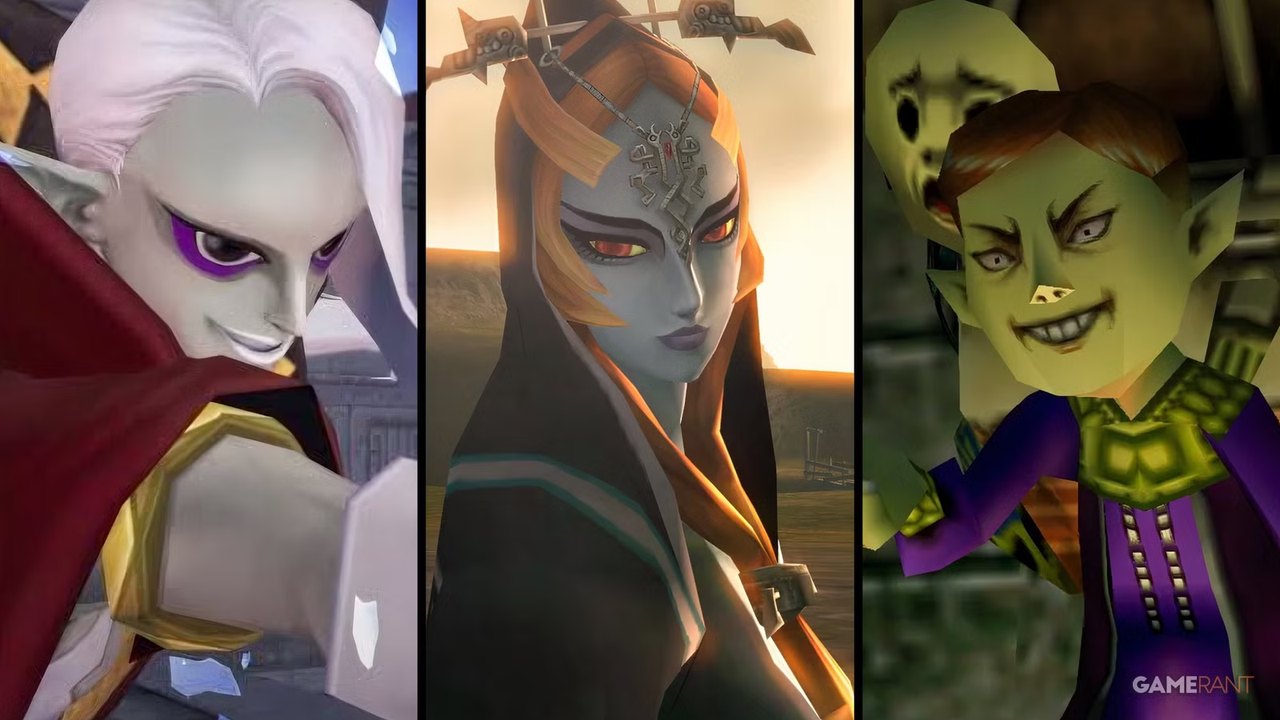 From Hyrule to Horror: Zelda Characters with Spine-Chilling Potential
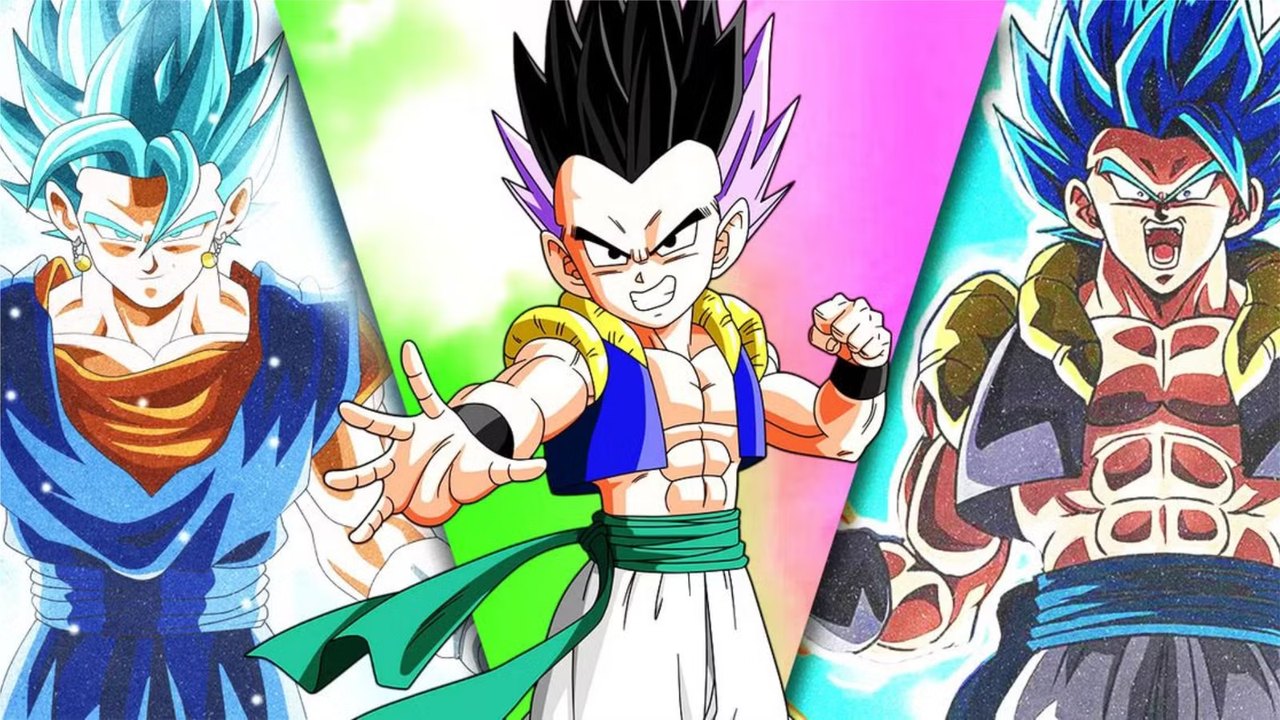 Tracing the Evolution and Impact of Fusion in the Dragon Ball Franchise
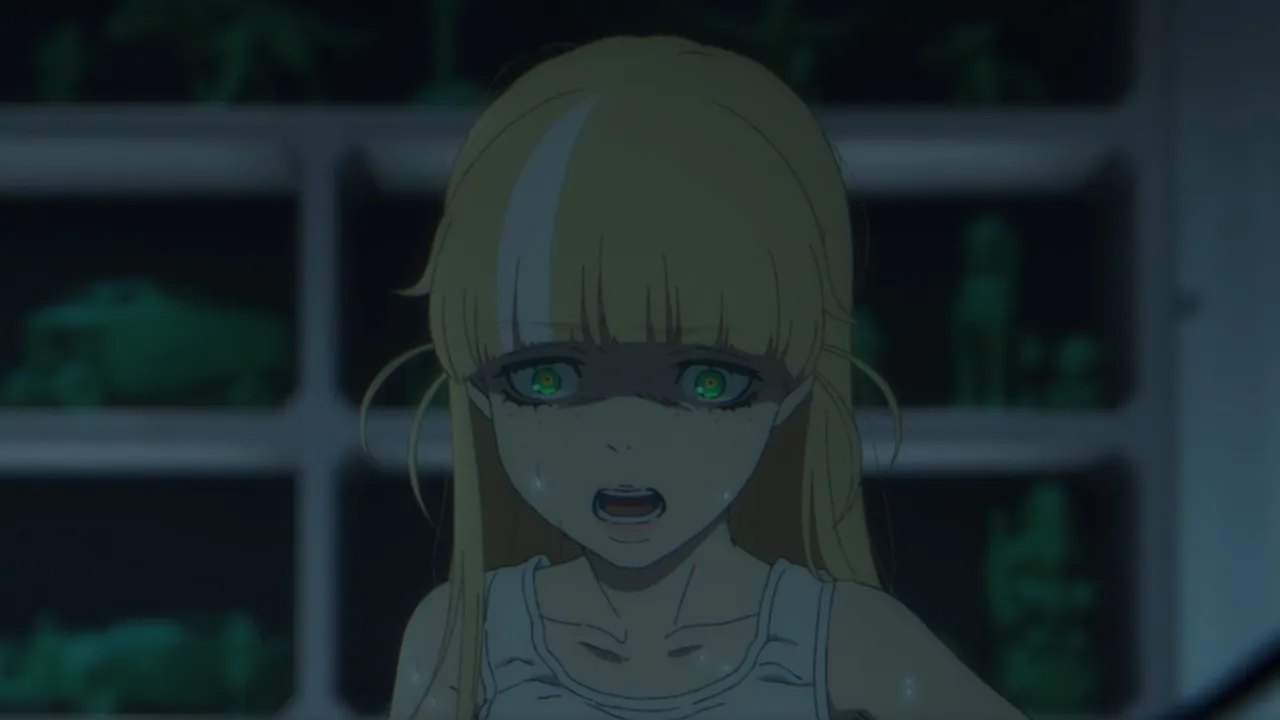 Kojima Productions Announces Death Stranding: Isolations Anime Series for 2027
 Digital Foundry Finds Significant Input Lag in Call of Duty: Modern Warfare 4 on Nintendo Switch 2
Trending on GlobeWire Daily
Selected from recent coverage and related topics; not live search rankings.
 GitHub Expands Copilot Code Review with 'Max' Effort Level and Automated Approvals
 US Tech Sector Faces Market Volatility Amid Heightened AI Spending Scrutiny
 Manchester United Manager Michael Carrick Addresses Friction with Captain Bruno Fernandes
 Open Genjutsu Launches Local-First Workflow for AI-Powered Video Recasting
 Lexmount Releases Moli: A Rust-Based Headless Browser Optimized for AI Agents
 Tonga Secures Semifinal Spot with Narrow Victory Over Samoa