Centre Proposes 30% Trade Margin Cap on Anti-Cancer Drugs to Lower Patient Costs
· GlobeWire Daily Science Desk · Source: news.abplive.com
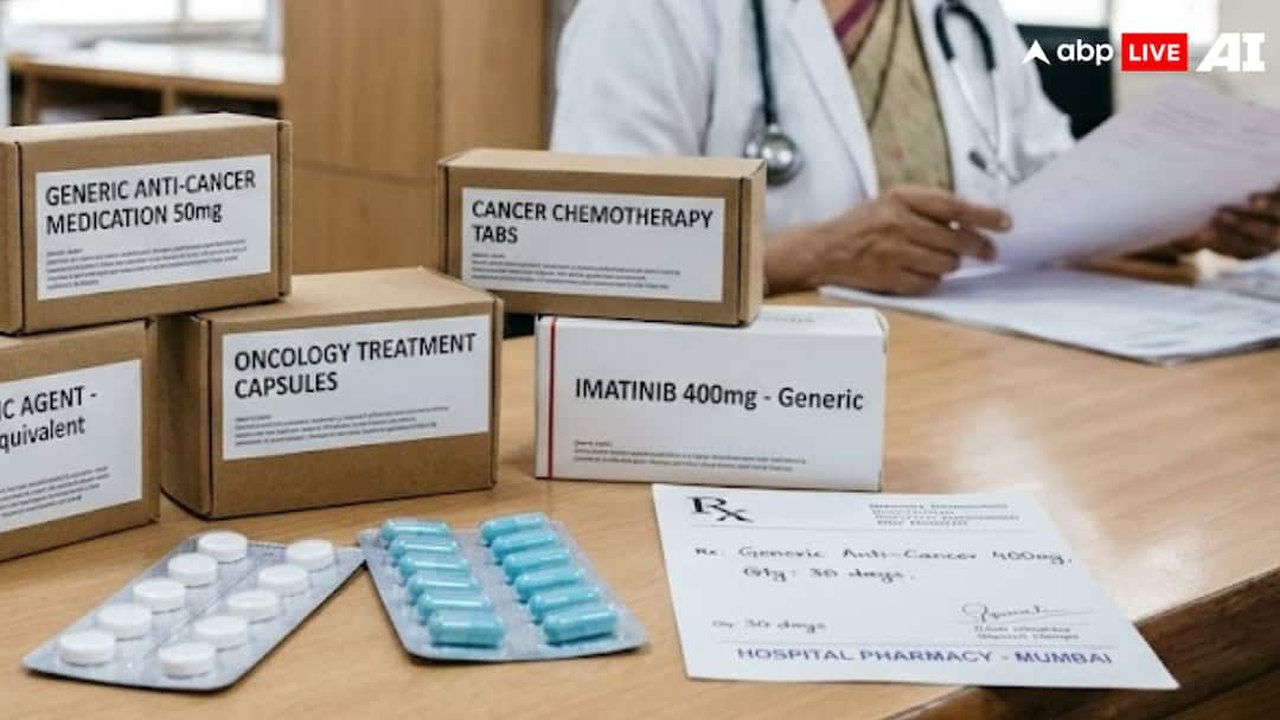
Image: Devyani Nautiyal — Creative Commons
Proposed Price Cap Aims to Reduce Medicine Costs
The central government has informed the Supreme Court that capping trade margins on anti-cancer medications at 30% could reduce retail prices by 20% to 70%. According to an affidavit submitted by the Department of Pharmaceuticals, the measure is projected to save patients approximately Rs 2,500 crore annually by curbing excessive mark-ups across the pharmaceutical supply chain.
The initiative follows consultations with industry stakeholders and an assessment of affordability and availability. To implement the measure, the Ministry of Health and Family Welfare established an expert committee on October 9, chaired by the Director General of Health Services. The committee is tasked with identifying specific medicines for the price cap and is expected to deliver its report within 10 to 15 days.
Review and Regulatory Next Steps
Once the expert committee finalizes its list, the National Pharmaceutical Pricing Authority (NPPA) will review the recommendations and issue formal price notifications. The regulatory framework aims to ensure that manufacturers pass the financial benefits directly to consumers, lowering out-of-pocket expenses for oncology patients.
The government cited a similar 2019 intervention as precedent, during which the NPPA capped trade margins at 30% for 42 selected non-scheduled anti-cancer drugs. That previous action lowered the maximum retail price (MRP) across 526 brands and generated estimated annual savings of Rs 984 crore.
Balancing Affordability and Supply Chain Realities
The affidavit acknowledges that broad trade margin rationalization requires careful calibration to avoid unintended disruptions. Industry associations have expressed concerns that strict caps could impact employment and distribution networks in remote regions, where smaller operators rely on multiple intermediaries.
Furthermore, officials noted that certain products—such as low-cost formulations, specialized temperature-controlled drugs, fragile items, and low-demand medications—may require higher trade margins to remain commercially viable for local retailers to stock.
Practical Implications and Verification
Readers seeking to verify the official details can consult the original reporting and public filings through the [ABP Live Report](https://news.abplive.com/health/anti-cancer-drug-prices-may-fall-up-to-70-centre-s-proposed-cap-1872907).
- What is confirmed: The Department of Pharmaceuticals submitted an affidavit to the Supreme Court proposing a 30% trade margin cap on non-scheduled anti-cancer drugs, an expert committee was formed on October 9 to identify applicable medications, and the NPPA will ultimately issue revised pricing notifications.
- What remains unknown: The final list of specific drugs subject to the cap, the exact implementation timeline, and the final recommendations of the expert committee have not yet been released.
AI-assisted reporting; source claims are attributed and have not been independently verified.
More to read
 ISRO Prepares GSLV-F17 Rocket to Launch EOS-05 Earth Observation Satellite
 Why the Data Center Backlash Focuses Locally While Climate Impacts Loom Large
 Deepwater Horizon Oil Spill Caused Severe Collapse of Gulf Ecosystem That Persists a Decade Later, Study Finds
 NASA's NEO Surveyor Sunshade Passes Inspection in Colorado Ahead of Asteroid-Hunting Mission
Trending on GlobeWire Daily
Selected from recent coverage and related topics; not live search rankings.
 Maharashtra Government Announces ₹5,000 Financial Assistance for Drought-Affected Farmers
 Delhi Police Special Cell Investigates Controversial Anti-Government Posters Found on Airport Express Metro Line
 Karnataka Government Approves Prosecution of IAS Officer Gyanendra Kumar Gangwar in KPSC Paper Leak Case
 Delhi to Install First‑Aid Medical Rooms in All 1,086 Government Schools, Spending ₹48.87 crore annually
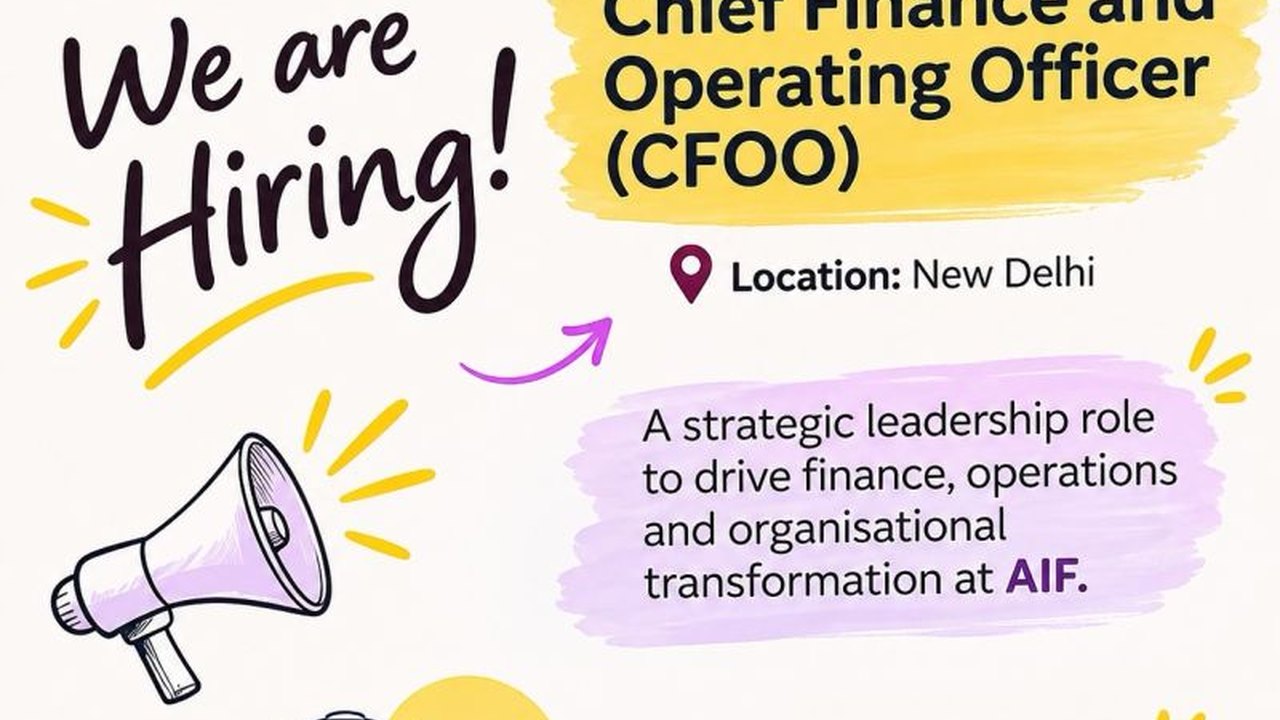 American India Foundation Seeks Chief Finance and Operating Officer for New Delhi Leadership Team
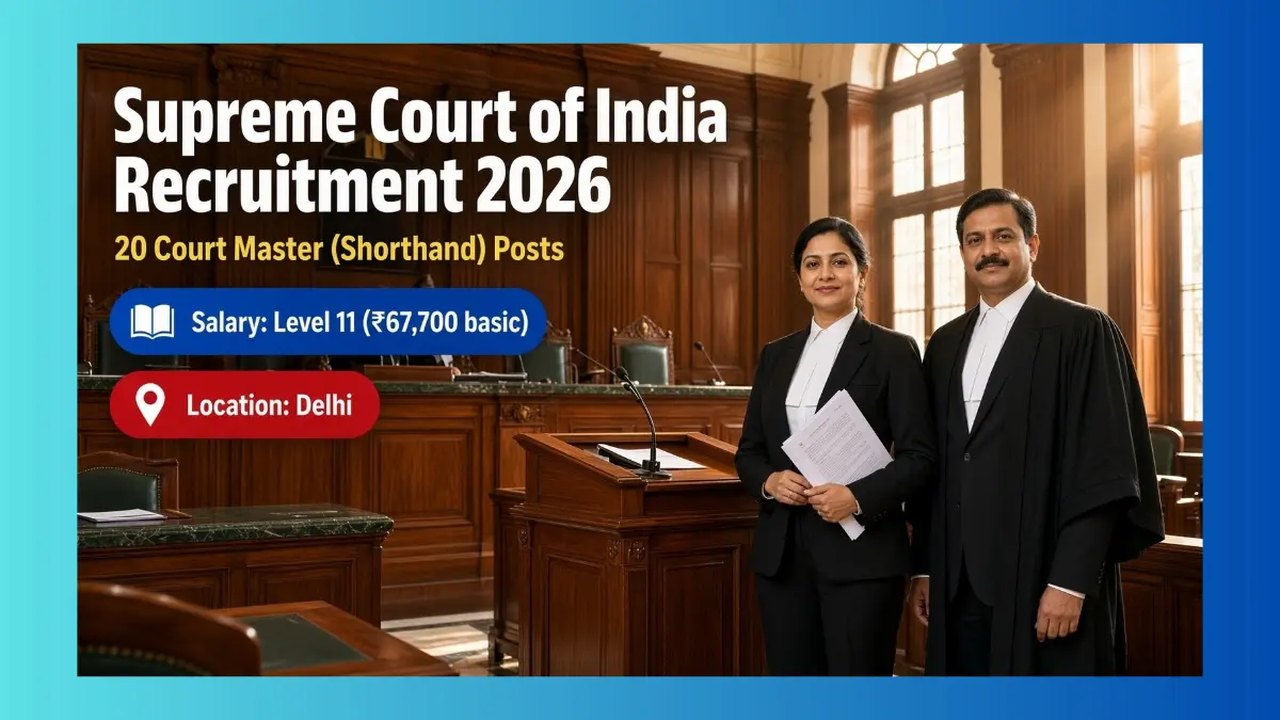 Supreme Court Invites Applications for 20 Court Master Posts in New Delhi