Deepwater Horizon Oil Spill Caused Severe Collapse of Gulf Ecosystem That Persists a Decade Later, Study Finds
· GlobeWire Daily Science Desk · Source: www.wired.com
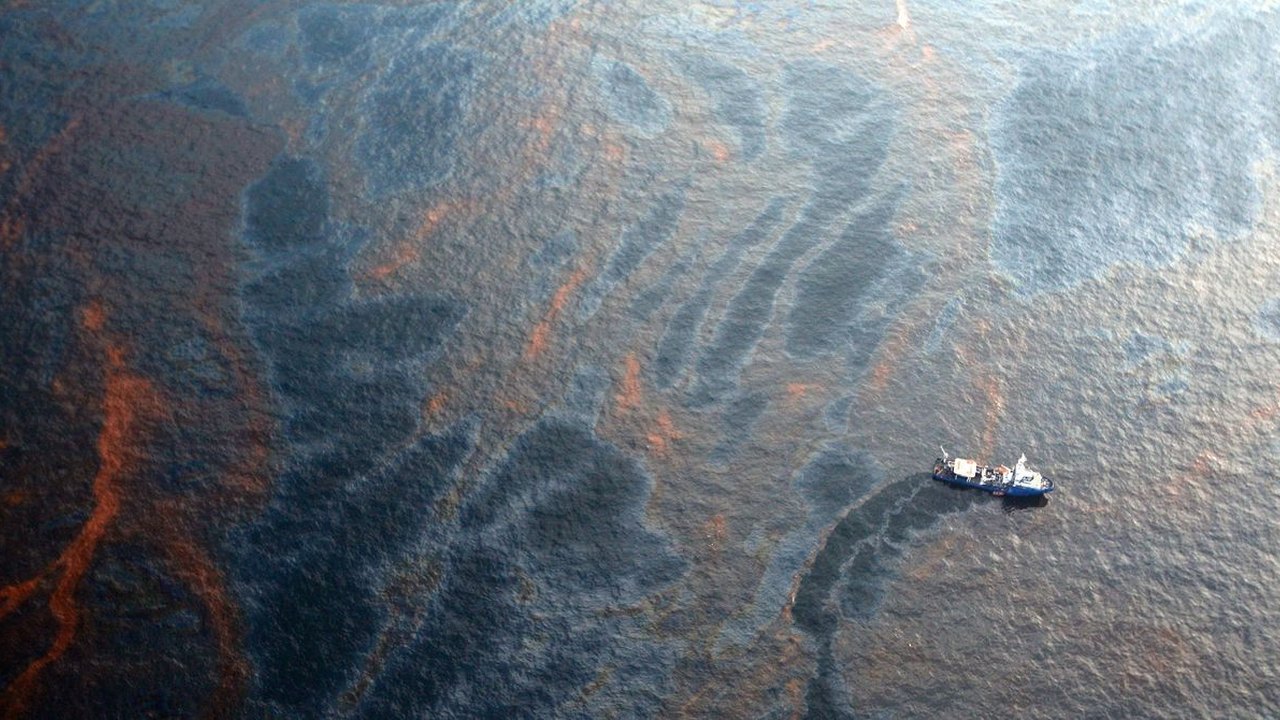
Image: Bob Berwyn — Creative Commons
New Research Reveals Long-Term Deep-Sea Collapse
A comprehensive new study published in the Proceedings of the National Academy of Sciences reveals that a deepwater ecosystem across hundreds of miles of the northern Gulf of Mexico collapsed following the 2010 Deepwater Horizon oil and gas spill, with recovery remaining uncertain more than a decade later.
The research documents that animal populations including octopus, krill, squid, and shrimp declined by 60 to 85 percent in the three and a half years following the disaster, showing few signs of recovery since. Foundational species in the Gulf food web, such as krill and lanternfish, suffered among the steepest losses. Scientists characterized the event as the fastest and most severe faunal decline ever documented for Earth's largest ecosystem type.
Methodology and Scientific Findings
To establish these findings, researchers utilized a baseline from nine months of sampling in 2011 and compared it against nine subsequent surveys conducted between 2015 and 2023. The sampling covered deep-pelagic habitats from roughly 650 feet to a mile beneath the surface across a wide grid surrounding the spill site.
Investigators employed three independent lines of evidence: net hauls deployed at varying depths during day and night cycles, ship-mounted scientific echosounders to measure sound reflected by marine life, and genetic sampling. After ruling out alternative variables like water temperature and oxygen levels, researchers identified the Deepwater Horizon blowout as the primary explanation for the ecosystem collapse. The findings also suggest that the massive die-off is triggering genetic bottlenecks, potentially creating further obstacles to long-term recovery.
Wider Ecological Impacts and User Implications
The consequences of the deep-sea collapse extend throughout the marine food web. Lead author Tracey Sutton, a professor of marine and environmental sciences at Nova Southeastern University, noted that a 2024 study recorded an 80 percent drop in deep-diving toothed whales. Large predators that depend on dense patches of prey have seen those food sources vanish.
Furthermore, the widespread mortality of these marine organisms may diminish the ocean's capacity to transport carbon dioxide from the atmosphere to the deep sea. Lingering pollutants may also impair the ability of certain species to locate mates in the dark by disrupting their sense of smell.
Practical Analysis: Confirmed Facts Versus Uncertainties
Readers evaluating environmental reports can distinguish verified details from ongoing unknowns by reviewing the official data:
- Confirmed: The Deepwater Horizon rig explosion occurred on April 20, 2010, releasing 4.9 million barrels of oil and 7.7 billion cubic feet of gas over 87 days. BP agreed to a $20.8 billion settlement in 2016, which included up to $8.8 billion designated for environmental restoration.
- Confirmed: Independent experts not involved in the new study, such as marine biologist Bruce Robison and marine ecologist Jeffrey Drazen, have praised the research design, noting that the alignment of net hauls, acoustic data, and genetic testing provides exceptionally robust evidence linking the decline directly to the spill.
- Unknown: The ultimate timeline and feasibility of full ecosystem recovery remain uncertain, as do the cumulative future impacts that proposed industrial activities, such as deep-sea mining, might introduce to already compromised deepwater habitats.
Readers can examine the complete study and original reporting details through the [Wired Report](https://www.wired.com/story/oil-spills-wreak-havoc-on-the-bottom-of-the-ocean-even-a-decade-later/).
AI-assisted reporting; source claims are attributed and have not been independently verified.
More to read
 Why the Data Center Backlash Focuses Locally While Climate Impacts Loom Large
 Centre Proposes 30% Trade Margin Cap on Anti-Cancer Drugs to Lower Patient Costs
 NASA's NEO Surveyor Sunshade Passes Inspection in Colorado Ahead of Asteroid-Hunting Mission
 First Known Human Case of Shamonda Virus Confirmed in France Following Patient's Death
Trending on GlobeWire Daily
Selected from recent coverage and related topics; not live search rankings.
 Maharashtra Government Announces ₹5,000 Financial Assistance for Drought-Affected Farmers
 Delhi Police Special Cell Investigates Controversial Anti-Government Posters Found on Airport Express Metro Line
 Karnataka Government Approves Prosecution of IAS Officer Gyanendra Kumar Gangwar in KPSC Paper Leak Case
 Delhi to Install First‑Aid Medical Rooms in All 1,086 Government Schools, Spending ₹48.87 crore annually
 American India Foundation Seeks Chief Finance and Operating Officer for New Delhi Leadership Team
 Supreme Court Invites Applications for 20 Court Master Posts in New Delhi