Does Excessive Screen Time Increase Stroke Risk? Medical Insights Explained
· GlobeWire Daily Science Desk · Source: news.abplive.com
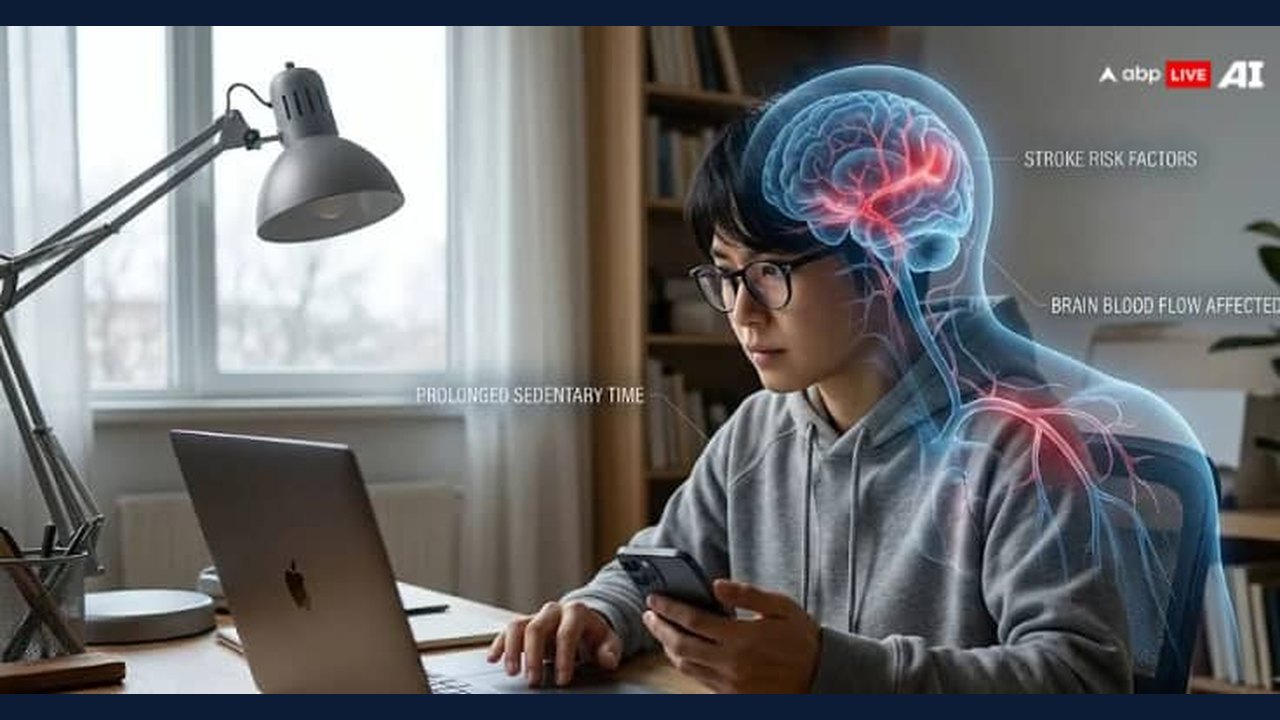
Image: ABP Live Lifestyle · Photo source · Resized and letterboxed to 16:9; no AI generation
Doctors note that while screens themselves are not a direct cause of stroke, the inactive lifestyle often associated with prolonged screen use can elevate risks over time. According to medical professionals, spending long hours sitting without physical activity contributes to conditions like high blood pressure, diabetes, and high cholesterol, which are known risk factors for stroke.
Understanding the Link Between Sedentary Habits and Stroke Risk
A study published in the American Stroke Association's journal *Stroke* indicated that adults aged 60 or younger who engaged in at least eight hours a day of sedentary leisure activities alongside low physical activity faced a higher stroke risk compared to more active individuals. However, experts clarify that screen time alone does not determine risk; overall physical activity levels, metabolism, blood circulation, and sleep quality also play significant roles.
- Prolonged sitting can affect metabolism and blood circulation.
- Late-night device usage can disturb sleep, impacting blood pressure management.
- There is no fixed screen-time limit that guarantees a stroke.
Who Needs Extra Caution?
Certain groups need to monitor their health more carefully:
- Individuals with high blood pressure, diabetes, or high cholesterol.
- People dealing with obesity or existing heart conditions.
- Those who have previously experienced a stroke or transient ischaemic attack (TIA).
Practical Ways to Mitigate Risks
Experts suggest that individuals who rely on computers and phones for work do not need to abandon screens entirely. Instead, incorporating healthy habits can help reduce risks:
- Take regular breaks to stand up and walk around.
- Walk while talking on the phone when feasible.
- Aim for at least 150 minutes of moderate-intensity physical activity weekly.
- Maintain a balanced diet, adequate sleep, and avoid tobacco while limiting alcohol.
Recognizing Stroke Warning Signs
Prompt medical attention is crucial during a stroke. Common warning signs include face drooping, sudden arm weakness, speech difficulty, vision problems, loss of balance, and a severe headache without an obvious reason. Anyone experiencing these symptoms should seek emergency medical help immediately. Readers can verify medical guidance by consulting qualified healthcare providers or reviewing publications from established health organizations.
AI-assisted reporting; source claims are attributed and have not been independently verified.
More to read
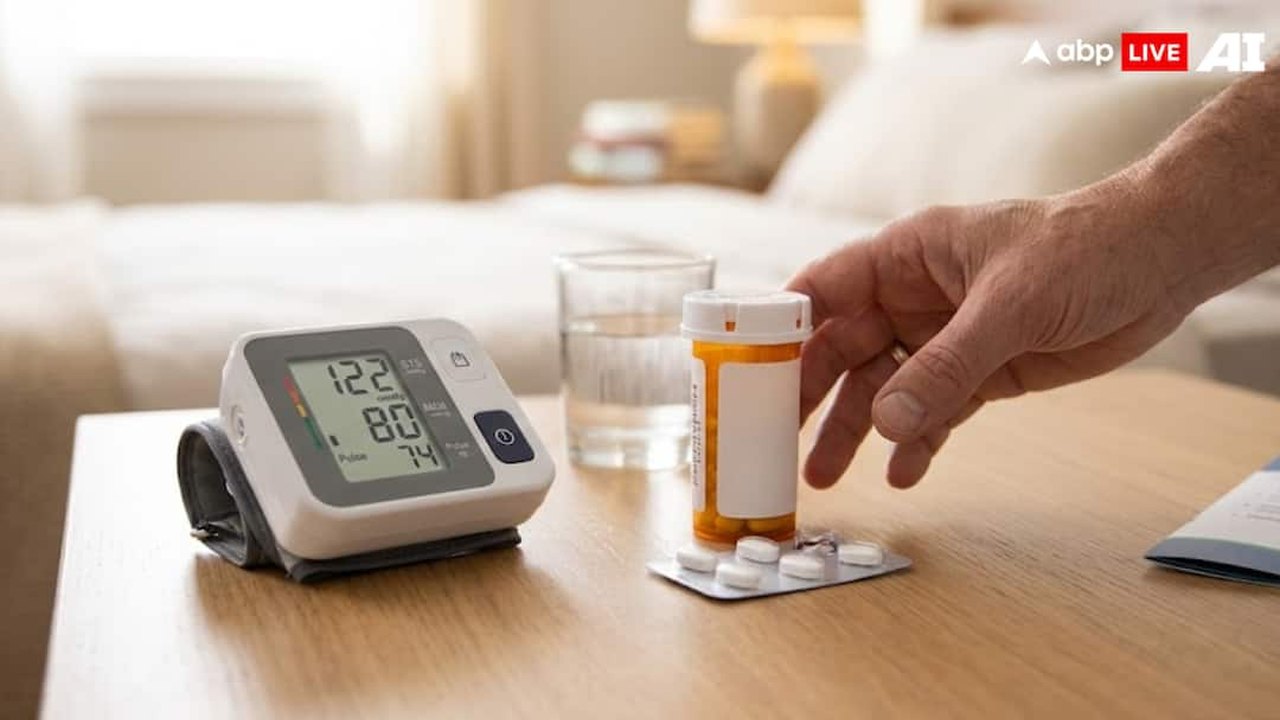 Consistent Blood Pressure Med Use Cuts Heart Attack, Stroke Risk by 11%, Study Finds
 Finding Inner Peace: Spiritual Discourse Discusses Modern Stress and Screen Time Management
 Antony Perumbavoor Responds to Mohanlal's Screen Time in 'Jailer 2'
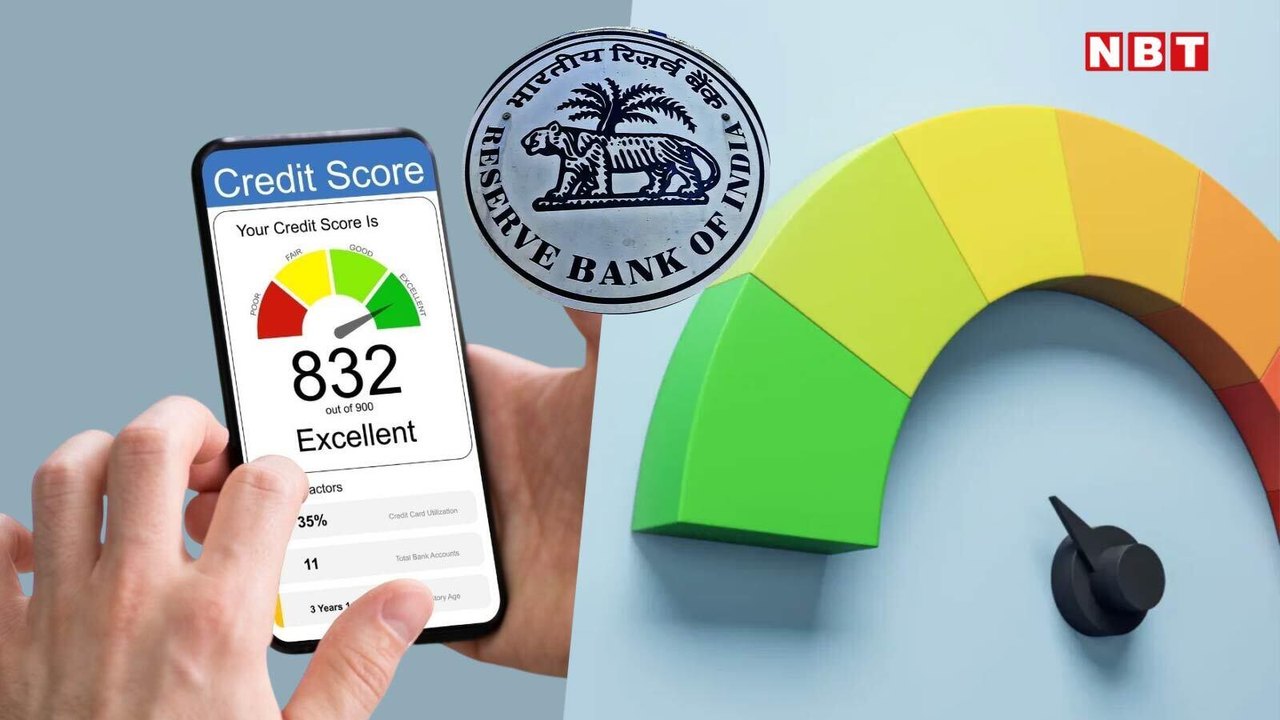 How Long Does a Credit Score Take to Update? RBI's New Rule Explained
Trending on GlobeWire Daily
Selected from recent coverage and related topics; not live search rankings.
 Madhya Pradesh Government Plans Revenue Generation from 117-Year-Old Edward Villa in Mumbai Through Leasing
 iPhone 18 Pro Named TechRadar Product of the Year 2026
 Google Project Suncatcher Runs Gemma 4 AI on Orbiting Satellite and Receives First Response
 Gender Disparities in Eye Care Access Across India Examined
 Satellite Images Show Cyclone Arnab Weakening Over India As New System Brews
 Expanding Green and Blue Spaces Crucial for India's Economic and Public Health, Reports Indicate