Milky Way and Aurora Align in Night Sky Over Norway in Astronomy Picture of the Day
· GlobeWire Daily Science Desk · Source: science.nasa.gov
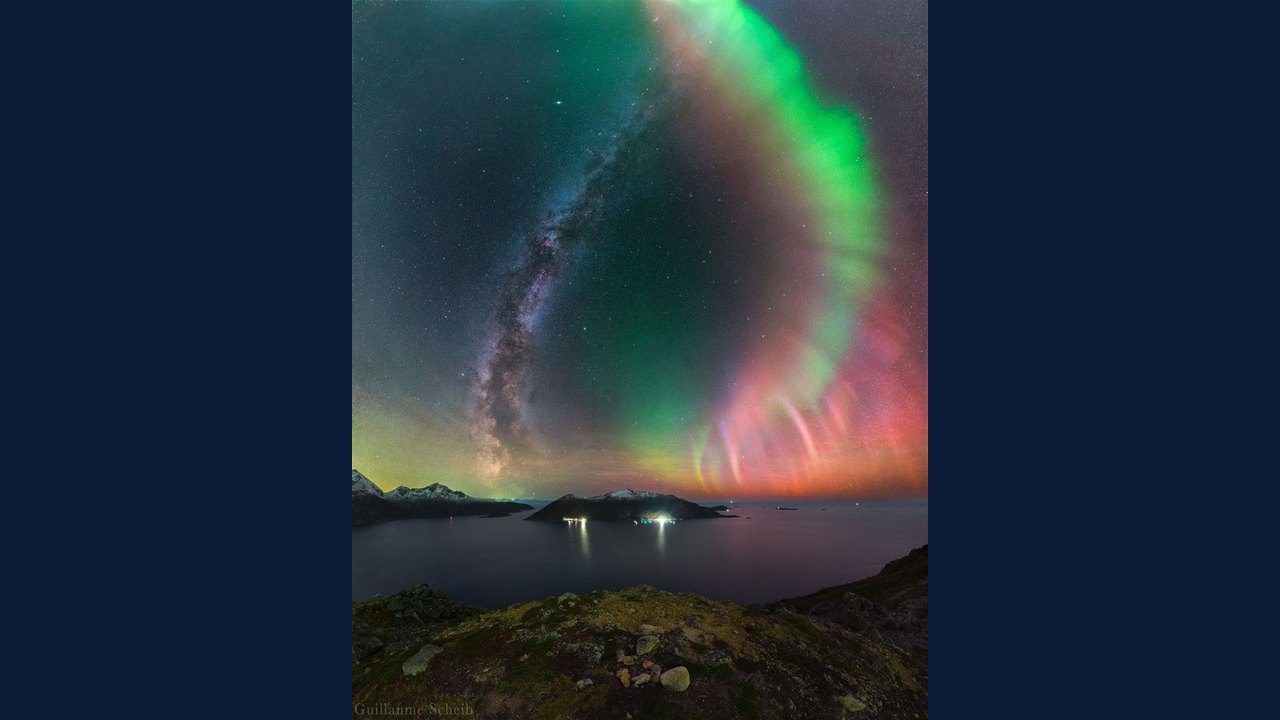
Image: NASA Science · Photo source · Resized and letterboxed to 16:9; no AI generation
An astronomy photograph featured by NASA showcases a striking view where the central band of the Milky Way galaxy and a glowing auroral ribbon appear to form competing arches in the night sky. According to the accompanying explanation by a professional astronomer, the image was captured approximately a month prior from Kvaløya in northern Norway.
Understanding the Celestial Alignments
- Milky Way Galaxy: The ancient system of stars, gas, and dust visible on the left side of the frame predates Earth and resides at a vast cosmic distance.
- Auroral Ribbon: The dynamic arch on the right is a much younger feature, formed hours before capture within Earth's upper atmosphere by energized atoms and molecules.
- Shared Origin: Both cosmic phenomena connect to the Sun, a star within the Milky Way that ejects the energetic particles responsible for auroras.
Background Features and Observations
- The Big Dipper: Visible positioned far behind the central section of the auroral arch.
- Andromeda Galaxy: Appears as a bright spot near the upper frame, slightly left of the center, located at an even greater distance.
Practical Implications and Verification
Stargazers and astrophotography enthusiasts can observe similar seasonal night sky alignments depending on geographic latitude, weather conditions, and geomagnetic activity. Observers interested in verifying or exploring related astronomical daily features can consult NASA's official Astronomy Picture of the Day (APOD) archive platform.
AI-assisted reporting; source claims are attributed and have not been independently verified.
More to read
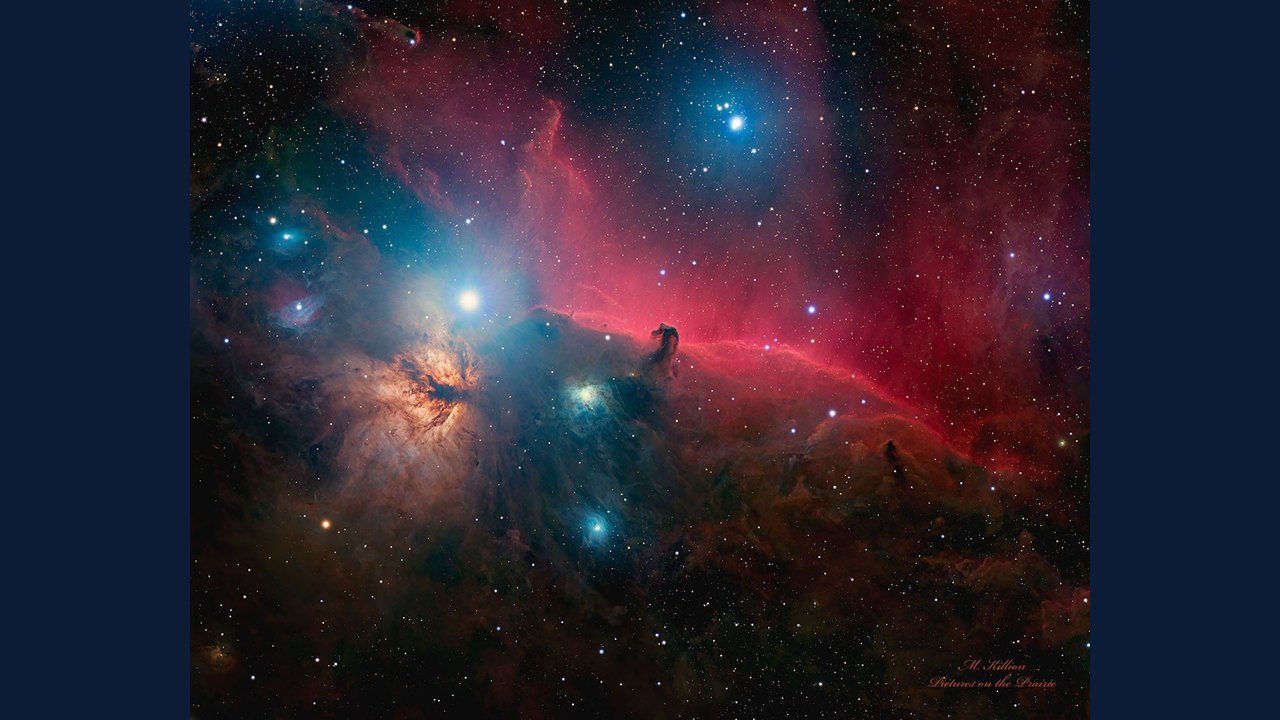 NASA Astronomy Picture Highlights Horsehead and Flame Nebulas in New Image
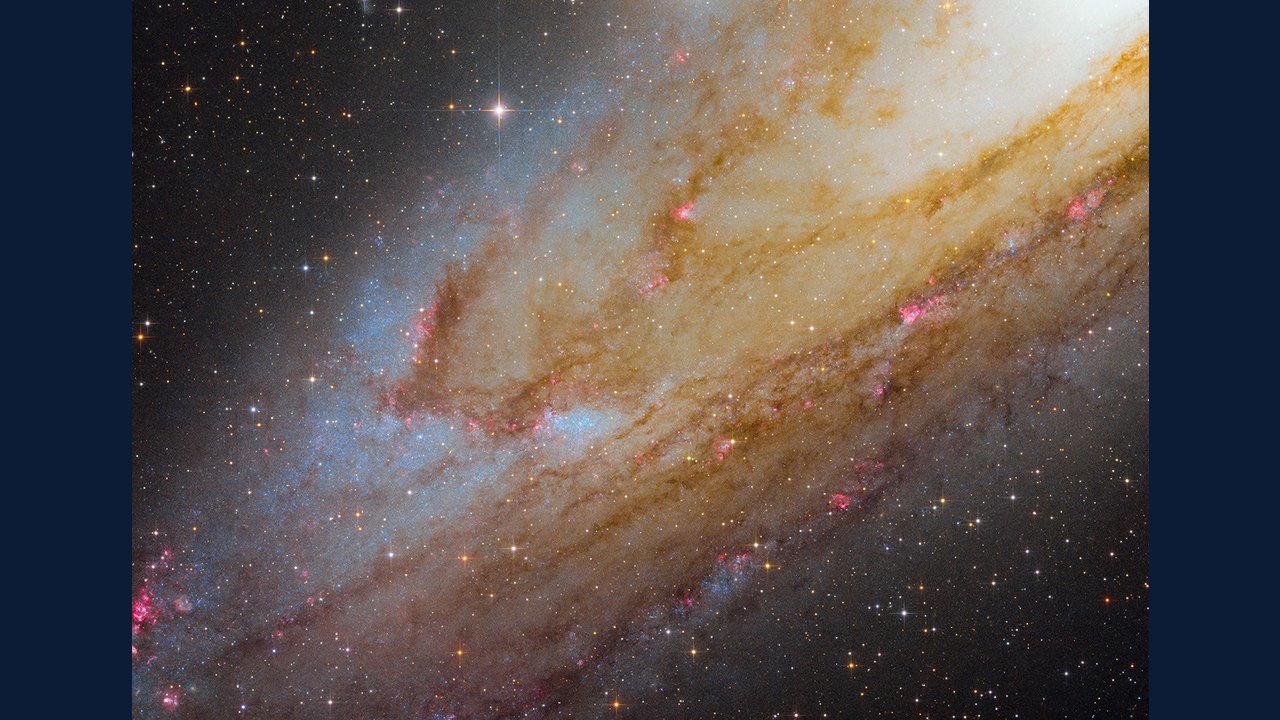 NASA Astronomy Picture Highlights NGC 206 Star Clouds in Andromeda
 ESA’s Euclid Space Telescope Captures Crowded Heart of the Milky Way
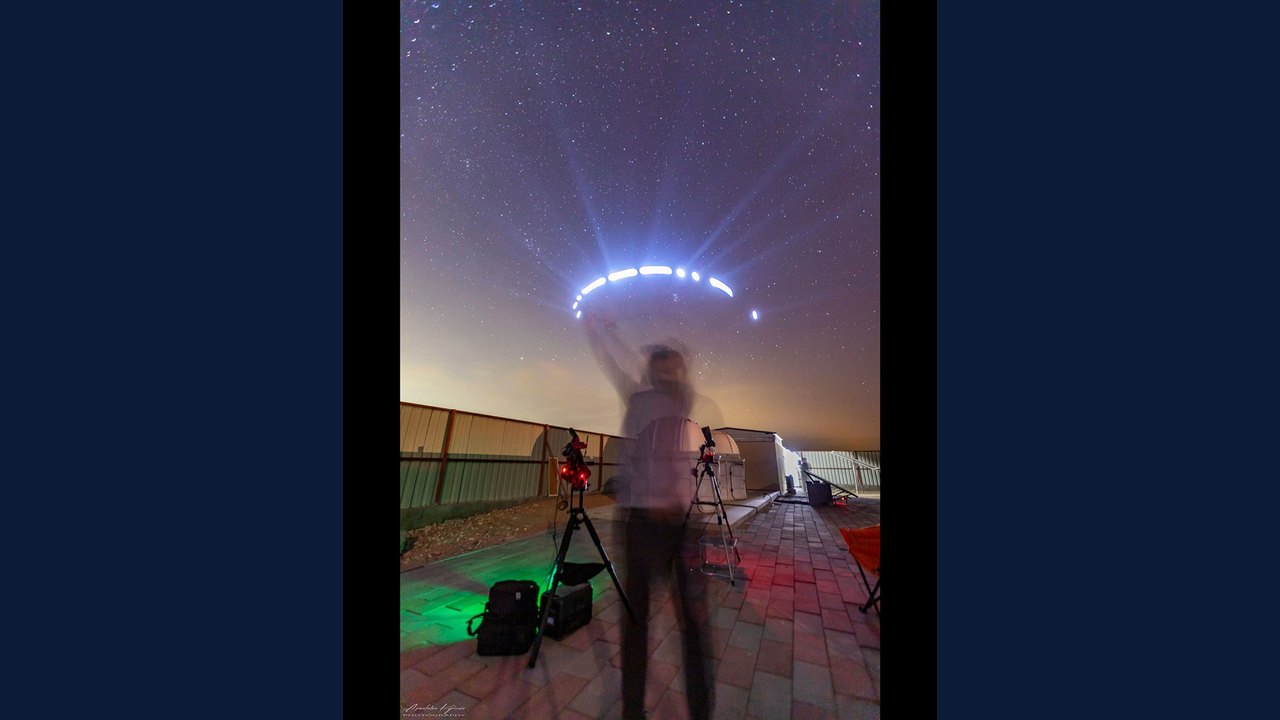 Voyager 1 Reaches One Light-Day Distance Milestone in Interstellar Space