New Study Challenges Theory That Comets Brought Life's Ingredients to Early Earth
· GlobeWire Daily Science Desk · Source: timesofindia.indiatimes.com
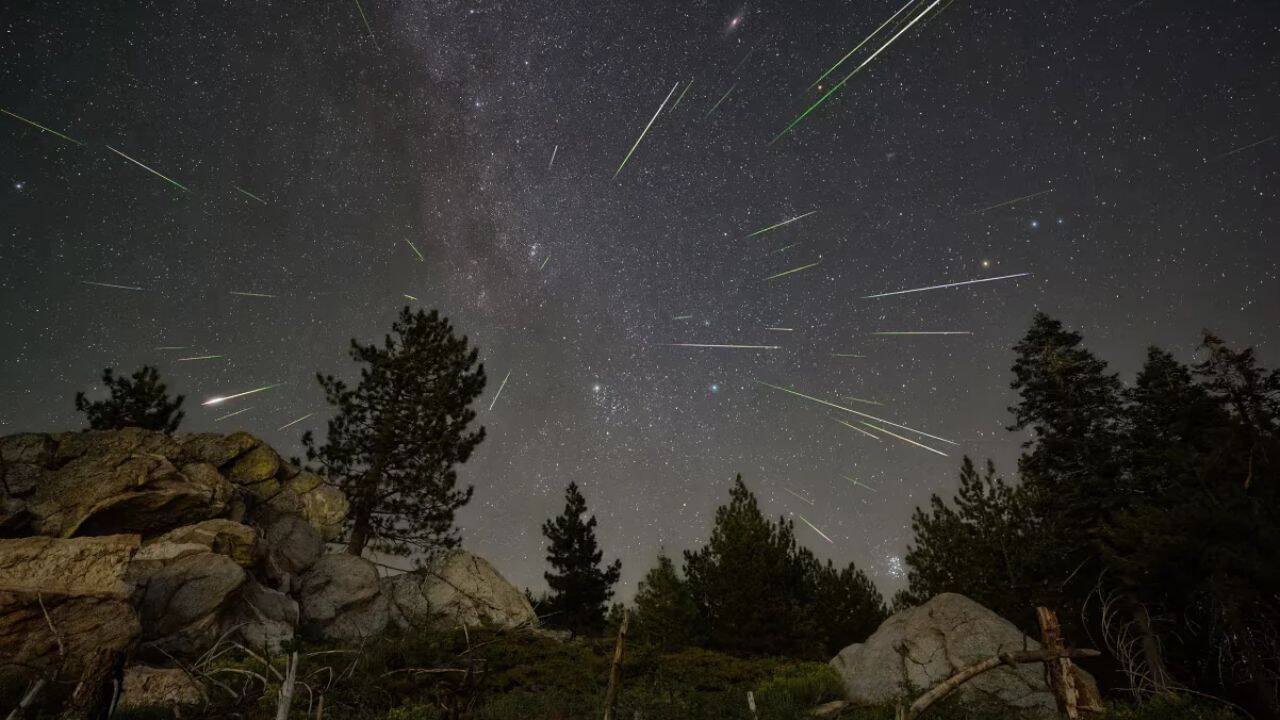
Image: The Times of India · Photo source · Resized and letterboxed to 16:9; no AI generation
A recent study published in Scientific Reports on October 28 suggests that high-speed comet impacts may have destroyed vital organic compounds rather than delivering them to early Earth, challenging the long-held theory that comets sparked life on our planet.
Researchers at the University of Cambridge, led by Richard Anslow, utilized 100,000 computer simulations to evaluate if comets could transport sufficient quantities of hydrogen cyanide—a key chemical for building life's blocks—without destroying it upon impact.
Key Findings from the Cambridge Study
- Simulation Results: In 54 percent of the computer models, not a single impact successfully delivered the required concentration of hydrogen cyanide.
- Rare Success: While 46 percent of simulations recorded at least one potentially successful impact, multiple successful deliveries were found to be extremely rare.
- Favourable Window: The researchers noted that the most optimal conditions for potential delivery might have occurred approximately 4.41 billion years ago.
Lead researcher Richard Anslow explained to CNN that typical comet velocities make it difficult for organic molecules to remain intact during a collision. Consequently, scientists may need to reevaluate the role comets played in prebiotic chemistry.
Understanding Comets and Their Origins
According to NASA, comets are primordial remnants from the solar system's formation around 4.6 billion years ago. Often characterized as "dirty snowballs," these small bodies consist of frozen gases, water ice, rock, dust, and organic compounds.
- Origins: Most comets originate from the Kuiper Belt beyond Neptune or the distant Oort Cloud.
- Orbits: They travel in elongated orbits around the Sun, and their paths can be altered by the gravitational pull of planets like Jupiter and Neptune.
- Impact Probability: Actual collisions with Earth are rare, as most comets pass safely through the solar system or shed smaller particles that burn up as meteor showers.
Practical Implications and Verification
This study highlights the ongoing evolution of scientific understanding regarding Earth's origins. Readers interested in examining the original claims can review the published research paper in the journal *Scientific Reports* under the University of Cambridge research publications.
AI-assisted reporting; source claims are attributed and have not been independently verified.
More to read
 Deepwater Horizon Oil Spill Caused Severe Collapse of Gulf Ecosystem That Persists a Decade Later, Study Finds
 Can the Moon Sustain Millions? New Study Challenges Lunar Colonization Estimates
 NASA-Funded Study Details Teghaza 001, One of the Oldest Martian Meteorites Found on Earth
 Author Kit de Waal Says Reading 'Saved My Life' After Turbulent Early Years
Trending on GlobeWire Daily
Selected from recent coverage and related topics; not live search rankings.
 Madhya Pradesh Government Plans Revenue Generation from 117-Year-Old Edward Villa in Mumbai Through Leasing
 iPhone 18 Pro Named TechRadar Product of the Year 2026
 Google Project Suncatcher Runs Gemma 4 AI on Orbiting Satellite and Receives First Response
 Gender Disparities in Eye Care Access Across India Examined
 Satellite Images Show Cyclone Arnab Weakening Over India As New System Brews
 Expanding Green and Blue Spaces Crucial for India's Economic and Public Health, Reports Indicate