Bhopal Air Quality Deteriorates After Dhanteras, AQI Reaches 197 Amid Pollution Concerns
· GlobeWire Daily Editorial Desk · Source: www.amarujala.com
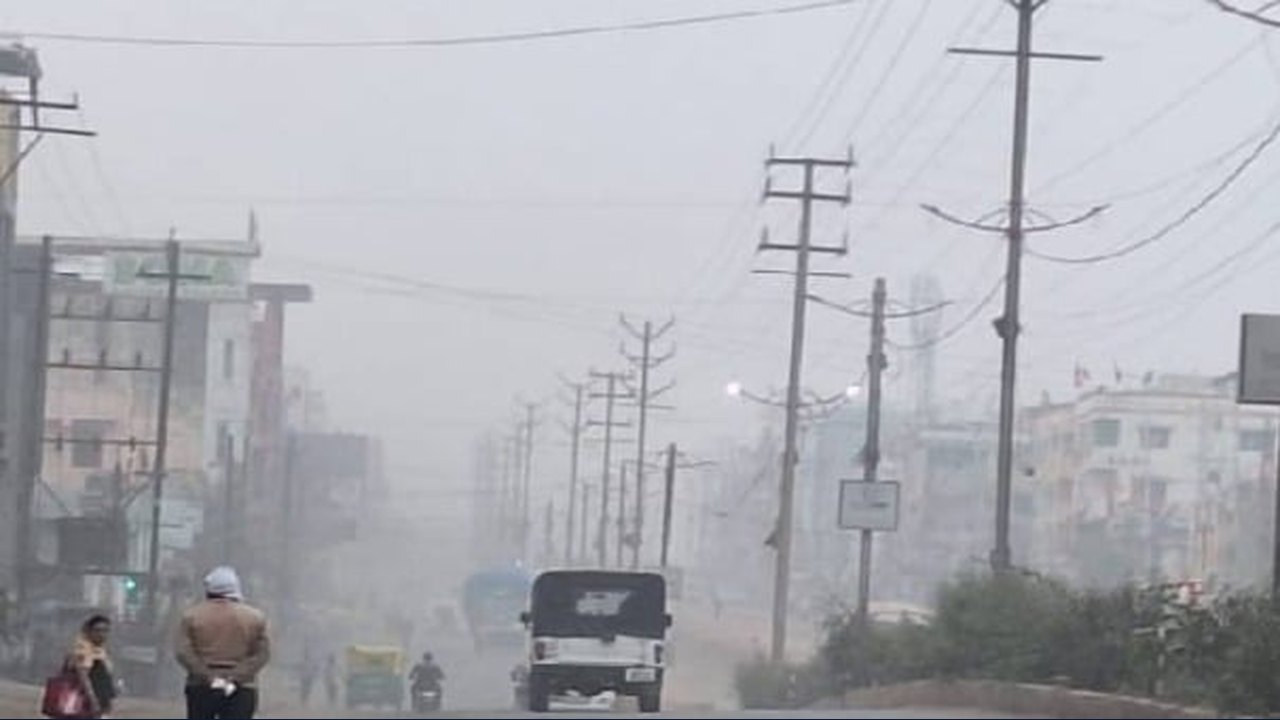
Image: Amar Ujala · Photo source · Resized and letterboxed to 16:9; no AI generation
Air Quality Update in Bhopal
The air quality in Bhopal, Madhya Pradesh, has raised concerns following increased market crowds and vehicle movement during Dhanteras. According to monitoring data from the TT Nagar monitoring station, the Air Quality Index (AQI) was recorded at 197 at 5:00 AM on Saturday, November 7, placing it at the upper limit of the moderate category.
Authorities and monitoring reports indicate that this level is not considered normal and may cause breathing difficulties for sensitive individuals. Further increases in pollution levels are anticipated following the burning of firecrackers on Sunday, November 8, for Diwali.
Breakdown of Pollutant Sub-Indices
Data from the monitoring station detailed the sub-indices for various pollutants:
- PM 2.5: 197 (highest contributor, posing concerns due to fine particulate matter)
- PM 10: 160
- Nitrogen Dioxide: 59
- Ozone: 18
- Sulphur Dioxide: 23
- Carbon Monoxide: 70
Contributing Factors and Diwali Outlook
The deterioration was reported following heavy shopping crowds in key markets such as New Market, Chouk Bazaar, MP Nagar, and old city areas on Friday, November 6 (Dhanteras). Vehicular emissions, road dust, and construction activities were noted as potential contributors to the rising pollution levels.
While the exact AQI figures for Diwali night cannot be predicted in advance—as they depend on factors like firecracker usage volume, wind speed, wind direction, and atmospheric dispersion—experts warn that widespread firecracker use could keep pollution particles suspended in the atmosphere, especially if wind speeds remain low at night.
AQI Categories Reference
- 0–50 (Good): Clean air with minimal health impact.
- 51–100 (Satisfactory): Generally acceptable for most people.
- 101–200 (Moderate): May cause breathing discomfort for sensitive groups like asthma and respiratory patients.
- 201–300 (Poor): Can cause breathing difficulty for healthy people on prolonged exposure.
- 301–400 (Very Poor): Increases risk of respiratory illnesses on prolonged exposure.
- 401–500 (Severe): Affects healthy individuals and seriously impacts those with existing conditions.
Precautions for Sensitive Groups
Children, the elderly, pregnant individuals, and those with asthma or heart conditions are advised to limit prolonged outdoor exposure when pollution levels rise, avoid standing near firecracker smoke, and seek medical advice if experiencing respiratory distress, chest tightness, or persistent coughing.
AI-assisted reporting; source claims are attributed and have not been independently verified.
More to read
 Delhi-NCR Air Quality Declines in October: Practical Steps to Protect Your Lungs
 Industrial Boom in Monterrey Triggers Severe Air Pollution Crisis, Investigation Finds
 Finland Launches Criminal Investigation Into Google Data Centre Site Over Environmental Concerns
 Leylah Fernandez Reaches Pan Pacific Open Final in Tokyo
Related coverage
Related reporting available at publication.
Delhi-NCR Air Quality Declines in October: Practical Steps to Protect Your LungsIndustrial Boom in Monterrey Triggers Severe Air Pollution Crisis, Investigation FindsFinland Launches Criminal Investigation Into Google Data Centre Site Over Environmental ConcernsLeylah Fernandez Reaches Pan Pacific Open Final in Tokyo Ignored TTZ Directives Linked to Fatal Highway Collision in Agra
 Elderly Man Dies After Stray Bull Attack in Varanasi Village