Real-Time Data Identifies Waste Burning as Primary Contributor to Delhi Air Pollution
· GlobeWire Daily Editorial Desk · Source: timesofindia.indiatimes.com

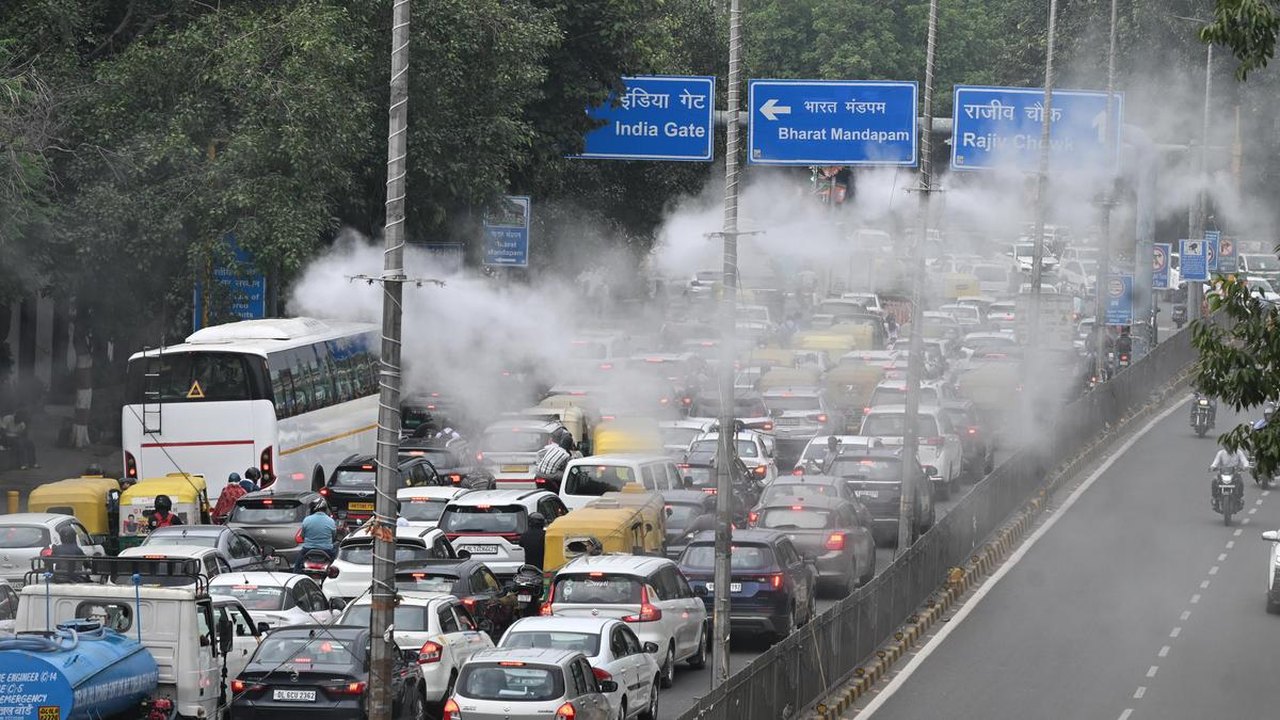
Image: The Times of India · Photo source · Resized and letterboxed to 16:9; no AI generation
New real-time source apportionment data indicates that waste burning, including municipal, plastic, and rubber waste, has emerged as a leading cause of air pollution in Delhi. On Tuesday, waste burning accounted for 20.4% of the city’s air pollution, surpassing vehicular emissions, which stood at 19.6%.
Data and Trends
According to findings from the Indian Institute of Tropical Meteorology’s new Integrated Atmospheric Chemistry and Aerosol Toxicity Analysis Laboratory, inaugurated on October 24, the contribution of waste burning has risen sharply. While levels remained below 5% between October 22 and 26, recent figures show a significant spike, with expectations of further increases during the winter months.
Contributing factors identified on Tuesday include:
- Municipal and plastic waste: 20.4%
- Roadside biomass burning (leaves, grass): 2.6%
- Wood burning: 2.5%
- Dung-cake burning: 2.2%
Perspectives on Mitigation
Experts and policy advocates have highlighted the need for systemic changes to address these figures:
- Sunil Dahiya (Envirocatalyst): Emphasized that waste burning is a localized, preventable issue. He suggested the Municipal Corporation of Delhi (MCD) publish ward-level data on waste generation and collection to identify processing gaps.
- Anumita Roychowdhury (Centre for Science and Environment): Noted that open fires often result from unsegregated waste accumulation. She advocated for universal segregation, decentralized composting, and formalizing the roles of informal recyclers.
Enforcement Actions
The MCD has increased enforcement efforts, reporting 784 challans and penalties totaling Rs 8.7 lakh in 2025, compared to 191 challans and Rs 4.4 lakh in 2024. Civic officials state that joint enforcement teams, comprising over 1,200 staff members, are currently monitoring for biomass burning, illegal dumping, and dust pollution under the city's winter action plan.
Citizens are encouraged to monitor official air quality indices and local municipal updates for the latest developments regarding waste management and pollution control measures.
AI-assisted reporting; source claims are attributed and have not been independently verified.
More to read
 Delhi‑NCR to Ban Construction and Demolition from Nov. 5‑20 to Curb Air Pollution
 God's Eye View: Real‑time 3D Global Simulator Brings Public Data to Your Browser
 Startup Atoco Uses Data‑Center Waste Heat to Pull Water from Air with MOF Technology
 Delhi Records No 'Severe' AQI Days During November 1-15 for the First Time Since 2015