Supreme Court Criticizes Authorities Over Implementation of Firecracker Regulations
· GlobeWire Daily Editorial Desk · Source: www.amarujala.com

Image: Amar Ujala · Photo source · Resized and letterboxed to 16:9; no AI generation
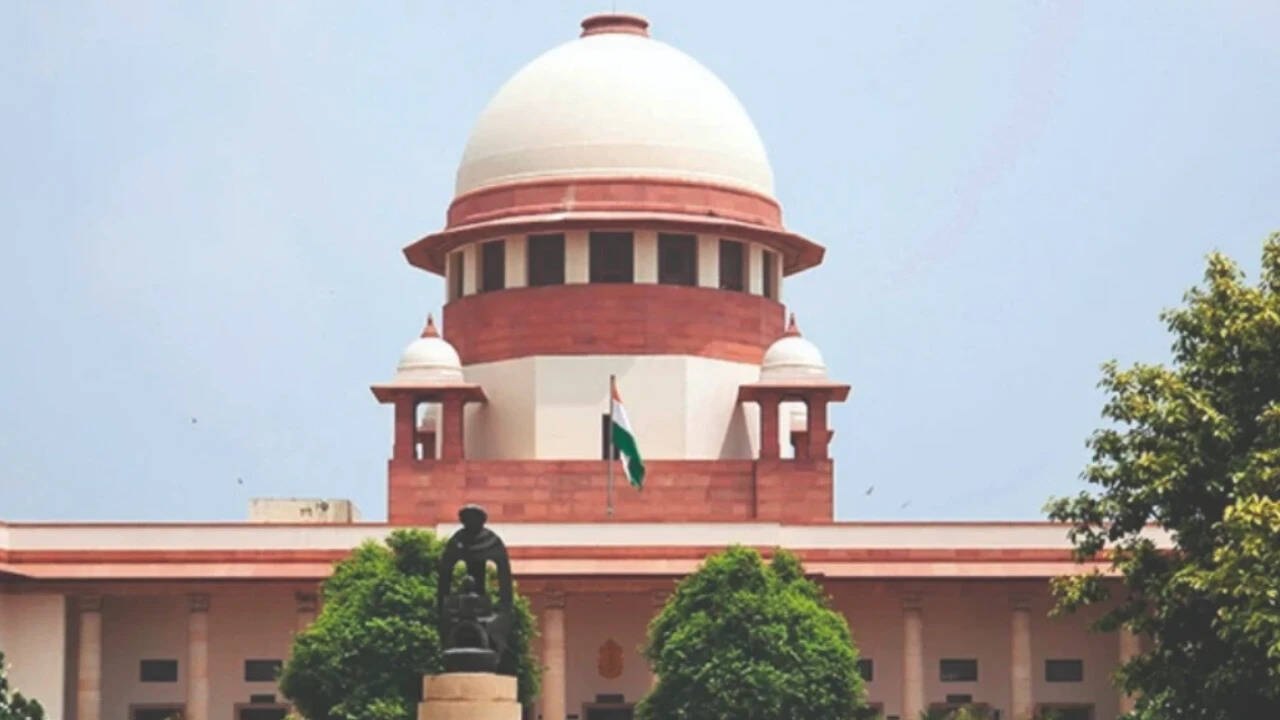
The Supreme Court of India recently expressed strong dissatisfaction with the Delhi government and the Commission for Air Quality Management (CAQM) regarding the failure to effectively implement directives intended to control firecracker use during festivals. A bench comprising Justice MM Sundresh and Justice PB Varale remarked that the repeated violation of these rules makes the court's orders appear merely theoretical, essentially becoming a 'mockery' of the judicial process.
Court's Key Observations
- Lack of Concrete Data: The bench highlighted the absence of verifiable statistics regarding the impact of existing directives.
- Monitoring Inefficiency: The court questioned whether surveillance teams visited identified areas, when these visits occurred, and what data was collected, particularly in locations showing spikes in the Air Quality Index (AQI).
- Need for Balance: The court clarified it is not currently favoring a total ban on firecrackers but is instead seeking a balance. It urged officials to focus on monitoring the ground situation specifically on the days when firecracker usage is permitted.
- Addressing Demand and Supply: Justices noted that traders will naturally operate based on market demand. Controlling sales alone may be insufficient; therefore, systemic ground-level enforcement is required.
Promoting Awareness
Rather than focusing on punitive actions against the general public, the court suggested leveraging the influence of celebrities, such as cricketer Virat Kohli, to raise awareness about the environmental impact of firecrackers. The bench emphasized that the tradition of festivals involves light (lamps), not the fire and pollution associated with crackers.
Official Preparedness
Additional Solicitor General Aishwarya Bhati informed the court that the Delhi government has prepared an action plan, including the deployment of 608 anti-smog guns and the promotion of electric vehicles. However, the court raised concerns citing an amicus curiae report indicating that only nine out of 29 CAQM units were operational. The court expects authorities to adopt a higher level of strategic thinking to address the critical intersection of public health and seasonal pollution.
AI-assisted reporting; source claims are attributed and have not been independently verified.
More to read
 Supreme Court Warns Delhi Authorities Not to Push for Harsh Firecracker Ban
 Supreme Court Emphasises Firecracker Enforcement Over New Bans
 Supreme Court Dismisses Mahua Moitra’s Plea for Transparency in SEBI Regulations
 Indian Publishers Contest Government’s Privacy Law in Supreme Court
Trending on GlobeWire Daily
Selected from recent coverage and related topics; not live search rankings.
 Madhya Pradesh Government Plans Revenue Generation from 117-Year-Old Edward Villa in Mumbai Through Leasing
 iPhone 18 Pro Named TechRadar Product of the Year 2026
 Google Project Suncatcher Runs Gemma 4 AI on Orbiting Satellite and Receives First Response
 Gender Disparities in Eye Care Access Across India Examined
 Satellite Images Show Cyclone Arnab Weakening Over India As New System Brews
 Expanding Green and Blue Spaces Crucial for India's Economic and Public Health, Reports Indicate