Socceroo Cristian Volpato Licenses AI Likeness in Push to Monetize Digital Identity
· GlobeWire Daily Lifestyle Desk · Source: www.theguardian.com
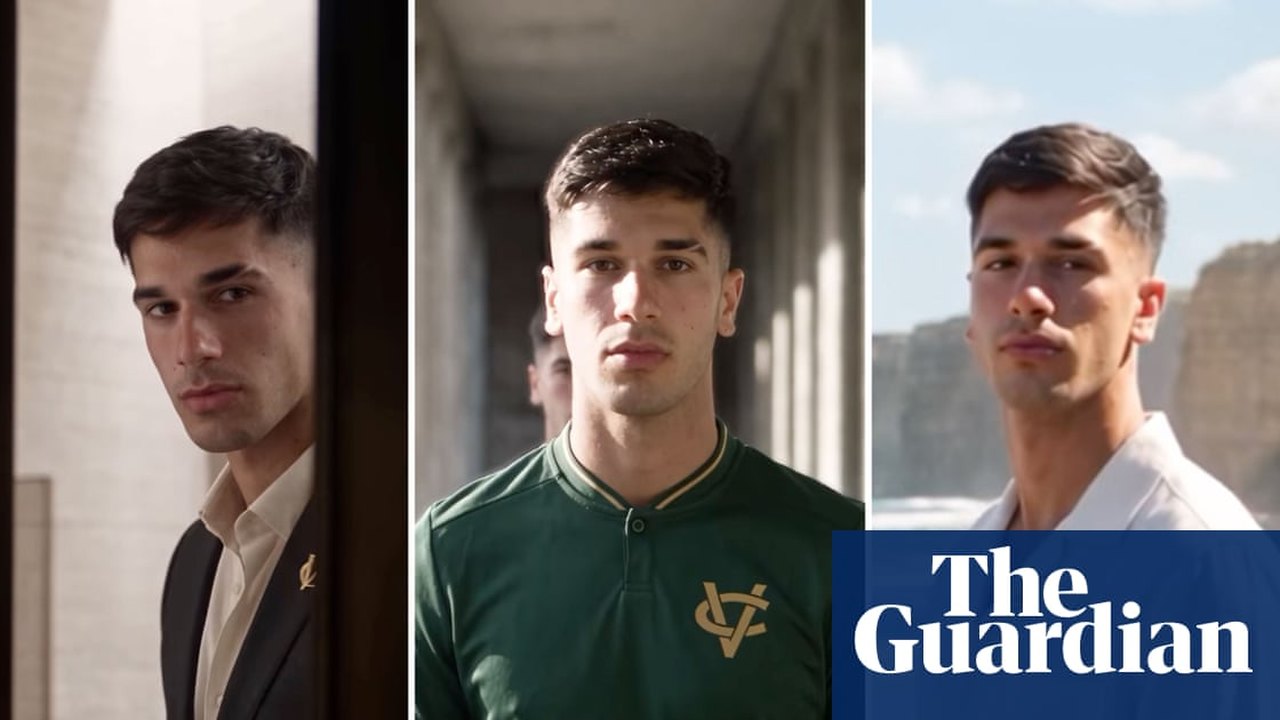
Image: www.theguardian.com — Creative Commons
Professional athletes are increasingly taking steps to control and monetize their digital identities as artificial intelligence technology advances. Australian football international Cristian Volpato has become the latest high-profile player to license his digital likeness, partnering with a California-based company to manage his AI-generated presence.
The Rise of the 'Synthetic Twin'
In mid-September, the 22-year-old Sassuolo midfielder signed an agreement with Callandor, an AI licensing firm founded earlier this year. The deal grants the company exclusive rights to Volpato’s digital likeness, voice, biometric profiles, and performance data. According to company executives, the arrangement allows them to secure approved brand partnerships while restricting unauthorized digital content.
Michael Fisk, co-founder of Callandor and a former executive at Sony Pictures and MGM, noted that the technology enables a player's digital twin to operate continuously across various platforms without interfering with their athletic training schedules. Beyond traditional advertising, the company is exploring foreign-language book voiceovers and interactive fan applications.
Volpato is part of a broader movement among professional athletes seeking to protect their image rights. In June, Brazilian star Neymar licensed his likeness to a Chinese-owned entertainment platform for short videos during the FIFA World Cup.
Combating Unauthorized Deepfakes
The push toward proactive licensing comes amid a surge in unauthorized digital content. Broadcasters, bookmakers, and brands have increasingly utilized athletes' images in AI-generated media without explicit permission. Earlier this month, the Australian Football League (AFL) instructed a gambling partner to halt the unauthorized use of player AI images following complaints from the players' union.
Legal experts note that current intellectual property protections, such as "passing off" laws, generally require public figures to prove economic loss to challenge unauthorized use. Meanwhile, global player unions and athletes—including a UK-based campaign launched by players like Cole Palmer and Lucy Bronze—have raised concerns over the proliferation of unregulated deepfakes.
Practical Implications and Reader Verification
For readers following the intersection of sports and digital technology, this trend highlights a shifting landscape in media rights and consent.
- What is confirmed: Cristian Volpato has signed an exclusive AI licensing agreement with Callandor. Other athletes, including Neymar, have engaged in similar digital licensing projects, while sports organizations are grappling with unauthorized AI advertising.
- What remains unknown: It is unclear whether brands will ultimately pay traditional rates for AI-generated athlete endorsements compared to physical appearances, and how future government regulations will impact digital rights contracts.
- How to verify: Readers can review the original reporting and official details through [The Guardian](https://www.theguardian.com/technology/2026/oct/25/synthetic-twin-why-socceroo-cristian-volpato-is-the-latest-footballer-to-license-his-ai-clone).
AI-assisted reporting; source claims are attributed and have not been independently verified.
More to read
 Mental Health Awareness Has Grown, But Professional Help-Seeking Remains Low: Expert Insights
 Raymond Lifestyle Reports Record Total Income of ₹2,125 Crore in Q2 FY27 Amid Strong Apparel and Garmenting Growth
 How to Transform Leftover Custard Into a Seasonal Fruit Fool
 Working Alongside Code: Inside the Rise of AI Agents in Modern Workplaces
Trending on GlobeWire Daily
Selected from recent coverage and related topics; not live search rankings.
 Supreme Court Questions High Medicine Prices and Hospital Margins, Seeks Stronger Controls
 Karan Johar Opens Up About Past Fallouts with Varun Dhawan and Janhvi Kapoor on Talk Show
 Coveo Reports Second Quarter Fiscal 2027 Financial Results and Announces Anglera Acquisition
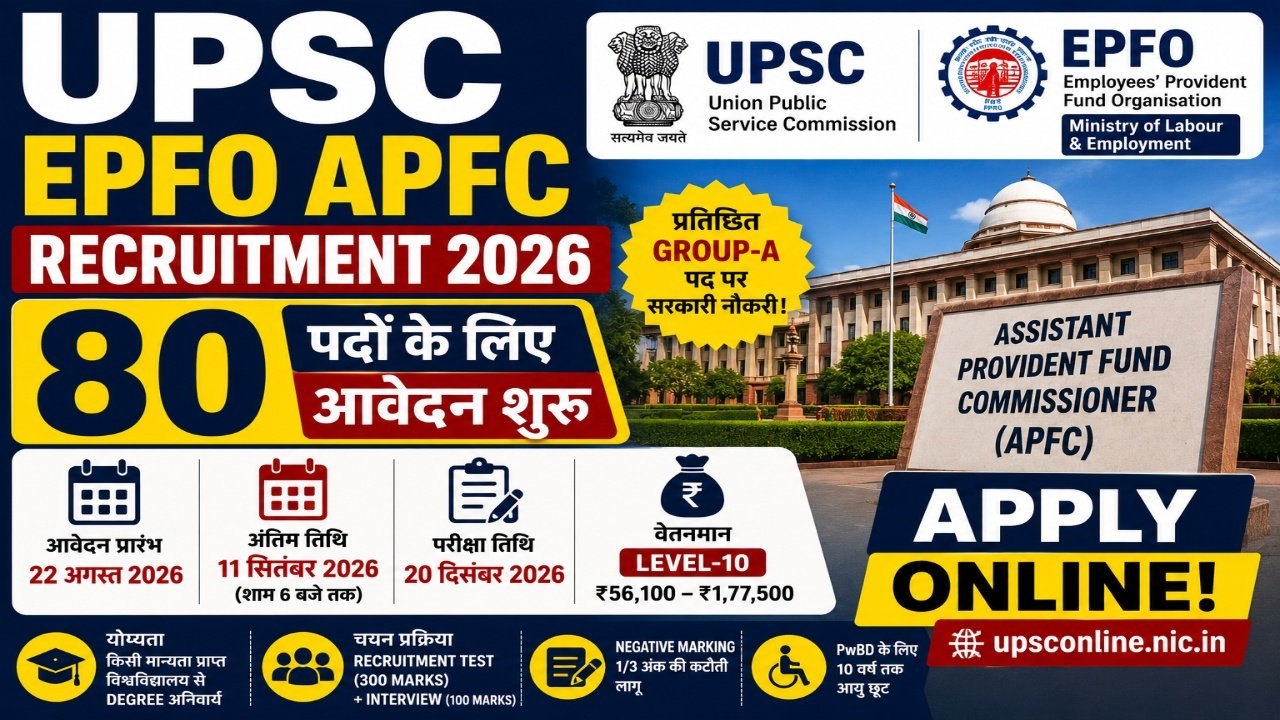 UPSC Opens Recruitment for 80 Assistant Provident Fund Commissioner Posts Under Special Advertisement No. 52/2026
 UPESSC PRT Assistant Teacher Recruitment 2026: Application Deadline Extended to November 4 for 12,405 Posts
 Gujarat Surya Urja Rooftop Yojana: Understanding Subsidy Structures, Application Steps, and Grid Rules