Understanding the Parathyroid Gland: How It Differs From Thyroid and Regulates Calcium
· GlobeWire Daily Lifestyle Desk · Source: www.amarujala.com
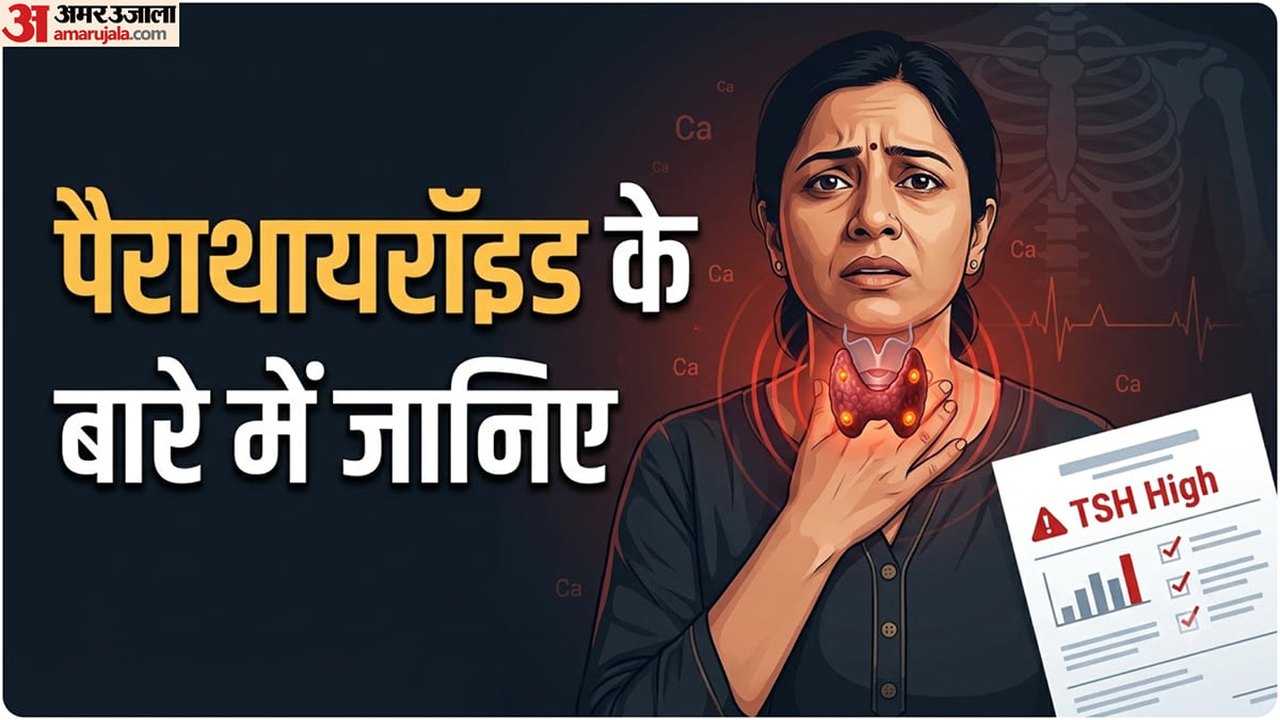
Image: Amar Ujala · Photo source · Resized and letterboxed to 16:9; no AI generation
Reports discuss the differences between the thyroid and the lesser-known parathyroid glands located in the neck. While thyroid issues are widely recognized globally, parathyroid glands perform distinct functions, primarily regulating calcium levels in the body.
What is the Parathyroid Gland?
- Location: Four small glands situated directly behind the thyroid gland in the neck.
- Primary Function: They produce parathyroid hormone (PTH), which helps balance calcium levels in the blood.
- Calcium Regulation: PTH signals bones to release small amounts of calcium and phosphate into the blood when needed, and prevents the kidneys from excreting excess calcium through urine.
Thyroid vs. Parathyroid
While the thyroid gland is often associated with weight changes, fatigue, hair loss, and heart rate, the parathyroid glands specifically manage calcium balance. Calcium is essential not just for bones and teeth, but also for muscle function, nerve signaling, and normal heartbeats.
Potential Impacts of Imbalances
Reports indicate that disruptions in parathyroid hormone levels can affect bones, kidneys, muscles, and nerves:
- Overactive Glands: Excess PTH can increase blood calcium levels, potentially leading to kidney stones, weakened bones, constipation, fatigue, and increased thirst.
- Underactive Glands: Low PTH can reduce calcium levels, potentially causing tingling in hands and feet, muscle cramps, and in severe cases, seizures.
Verification and Medical Advice
Health experts suggest that individuals experiencing persistent symptoms—such as recurring kidney stones, bone weakness, numbness, or muscle cramps—should consult a qualified doctor for proper diagnosis. Blood tests are typically used to evaluate calcium and parathyroid function.
Readers should verify original health announcements directly with medical professionals and reference official medical guidelines for accurate health information.
AI-assisted reporting; source claims are attributed and have not been independently verified.
More to read
 Understanding Emotional Manipulation: When a Partner Threatens Breakup Over Minor Issues
 Baby Pacifier Safety: Understanding Benefits, Risks, and Safe Usage Guidelines
 Understanding Sad Nipple Syndrome: What Causes the Sudden Rush of Dysphoria?
 Understanding Sudden Blood Pressure Spikes: Causes, Science, and When to Seek Medical Help