Aging NASA Swift Observatory Expected to Re-enter Atmosphere This Week
· GlobeWire Daily Editorial Desk · Source: www.cbc.ca

Original GlobeWire Daily editorial illustration — not an event photograph.
After 22 years of monitoring the most powerful explosions in the universe, NASA’s Swift Observatory is nearing the end of its mission. Due to increased solar activity accelerating its descent from low-Earth orbit, the 1.5-ton telescope is projected to fall back to Earth on or around Friday.
Mission Legacy
Launched on November 20, 2004, the Swift telescope was designed to detect gamma-ray bursts and supernovas. Over its two decades of service, it provided critical data on:
- Over 2,000 gamma-ray bursts.
- 1,400 exploding stars.
- Numerous comets, asteroids, and black hole events.
Known for its ability to quickly swivel toward erupting celestial phenomena, Swift functioned as a 'first responder' for larger observatories like Hubble and Webb, alerting them to transient events for deeper follow-up studies.
Failed Rescue Attempt
As the satellite’s orbit decayed, NASA sought to extend its lifespan. The agency contracted Katalyst Space to perform a robotic rescue mission. Unfortunately, the 'Link' robot, launched in July, experienced technical difficulties and failed to approach the telescope, ultimately re-entering the atmosphere in September.
Re-entry Expectations
While the U.S. Space Force is monitoring the descent, NASA officials, including chief scientist Brad Cenko, note that most of the spacecraft is expected to disintegrate upon atmospheric entry. However, some dense components, such as tungsten parts and mirror segments, could survive. While the wreckage is expected to fall into the ocean, the potential re-entry zone includes parts of:
- Africa and Australia
- India and Southeast Asia
- Central and South America
Scientists continue to evaluate how to fill the observational gap left by Swift’s retirement. John Nousek, who led the control team, emphasized that the team's focus remains on applying the lessons learned from Swift to future space missions.
AI-assisted reporting; source claims are attributed and have not been independently verified.
More to read
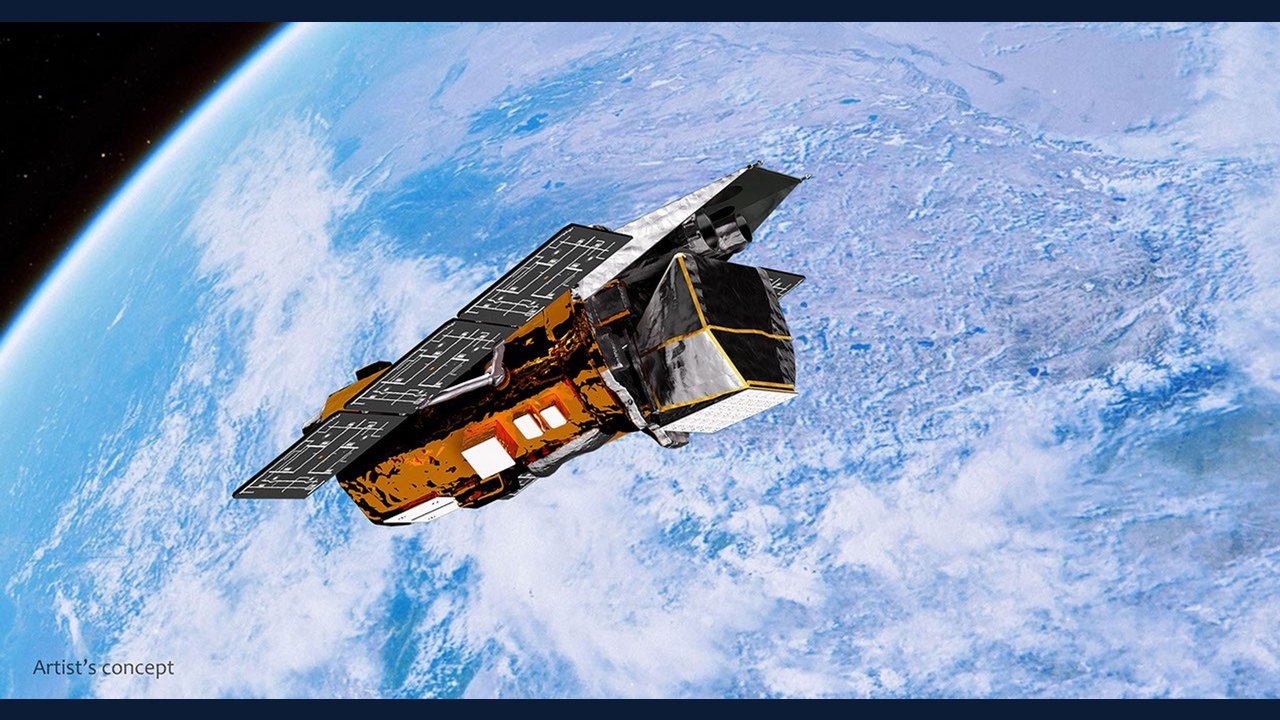 NASA’s Neil Gehrels Swift Observatory Concludes Landmark Science Mission
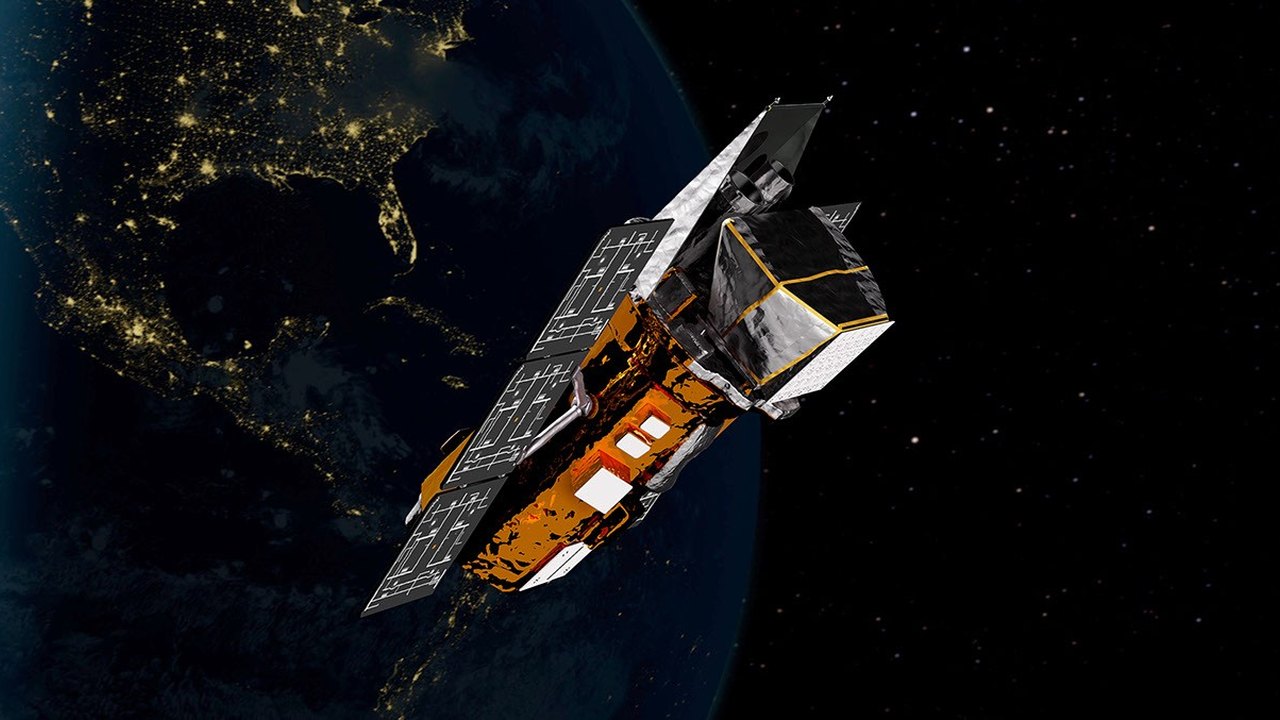 NASA’s Neil Gehrels Swift Observatory Ceases Operations Ahead of Imminent Re-entry
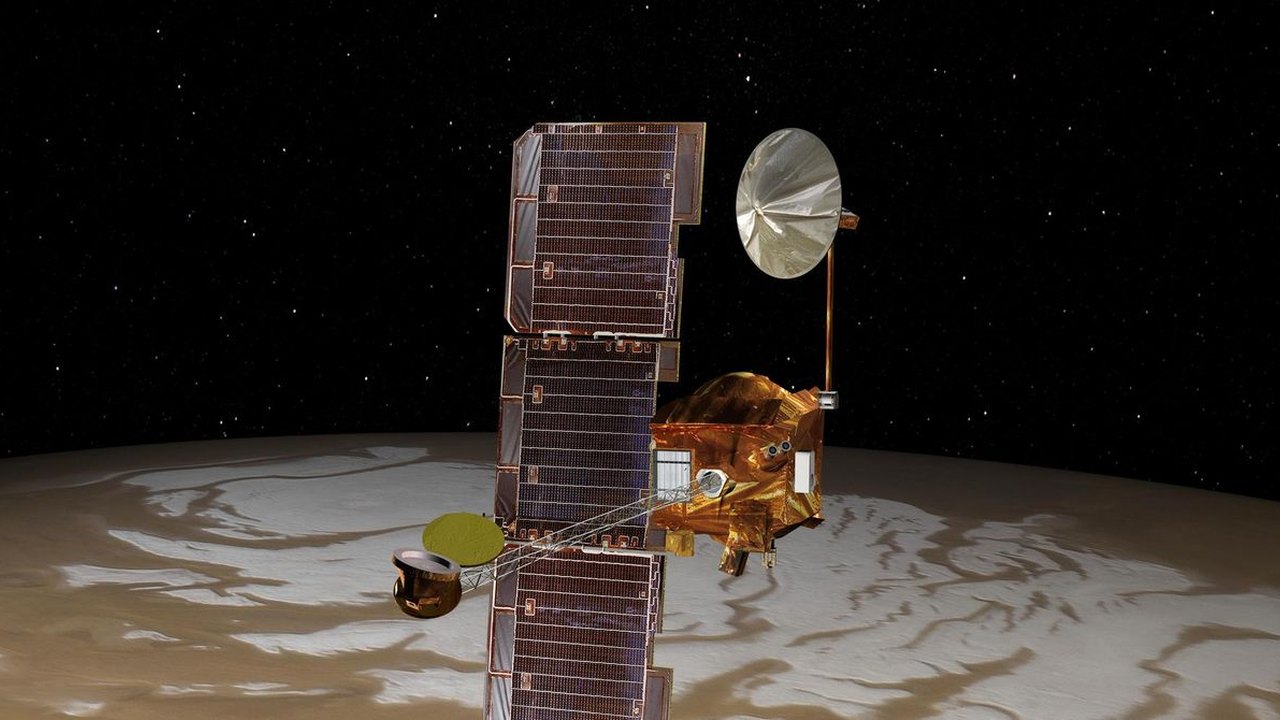 NASA’s Aging Mars Orbiters Defy Expectations Through Engineering and Adaptation
 Apple TV Psychological Thriller Series Nocturne Set to Premiere This Week
Trending on GlobeWire Daily
Selected from recent coverage and related topics; not live search rankings.
 Madhya Pradesh Government Plans Revenue Generation from 117-Year-Old Edward Villa in Mumbai Through Leasing
 iPhone 18 Pro Named TechRadar Product of the Year 2026
 Google Project Suncatcher Runs Gemma 4 AI on Orbiting Satellite and Receives First Response
 Gender Disparities in Eye Care Access Across India Examined
 Satellite Images Show Cyclone Arnab Weakening Over India As New System Brews
 Expanding Green and Blue Spaces Crucial for India's Economic and Public Health, Reports Indicate