James Webb Space Telescope Discovers Earliest Pair of Black Hole-Powered Quasars
· GlobeWire Daily Editorial Desk · Source: www.space.com
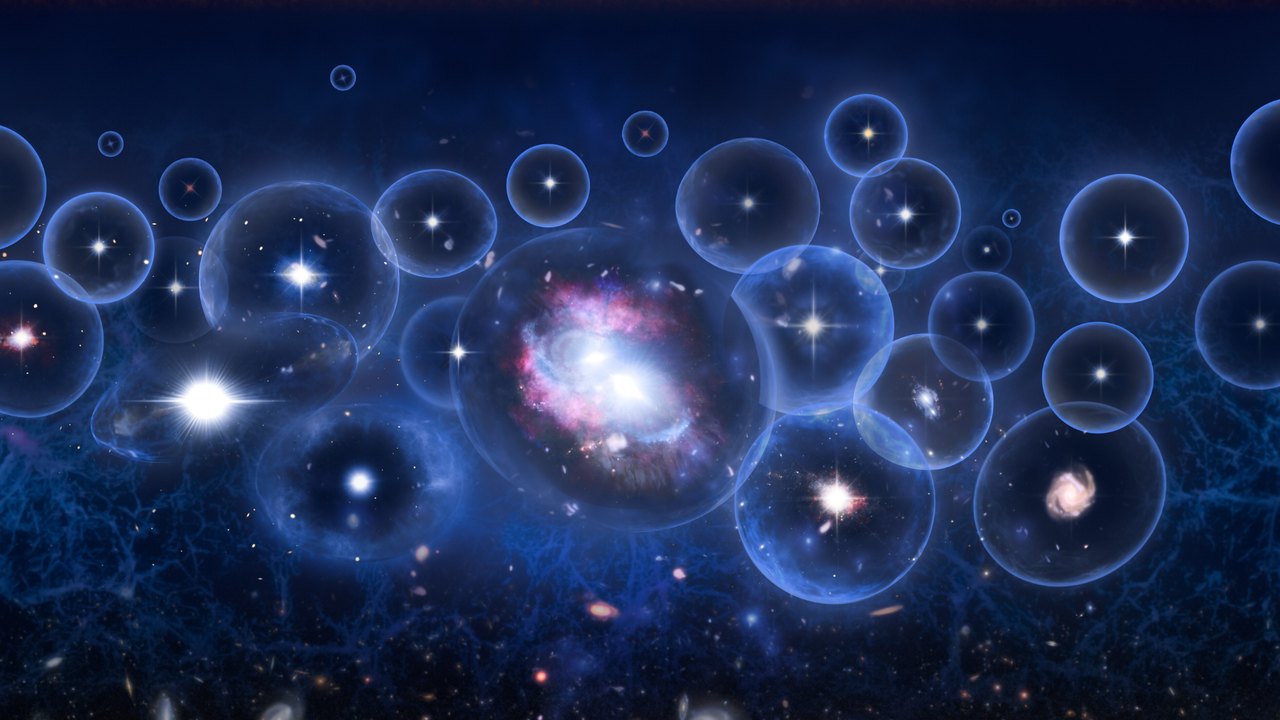
Image: Space · Photo source · Resized and letterboxed to 16:9; no AI generation
Astronomers have reported the discovery of the oldest and most distant pair of supermassive black hole-powered quasars ever seen, designated J1602+4228AB and nicknamed Nāpōwawāʻenakaulua. According to the research team, the system is observed as it appeared 900 million years after the Big Bang during the Cosmic Dawn. The findings were published in The Astrophysical Journal Letters.
Discovery Details
- Telescopes Used: James Webb Space Telescope (JWST) and the Gemini North telescope.
- Designation: J1602+4228AB (Nāpōwawāʻenakaulua).
- Masses: 1.5 billion and 400 million times the mass of the sun.
- Separation: 18,100 light-years between the two supermassive black holes.
Scientific Implications and Challenges
The discovery challenges current astrophysical models. According to existing theories, supermassive black holes require at least one billion years to grow to such immense masses through feeding and merging, yet this pair was observed at an earlier stage in the universe's history. Research team leader Silvia Onorato of NOIRLab stated that there is currently no definitive theoretical explanation for how such giant quasars could exist so early.
Practical Implications and Verification
The data was uncovered through JWST's Aether survey using the NIRSpec instrument and resolved with Gemini North atop Maunakea in Hawai'i. Researchers can review the published study in The Astrophysical Journal Letters to examine the methodology and spectroscopic data.
AI-assisted reporting; source claims are attributed and have not been independently verified.
More to read
 NASA Releases James Webb Space Telescope's First Full-Color Science Images
 NASA's James Webb Space Telescope Reveals Detailed Map of Dark Matter's Influence
 James Webb Space Telescope Detects Ancient Interstellar Ice Around Young Star Beta Pictoris
 NASA's James Webb Space Telescope Captures Star Formation in NGC 7129