NASA APOD Features Venus Showing Glowing Horns During Rare Alignment
· GlobeWire Daily Editorial Desk · Source: science.nasa.gov

Image: NASA Science · Photo source · Resized and letterboxed to 16:9; no AI generation
The National Aeronautics and Space Administration's Astronomy Picture of the Day for October 29, 2026, highlights a striking view of Venus appearing as a glowing crescent with extended tips known as the "horns". According to the published explanation written by a professional astronomer, this phenomenon occurs when Venus is positioned almost directly between the Sun and the Earth, an alignment that takes place approximately once every year and a half.
While this alignment is similar to the monthly alignment of a new Moon, the visual outcome differs significantly. A new Moon appears dark from Earth, whereas the backlit atmosphere of Venus refracts and scatters sunlight. This atmospheric interaction creates a luminous crescent arc that extends beyond 180 degrees, forming the distinct horns observed in the featured image.
Observing the Phenomenon
- Equipment needed: The crescent can typically be viewed using a small telescope or binoculars during twilight conditions.
- Unaided eye observation: The published notes indicate that individuals with exceptionally acute eyesight may be able to spot the crescent without optical aids.
- Historical records: Ancient Babylonian astronomers may have been among the first to document Venus' brightness changes and phases, with similar records also found in other cultures, including the oldest surviving Maya book.
Practical Implications and Verification
Stargazers interested in observing planetary phases can verify upcoming astronomical alignments and visibility windows by consulting official resources such as NASA's Astronomy Picture of the Day archive or standard astronomical observation guides. Observers should exercise caution when viewing celestial objects near the twilight sky or approaching the Sun to protect their eyesight.
AI-assisted reporting; source claims are attributed and have not been independently verified.
More to read
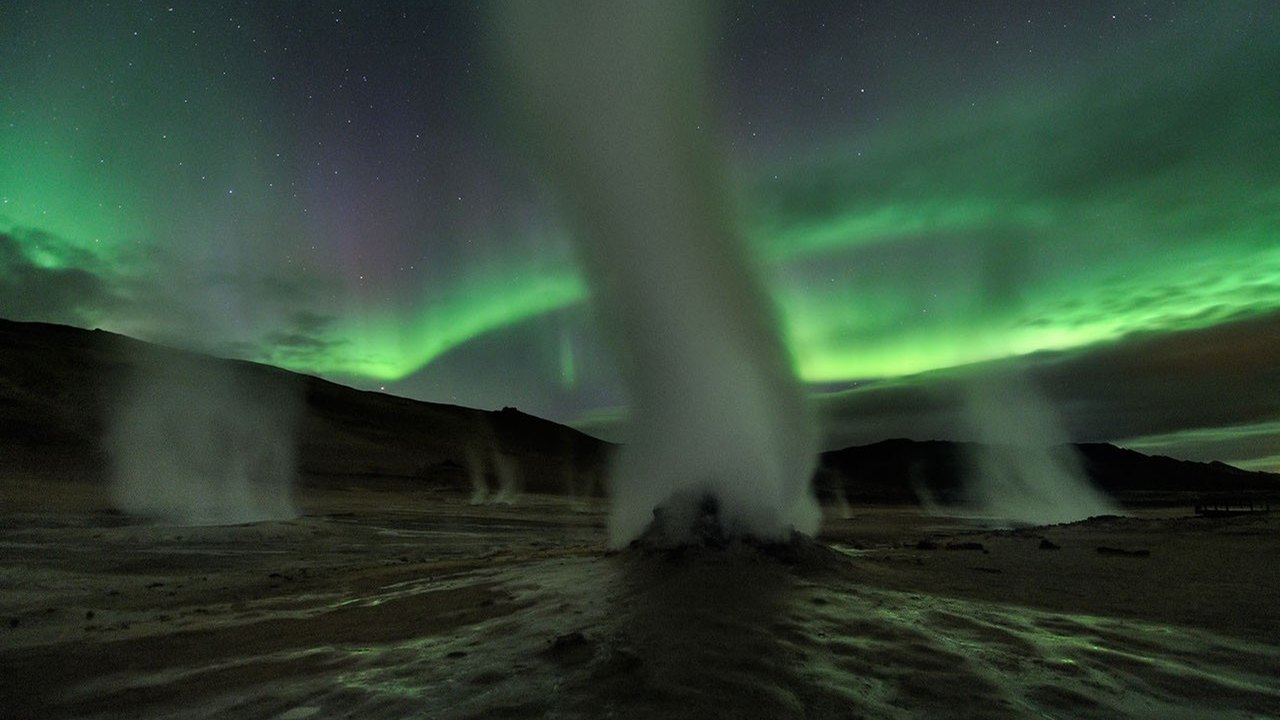 NASA’s APOD Highlights Earth’s ‘Spooky’ Aurora Over Iceland’s Hverir Geothermal Field
 Hundreds Evacuated from Occupied Oleshky During Rare Kherson Ceasefire
 NASA Explores Super Intelligence to Enhance Science Data and Research
 NASA Updates Communications to Incorporate 'Super Intelligence' Following Executive Order
Trending on GlobeWire Daily
Selected from recent coverage and related topics; not live search rankings.
 Madhya Pradesh Government Plans Revenue Generation from 117-Year-Old Edward Villa in Mumbai Through Leasing
 iPhone 18 Pro Named TechRadar Product of the Year 2026
 Google Project Suncatcher Runs Gemma 4 AI on Orbiting Satellite and Receives First Response
 Gender Disparities in Eye Care Access Across India Examined
 Satellite Images Show Cyclone Arnab Weakening Over India As New System Brews
 Expanding Green and Blue Spaces Crucial for India's Economic and Public Health, Reports Indicate