NASA's Dragonfly Completes First Simulated Flight Ahead of Titan Mission
· GlobeWire Daily Editorial Desk · Source: science.nasa.gov
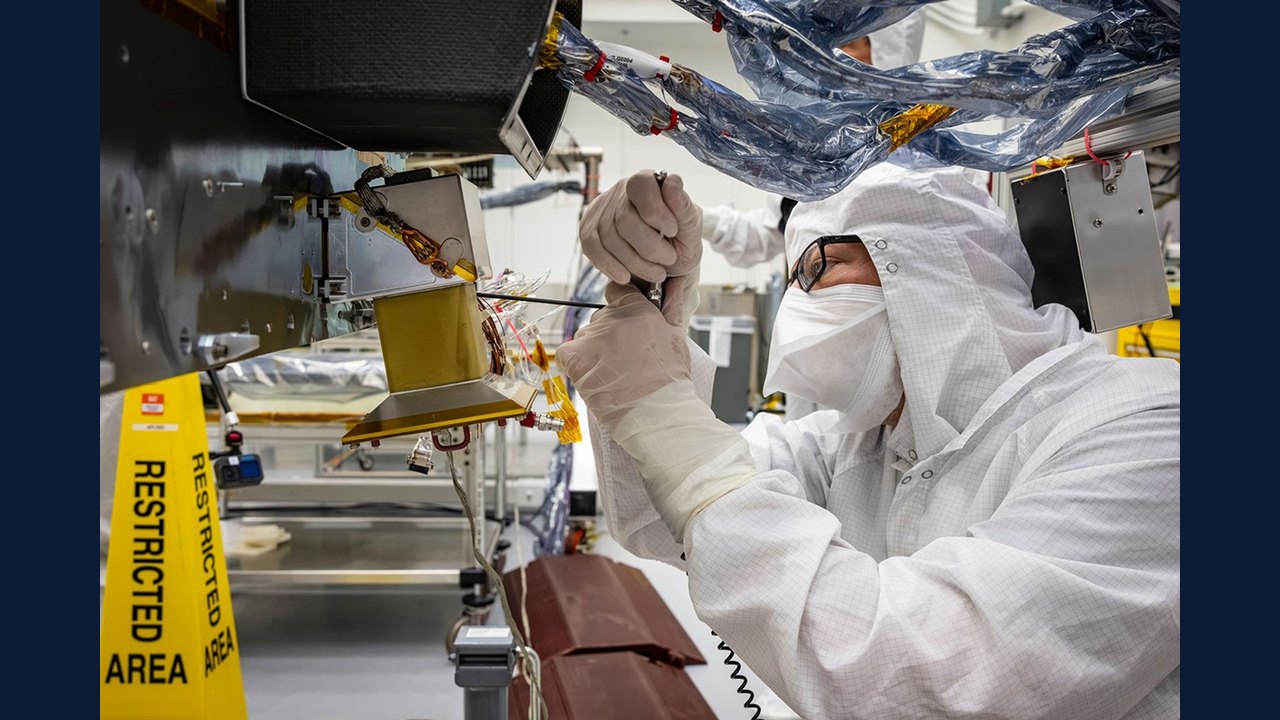
Image: NASA Science · Photo source · Resized and letterboxed to 16:9; no AI generation
NASA's Dragonfly rotorcraft recently completed a comprehensive simulated first flight on a computer testbed at the Johns Hopkins Applied Physics Laboratory (APL) in Laurel, Maryland. While the simulation successfully demonstrated autonomous navigation, hazard detection, and landing site selection over simulated Titan sand dunes, the actual mission is scheduled to launch no earlier than 2028 and arrive at Saturn's moon Titan in 2034.
Milestone Simulation Testing
The recent test represents the most comprehensive real-time simulation of Dragonfly's first flight to date, utilizing flight-like avionics and hardware. Key aspects of the test include:
- Integration of flight software with simulated sensor data, including navigation cameras, inertial measurement units, and lidar.
- Use of a custom camera emulator powered by graphics processing units to render Titan-like scenes in real time.
- Evaluation of how different systems and processes interact on flight-like hardware.
According to Zach Putnam, Dragonfly mobility subsystem lead engineer at APL, the first flight is considered the most challenging maneuver because it utilizes every piece of flight sensor hardware on the lander. The team built up to this milestone incrementally, starting with basic rotor-spinning tests and advancing through short reposition flights before incorporating lidar for terrain assessment.
Additional Testing and Spacecraft Preparation
Beyond software and avionics simulations, engineering teams are conducting mechanical tests to ensure physical systems will perform reliably during the mission's descent phase.
- Pose Mechanism Testing: Engineers at Lockheed Martin in Colorado have been performing static and deployment tests on the pose mechanism, which is designed to lower the rotorcraft from its stowed position inside the entry system's backshell.
- Load and Deployment Checks: Tests verify that the structure can withstand expected loads, lower smoothly, and lock securely into place across various tilt angles.
Practical Implications and Verification
These ongoing tests provide vital validation that Dragonfly's complex hardware and autonomous systems work together before the spacecraft embarks on its nearly billion-mile journey. Future testing will involve running the first flight sequence on the actual flight system, testing additional flight profiles, and introducing simulated faults to evaluate the rotorcraft's autonomous response capabilities.
Readers can verify the original announcement and track mission updates by visiting NASA's official science blogs and news releases.
AI-assisted reporting; source claims are attributed and have not been independently verified.
More to read
 NASA Invites Public to Send Names to Saturn's Moon Titan Aboard Dragonfly
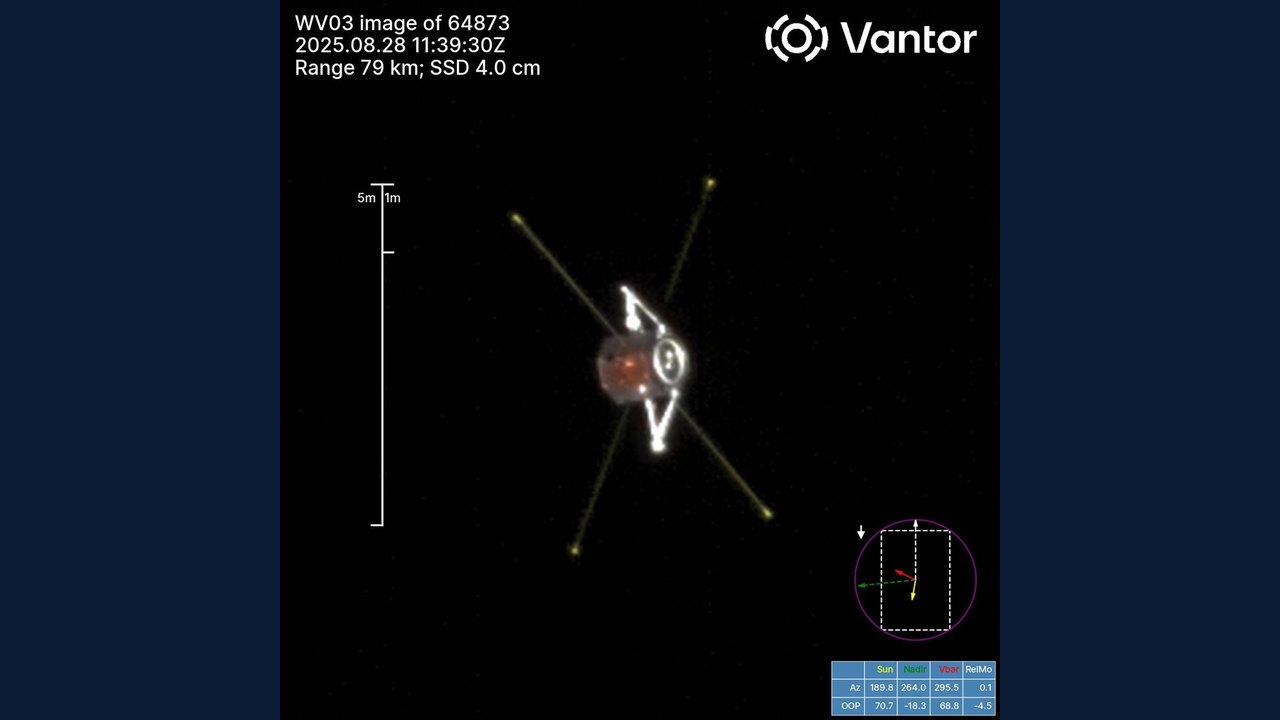 NASA's TRACERS Mission Shares First Results on Violent Magnetic Reconnection Processes
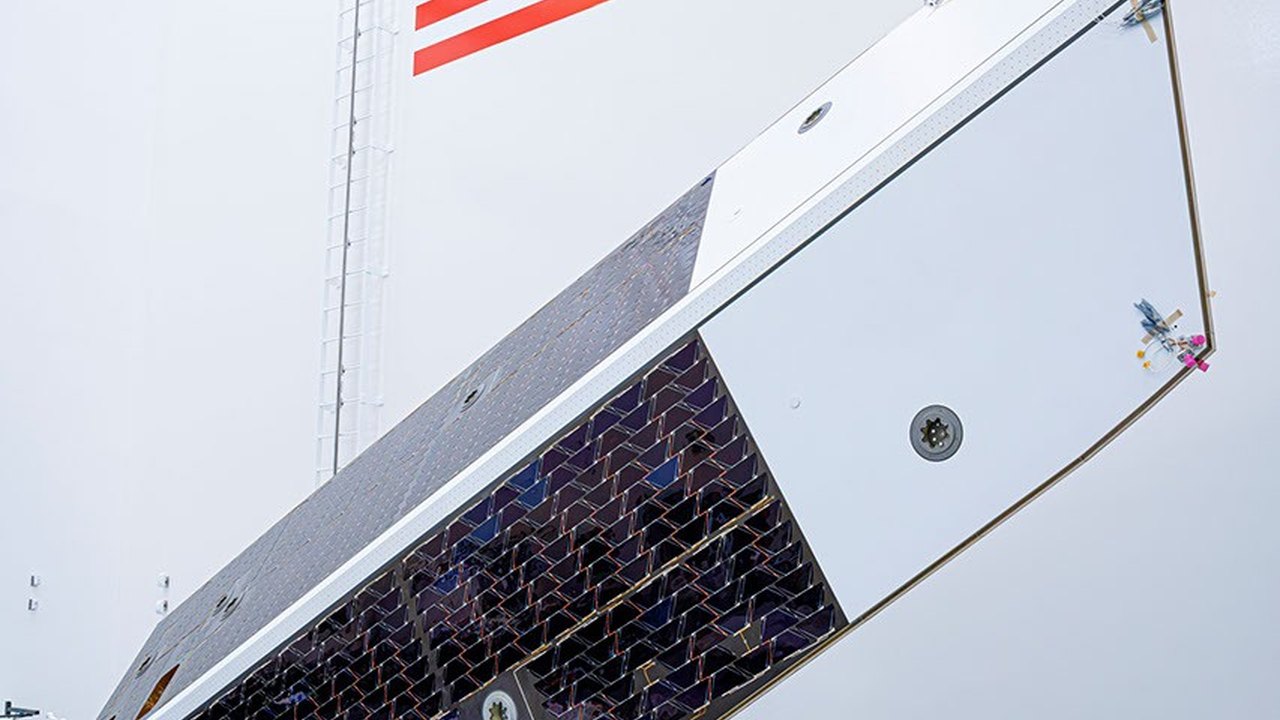 NASA's NEO Surveyor Sunshade Passes Inspection in Colorado Ahead of Asteroid-Hunting Mission
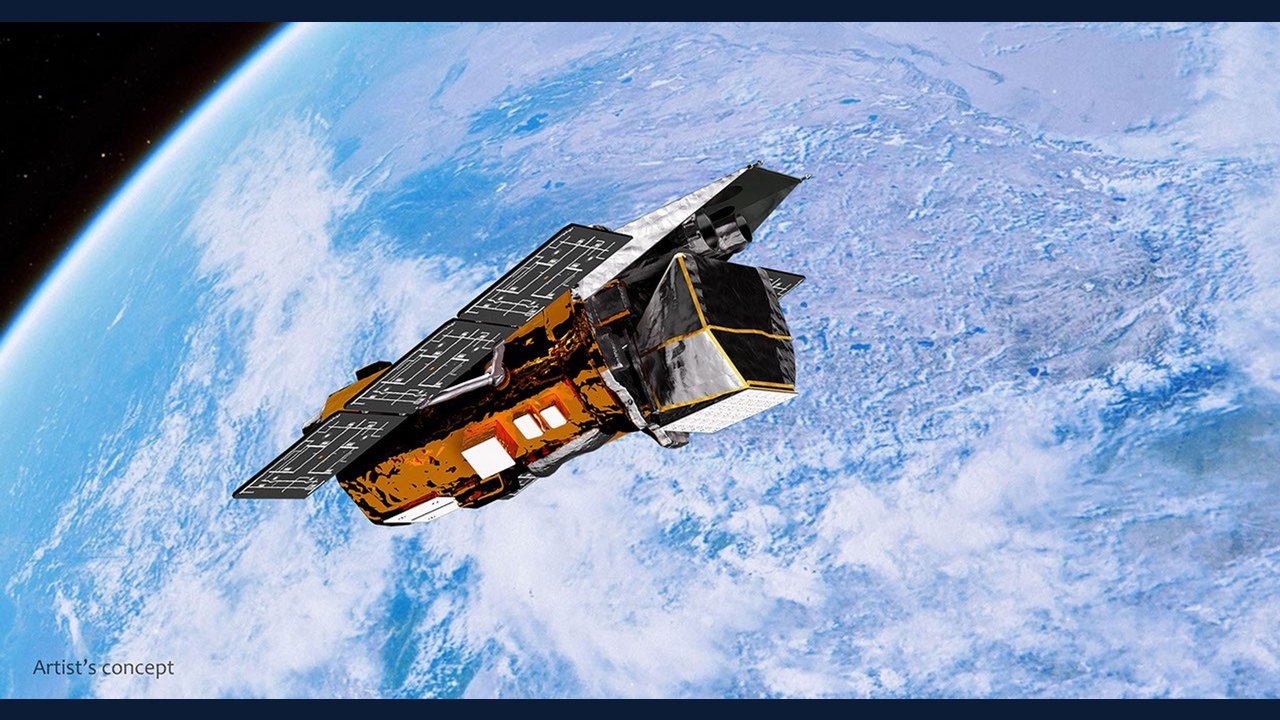 NASA’s Neil Gehrels Swift Observatory Concludes Landmark Science Mission
Trending on GlobeWire Daily
Selected from recent coverage and related topics; not live search rankings.
 Madhya Pradesh Government Plans Revenue Generation from 117-Year-Old Edward Villa in Mumbai Through Leasing
 iPhone 18 Pro Named TechRadar Product of the Year 2026
 Google Project Suncatcher Runs Gemma 4 AI on Orbiting Satellite and Receives First Response
 Gender Disparities in Eye Care Access Across India Examined
 Satellite Images Show Cyclone Arnab Weakening Over India As New System Brews
 Expanding Green and Blue Spaces Crucial for India's Economic and Public Health, Reports Indicate