NASA's TRACERS Mission Shares First Results on Violent Magnetic Reconnection Processes
· GlobeWire Daily Editorial Desk · Source: science.nasa.gov
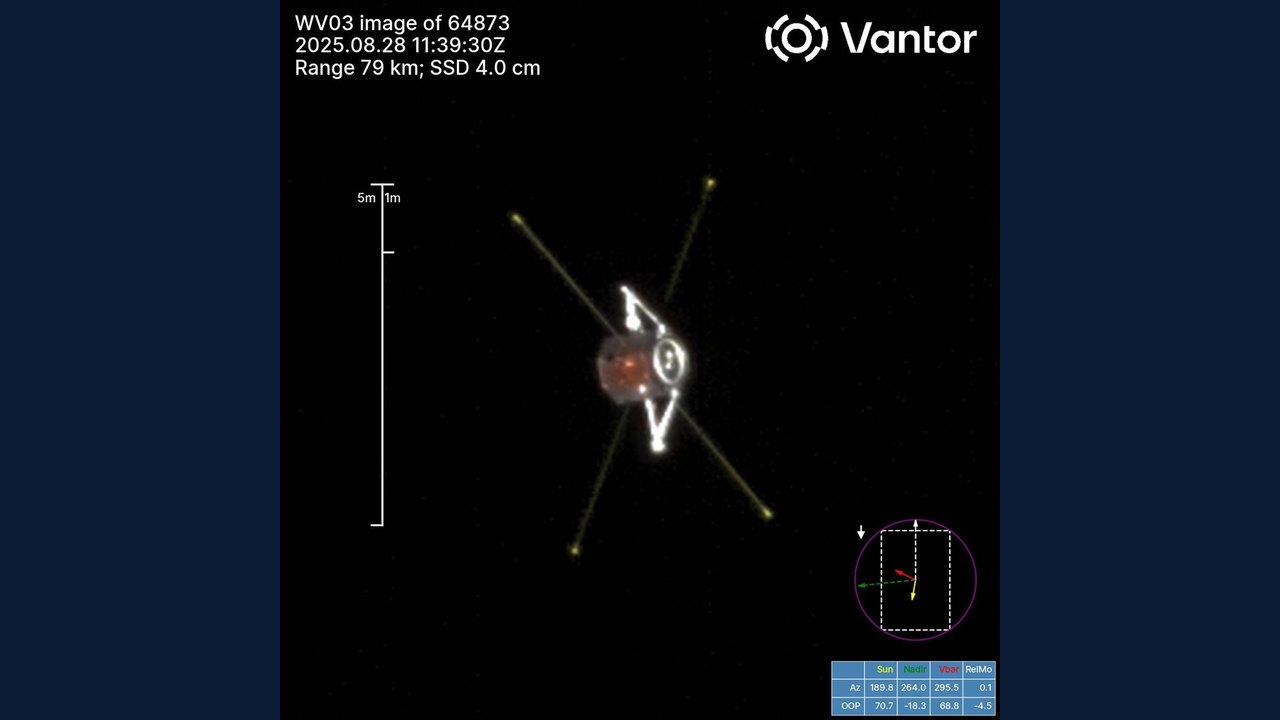
Image: NASA Science · Photo source · Resized and letterboxed to 16:9; no AI generation
NASA’s TRACERS (Tandem Reconnection and Cusp Electrodynamics Reconnaissance Satellites) mission has released its initial findings based on data gathered during its first year in orbit. Researchers reported that the mission's twin spacecraft have provided new insights into how solar wind interacts with Earth’s magnetic field through a process known as magnetic reconnection.
Understanding Magnetic Reconnection
Magnetic reconnection occurs when the Sun’s magnetic field, carried by the solar wind, collides with Earth’s magnetic shield, or magnetosphere. At the boundary known as the magnetopause, energy builds up, causing magnetic field lines to snap and explosively fling particles toward Earth's atmosphere.
Key details from the initial findings include:
- Spatial vs. Temporal Process: Data from the Analyzers for Cusp Ions instruments indicate that magnetic reconnection is largely spatial, meaning the location where it occurs is moving rather than changing significantly over time.
- Orbit and Observations: The twin satellites fly in a Sun-synchronous orbit, repeatedly passing through the polar cusps where Earth’s magnetic field converges over the poles to funnel solar wind particles.
- Mission Extension: Following recovery from an initial post-launch contact setback, NASA approved a prime mission extension in September to continue observations through spring 2027.
Practical Implications and Verification
Studying space weather and magnetic reconnection helps scientists better understand phenomena that can impact communication systems, power grids, and astronaut safety.
Researchers detailed these initial observations in a published paper in the *Journal of Geophysical Research*. Independent verification and further details can be reviewed directly through official NASA announcements and the published scientific literature.
AI-assisted reporting; source claims are attributed and have not been independently verified.
More to read
 NASA's Dragonfly Completes First Simulated Flight Ahead of Titan Mission
 NASA’s Neil Gehrels Swift Observatory Concludes Landmark Science Mission
 NASA Prepares Advanced Sunshade for Upcoming NEO Surveyor Mission
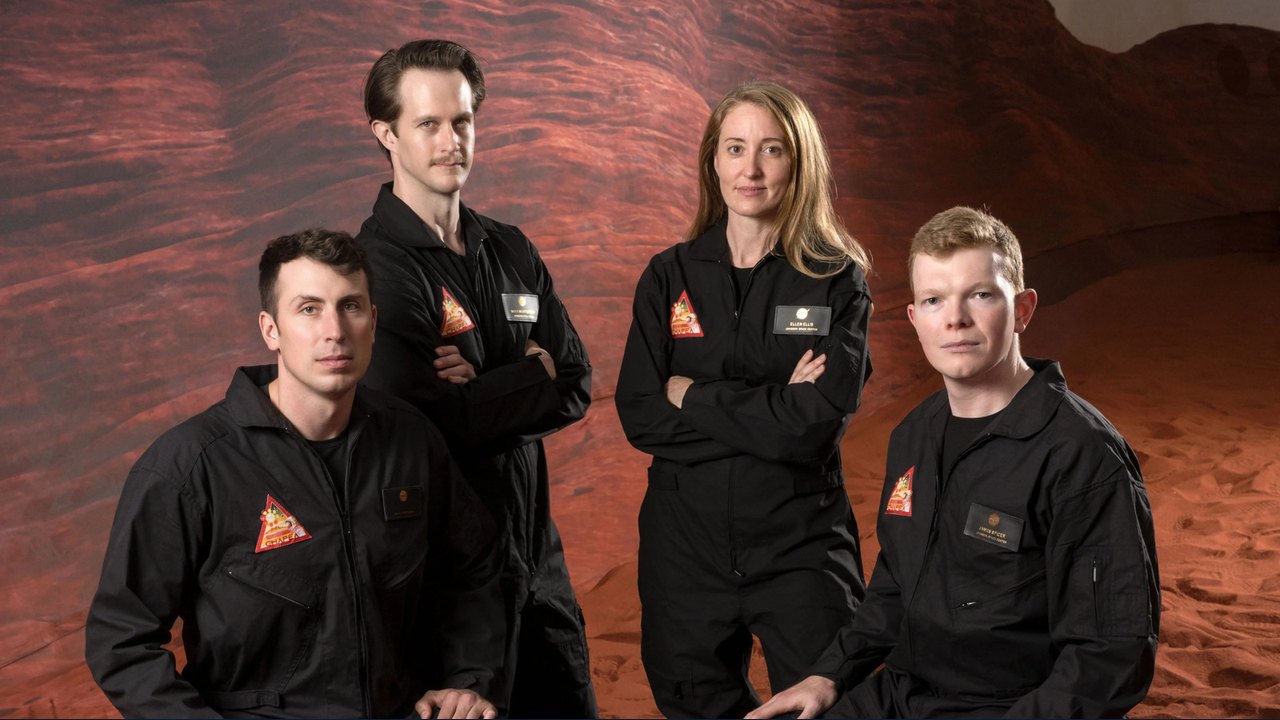 NASA's Second Year-Long Mars Simulation Mission Concludes in Houston
Trending on GlobeWire Daily
Selected from recent coverage and related topics; not live search rankings.
 Madhya Pradesh Government Plans Revenue Generation from 117-Year-Old Edward Villa in Mumbai Through Leasing
 iPhone 18 Pro Named TechRadar Product of the Year 2026
 Google Project Suncatcher Runs Gemma 4 AI on Orbiting Satellite and Receives First Response
 Gender Disparities in Eye Care Access Across India Examined
 Satellite Images Show Cyclone Arnab Weakening Over India As New System Brews
 Expanding Green and Blue Spaces Crucial for India's Economic and Public Health, Reports Indicate