NASA's Psyche Spacecraft Accelerates Toward Metal-Rich Asteroid After Mars Gravity Assist
· GlobeWire Daily Editorial Desk · Source: science.nasa.gov
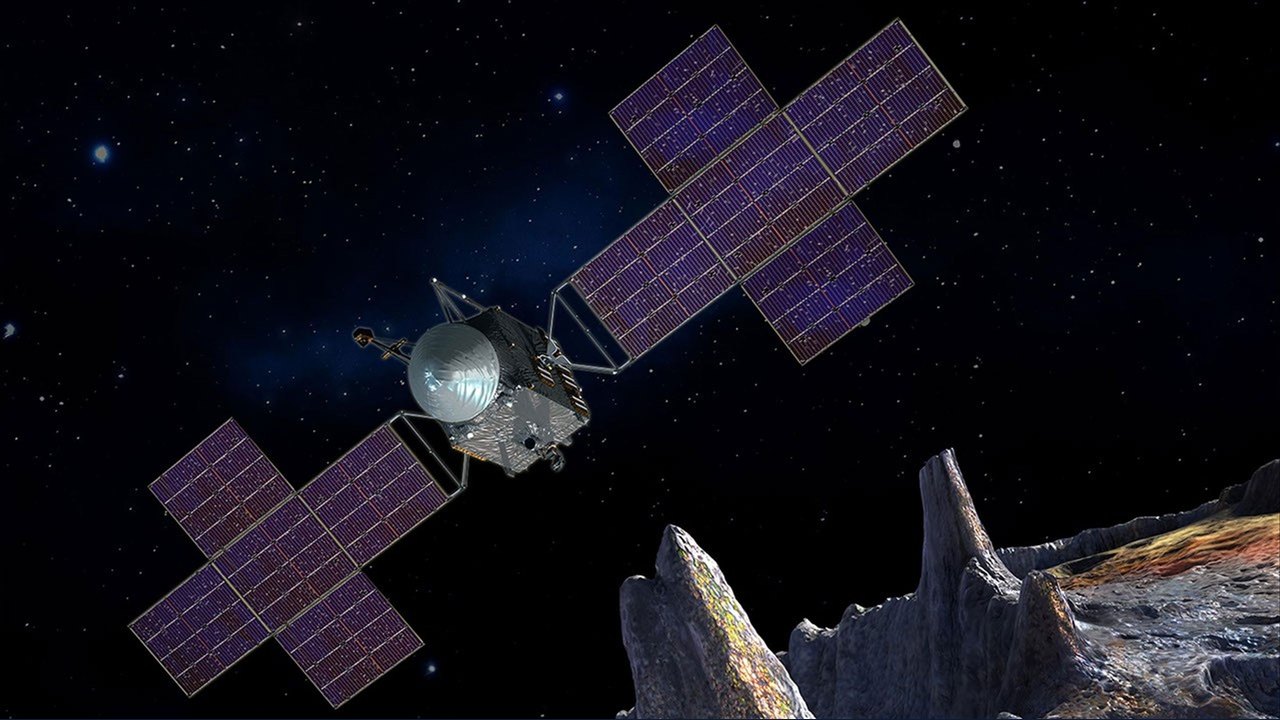
Image: NASA Science · Photo source · Resized and letterboxed to 16:9; no AI generation
Following a successful Mars gravity assist, NASA’s Psyche spacecraft has begun firing its solar electric propulsion system nearly continuously as it journeys toward the metal-rich asteroid Psyche in the main asteroid belt. The mission, which launched in October 2023, is currently on track for a planned arrival in the summer of 2029.
Don Han, the Psyche mission’s navigation lead at NASA’s Jet Propulsion Laboratory (JPL), reported that operations have shifted into a high-intensity cruise phase. The spacecraft is running its propulsion system at every available opportunity, pausing only briefly each week for check-ins with mission controllers on Earth.
Propulsion System and Cruise Mechanics
The spacecraft utilizes a solar-powered Hall-effect thruster system. Instead of conventional chemical fuel bursts, this system uses electromagnetic fields to expel charged xenon gas atoms, generating a gentle thrust accompanied by a distinctive blue glow. Each of the four thrusters operates individually, delivering up to 250 millinewtons of force—comparable to the weight of holding one AA battery.
While the thrust is minimal, continuous operation in the vacuum of space allows the spacecraft to steadily accumulate speed, reaching maximum cruise speeds of more than 100,000 mph (160,900 kph) relative to Earth.
Key operational details include:
- Power Source: Two five-panel, cross-shaped solar arrays covering 800 square feet (75 square meters).
- Fuel Usage: Launched with roughly 2,400 pounds (1,090 kilograms) of xenon, having consumed about one-third of the supply over the first three years.
- Power Scaling: Thrusters will operate at full power for the initial three months before slowly throttling down to half power as the spacecraft moves farther from the Sun.
Managing Torque and Future Science Goals
Operating the Hall-effect thrusters introduces minor engineering challenges. The swirling xenon ions create a slight torque that can interfere with spacecraft orientation. To compensate, reaction wheels absorb excess angular momentum, and engineers periodically command the spacecraft to adjust thruster usage to clear momentum build-up.
Upon arrival in summer 2029, the spacecraft will enter orbit around the approximately 173-mile-wide (280-kilometer-wide) asteroid Psyche. Scientists hypothesize that the asteroid may represent the partial metallic core of an early planetary building block, offering potential insights into the interiors of rocky planets like Earth.
Lindy Elkins-Tanton, principal investigator for the mission at the University of California, Berkeley, noted that the Mars flyby provided a valuable opportunity to calibrate instruments and practice procedures ahead of the planetary encounter.
Practical Implications and Verification
Space enthusiasts and researchers can follow official mission updates, imagery releases, and technical announcements directly through NASA's official website and the JPL Psyche mission portal. All mission timelines and operational statuses remain subject to ongoing telemetry monitoring by mission control.
AI-assisted reporting; source claims are attributed and have not been independently verified.
More to read
 NASA’s $2 B Space Reactor‑1 Freedom: A Long‑Awaited Leap Toward Nuclear‑Powered Mars Missions
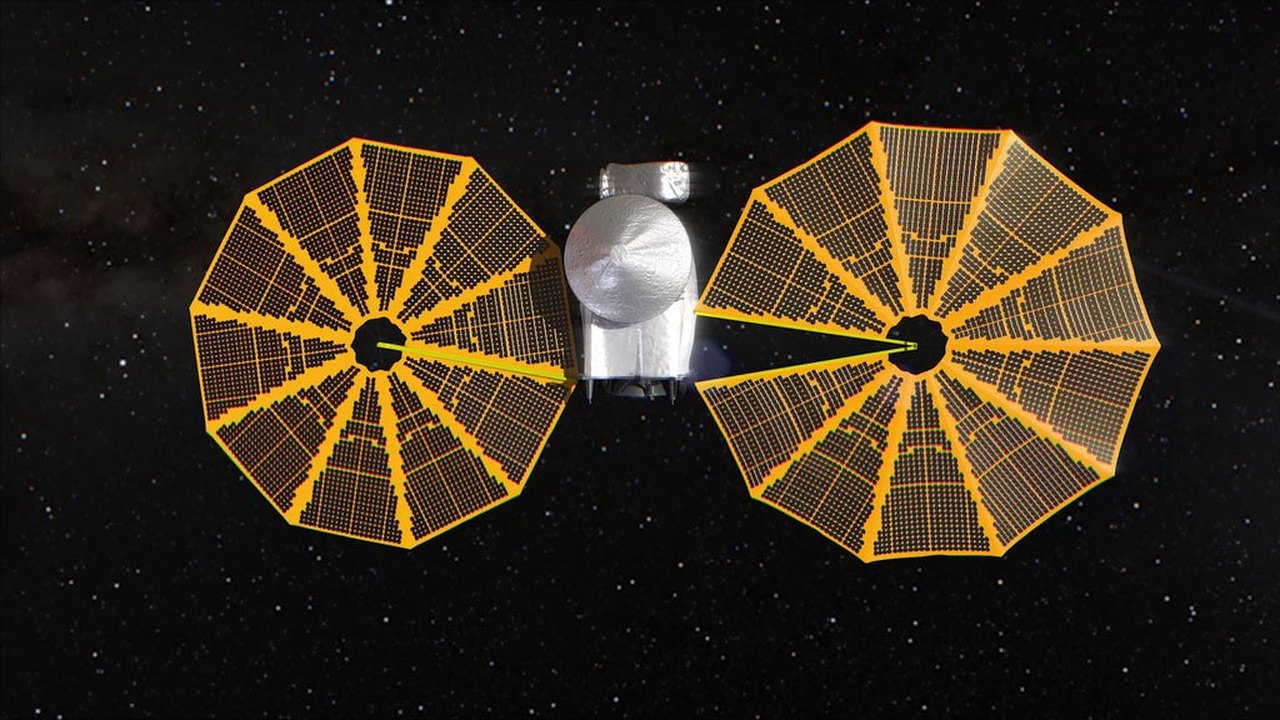 NASA's Lucy Spacecraft Enters Unexplored Jupiter Trojan Asteroid Region
 SpaceX Shifts Focus Away From Traditional NASA Contracts Toward AI and Starship, Raising Questions for US Space Policy
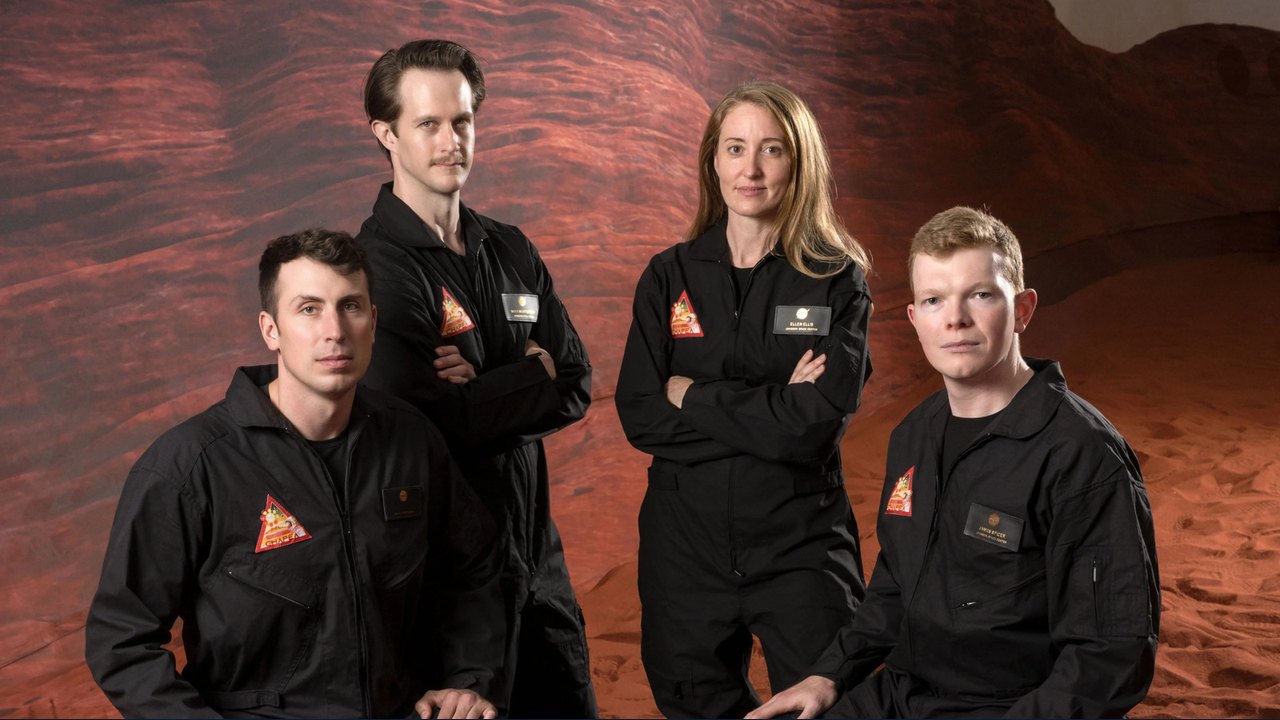 NASA's Second Year-Long Mars Simulation Mission Concludes in Houston
Trending on GlobeWire Daily
Selected from recent coverage and related topics; not live search rankings.
 Madhya Pradesh Government Plans Revenue Generation from 117-Year-Old Edward Villa in Mumbai Through Leasing
 iPhone 18 Pro Named TechRadar Product of the Year 2026
 Google Project Suncatcher Runs Gemma 4 AI on Orbiting Satellite and Receives First Response
 Gender Disparities in Eye Care Access Across India Examined
 Satellite Images Show Cyclone Arnab Weakening Over India As New System Brews
 Expanding Green and Blue Spaces Crucial for India's Economic and Public Health, Reports Indicate