Randy Orton's Tattoos and Their Meanings: Exploring the WWE Star's Body Art, Personal History, and Copyright Disputes
· GlobeWire Daily Sports Desk · Source: timesofindia.indiatimes.com
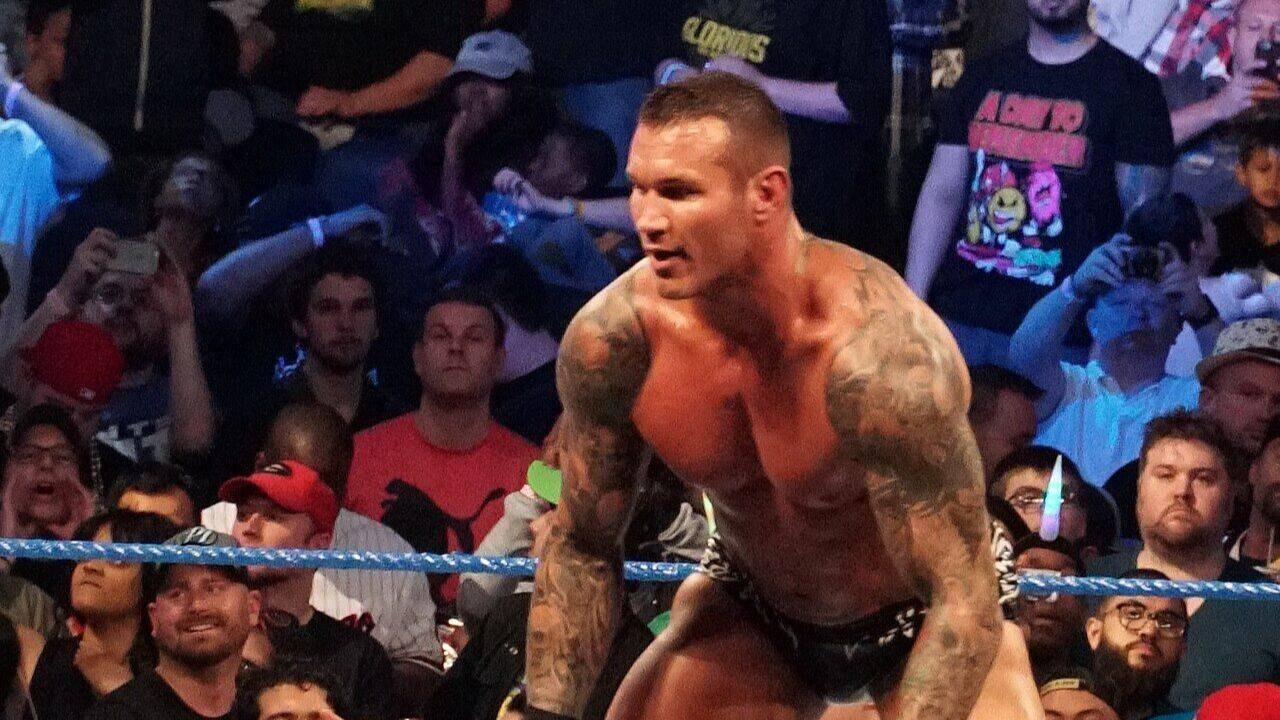
Image: The Times of India · Photo source · Resized and letterboxed to 16:9; no AI generation
Randy Orton has spent over two decades establishing himself as a prominent WWE performer known as The Viper. Alongside his in-ring style and signature RKO, his evolving tattoos have become a central part of his recognizable visual identity, reflecting both his professional persona and personal life.
Reports indicate that Orton's body art encompasses a mix of tribal patterns, family tributes, religious symbols, and personal history. This article examines the background of his tattoos, how they reflect his life and career, and the legal discussions surrounding their reproduction in commercial media.
Evolution of The Viper's Visual Identity
Orton's tattoo collection developed across multiple stages of his career:
- Early Tribal Art: His upper-back tribal design dates back to his developmental wrestling period in Ohio Valley Wrestling.
- Military Background: His history includes a United States Marine Corps tattoo that was later covered up, following a service period that ended with a bad-conduct discharge after going absent without leave.
- Expansion: Over time, additional designs featuring skulls, religious imagery, and personal symbols gradually covered his arms and torso, helping cement his intimidating presentation as The Viper.
Family and Faith in Body Art
Beyond aggressive imagery, several tattoos highlight Orton's personal life:
- Faith: A visible arm tattoo features the Bible verse 1 Peter 5:8, referencing vigilance and an adversary.
- Children: His daughter Alanna's name and birthdate are marked on his arm using Roman numerals, alongside a red and green rose tattoo on his left bicep described as a tribute to her.
- Marriage: The name "Kim" and a heart on his left ring finger honor his wife, Kimberly Kessler, whom he married in 2015, alongside matching lettering on his left rib cage.
Copyright Dispute and Commercial Reproduction
Orton's tattoos also attracted legal attention outside the wrestling ring. Tattoo artist Catherine Alexander, who created several designs on his body between 2003 and 2008, filed a lawsuit arguing that reproducing the tattoos on Orton's likeness in WWE video games infringed her copyrights.
While the dispute involved companies such as WWE and Take-Two Interactive, the case highlighted broader questions regarding intellectual property rights for artwork inked on performers' bodies when reproduced in commercial entertainment and video games.
Readers seeking to verify details of these events can review public legal filings related to the copyright case or official WWE programming archives.
AI-assisted reporting; source claims are attributed and have not been independently verified.
More to read
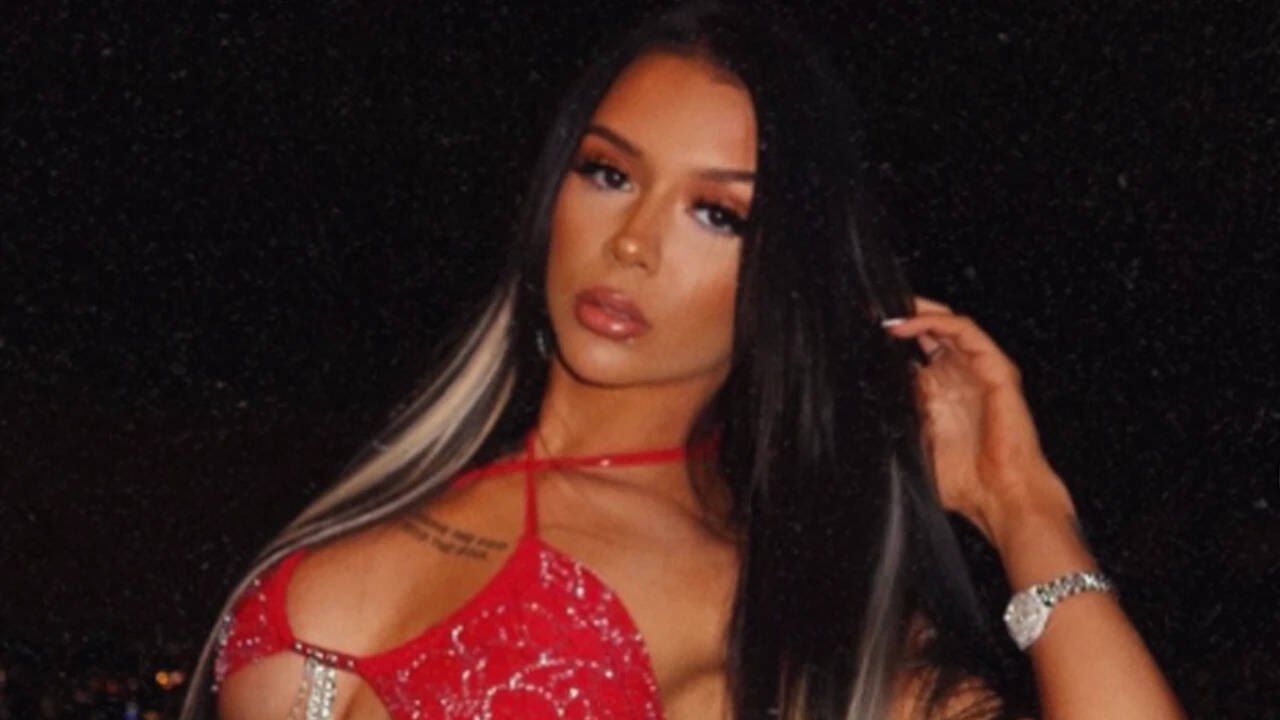 TNA Star Elayna Black Alleges Appearance-Based Bias During WWE Tenure
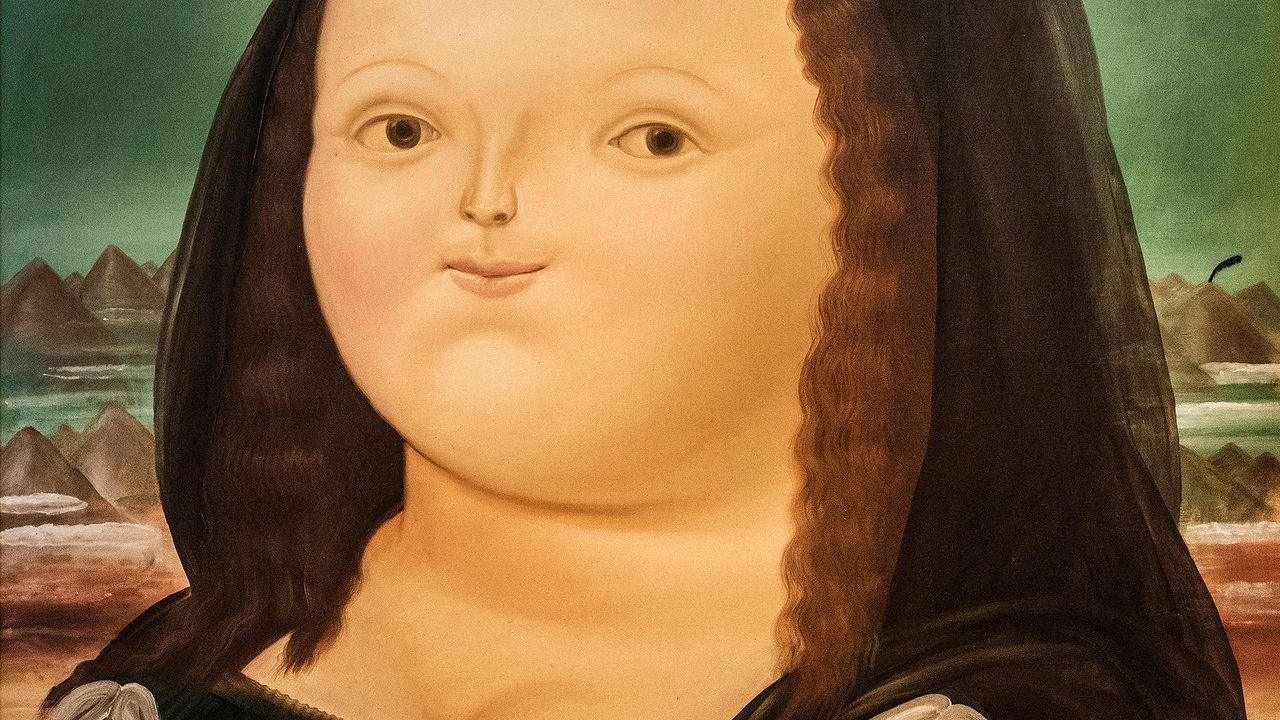 Exploring the Art and Impact of Fernando Botero's Rotund Masterpieces
 A Return to Penang: Exploring Heritage, Family History, and Intergenerational Expectations
 What Happens When a Loved One Donates Their Body to Science
Trending on GlobeWire Daily
Selected from recent coverage and related topics; not live search rankings.
 Madhya Pradesh Government Plans Revenue Generation from 117-Year-Old Edward Villa in Mumbai Through Leasing
 iPhone 18 Pro Named TechRadar Product of the Year 2026
 Google Project Suncatcher Runs Gemma 4 AI on Orbiting Satellite and Receives First Response
 Gender Disparities in Eye Care Access Across India Examined
 Satellite Images Show Cyclone Arnab Weakening Over India As New System Brews
 Expanding Green and Blue Spaces Crucial for India's Economic and Public Health, Reports Indicate