Simpler, cheaper hybrid V8 engines proposed for future Formula 1 rules
· GlobeWire Daily Sports Desk · Source: www.bbc.co.uk
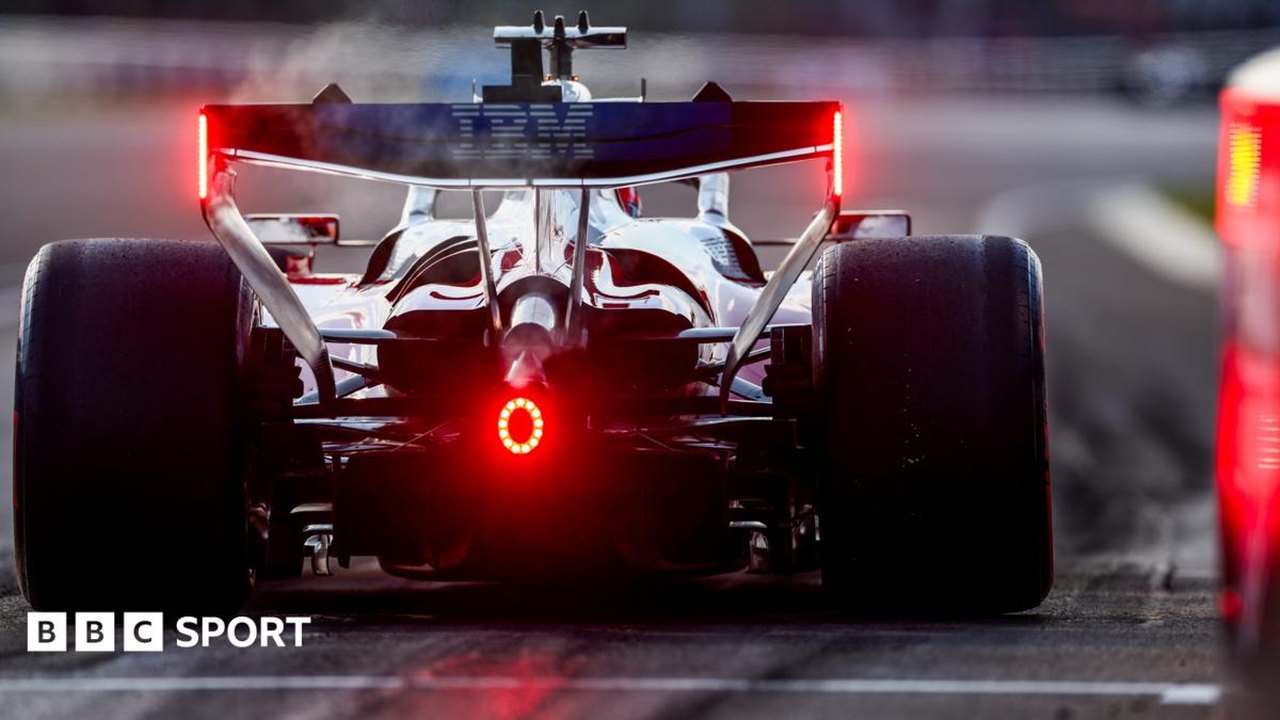
Image: BBC Sport · Photo source · Resized and letterboxed to 16:9; no AI generation
Formula 1 is discussing a potential shift to simpler, less expensive V8 turbo hybrid engines for future rules targeted for either 2030 or 2031, according to a proposal document sent by the FIA to the sport's six car manufacturers. Multiple sources provided the details of the document to BBC Sport following initial one-to-one discussions.
The stated aims of the proposed framework include lighter and more responsive cars, lower costs to ease new manufacturer entries, a greater emphasis on driver skill, and continued commitment to reducing emissions and using fully sustainable fuels. The current F1 power units are 1.6-litre V6 turbos.
Proposed Engine Architecture and Hybrid System
The FIA proposal outlines a V8 engine with a displacement between 2.0 and 2.3 litres, paired with a smaller turbo running at reduced boost pressure and a less powerful hybrid system. Key technical details reported include:
- Recovery Capacity: An electrical motor recovery capacity of 200kW, down from the current 350kW.
- Power Distribution: 100kW (134bhp) available constantly, with an additional 100kW dedicated for a push-to-pass or overtake mode.
- Total Output: An estimated total power output in the region of 900bhp, largely driven by the internal combustion engine.
- Weight Reduction: An ambition to cut 80kg from the overall car weight.
Manufacturer Discussions and Options
Ferrari, Mercedes, Audi, Honda, Red Bull, and Cadillac are the six car manufacturers involved in F1 discussions. While the fundamental framework is reported to be largely acceptable to all manufacturers, specific operational details require further debate.
Two structural options were outlined in the document:
- Minimising adaptation by building a 2.1-litre V8 derived from adding two cylinders to existing 1.6-litre blocks alongside a downsized turbo and MGU-K.
- Having an external manufacturer supply a standardised baseline power unit with customisation options, though insiders indicate manufacturers prefer designing their own proprietary power units.
Discussions also address lowering the engine budget cap by 50% from the current $190m (£143m) level, though timeline specifics regarding whether rules launch in 2030 or 2031 remain linked to workforce management and existing contracts.
Practical Implications and Verification
An FIA spokesperson declined to comment directly on the leaked document, directing inquiries instead to an Instagram post by FIA President Mohammed Ben Sulayem outlining general aims, which did not explicitly mention turbos or hybrids. Ongoing discussions are expected to progress toward a formal proposal for the FIA world council in December. Stakeholders and fans can verify official announcements via the FIA's official media channels and governing body updates.
AI-assisted reporting; source claims are attributed and have not been independently verified.
More to read
 Proposed 2026 Animal‑Testing Rules Ignite Debate Over Safeguards in India
 Tiger Woods and Vanessa Trump Reportedly Consider Long-Term Future Together
 Manchester United Discuss Michael Carrick's Future After Bournemouth Defeat
 Gary Neville and Jamie Carragher Discuss Michael Carrick's Future at Manchester United
Trending on GlobeWire Daily
Selected from recent coverage and related topics; not live search rankings.
 Madhya Pradesh Government Plans Revenue Generation from 117-Year-Old Edward Villa in Mumbai Through Leasing
 iPhone 18 Pro Named TechRadar Product of the Year 2026
 Google Project Suncatcher Runs Gemma 4 AI on Orbiting Satellite and Receives First Response
 Gender Disparities in Eye Care Access Across India Examined
 Satellite Images Show Cyclone Arnab Weakening Over India As New System Brews
 Expanding Green and Blue Spaces Crucial for India's Economic and Public Health, Reports Indicate