ShadowBroker Platform Aggregates Open-Source Global Telemetry Into Unified Mapping Interface
· GlobeWire Daily Editorial Desk · Source: github.com
Image: GitHub · Photo source · Resized and letterboxed to 16:9; no AI generation
Overview of ShadowBroker
ShadowBroker is an open-source decentralized intelligence project designed to aggregate multi-domain open-source intelligence (OSINT) telemetry into a single interactive map interface. The platform combines dozens of public datasets, including aircraft tracking, maritime traffic, satellite orbits, seismic activity, and geopolitical news feeds, into a cohesive operational view.
Core Architecture and Features
Built using Next.js, MapLibre GL, FastAPI, and Python, the software operates via self-hosted deployments without built-in analytics or tracking accounts. Key capabilities include:
- Multi-Domain Tracking: Visualizes commercial and military flights, marine vessels via AIS, orbital satellites, and land transit.
- Reconnaissance Toolkit: Provides server-side tools for IP geolocation, DNS lookups, WHOIS data, and certificate transparency checks with Server-Side Request Forgery (SSRF) protections.
- Agent Integration: Features an HMAC-signed command channel allowing external AI agents, such as OpenClaw implementations, to query telemetry and interact with map data.
- Experimental Testnet (InfoNet): Includes an experimental communication mesh utilizing Tor and Reticulum for obfuscated message relay and decentralized governance simulations.
Practical Implications and Verification
Because the platform relies entirely on public data feeds and self-hosted environments, operators retain control over external API keys and data sources. Users interested in verifying the software's functionality can review the complete source code repositories available on GitHub or deploy containers locally using Docker or Helm charts. Operators must note that experimental features like InfoNet are currently unverified and intended for testnet environments rather than private communications.
To confirm official updates or inspect the security model, users should consult the official repository documentation and verify container release digests directly through project-maintained verification guidelines.
AI-assisted reporting; source claims are attributed and have not been independently verified.
More to read
 Cindy Open-Source AI Agent Platform: Features, Multi-Device Capabilities and Licensing Overview
 Open Source Community Launches New Home for Papers with Code
 Ovis: Open-Source Client Brings Coding Agents to Browsers and Mobile Devices
 OpenBot Launches Open‑Source, Self‑Hosted AI Coworkers with Full Browser Access
Trending on GlobeWire Daily
Selected from recent coverage and related topics; not live search rankings.
 A Guide to Understanding UK Housing and Local Authority ServicesOpen Source Community Launches New Home for Papers with Code
 Higgsfield AI Launches Markdown-Based Skill Set for Visual Brand Agents
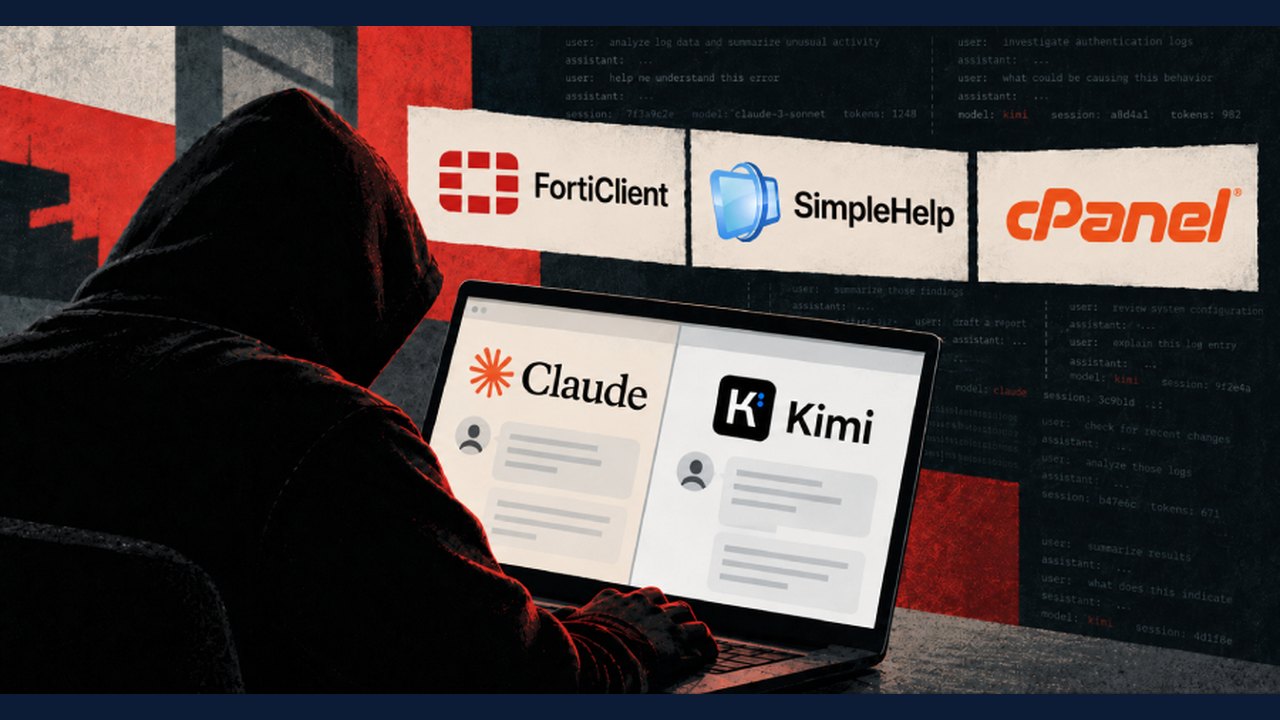 Ransomware Affiliates Deploy AI Agents in 'Phantom' Framework to Automate Intrusions, Researchers Find
 nodeterm Introduces Spatial Terminal Manager for AI Coding Agents Across Desktop, Browser, and Mobile
 Open‑source toolkit offers evidence‑based steps to recover DSM ransomware‑encrypted data