Bennu and 1969 Meteorite Samples Point to Different Birthplaces for Amino Acids
· GlobeWire Daily Science Desk · Source: timesofindia.indiatimes.com
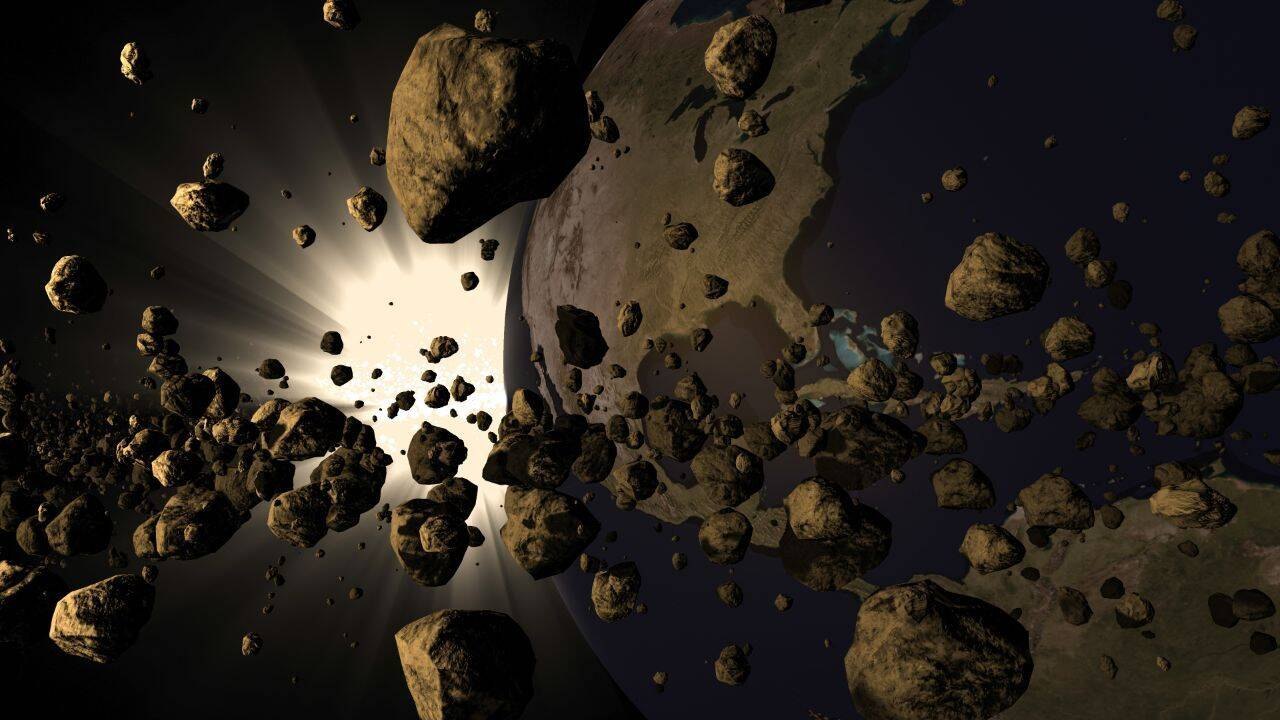
Image: The Times of India · Photo source · Resized and letterboxed to 16:9; no AI generation
Researchers comparing amino acids from asteroid Bennu and the 1969 Murchison meteorite have found distinct isotopic differences, suggesting these extraterrestrial materials formed in separate regions of the early solar system. ## Comparing Space Samples Researchers analyzed samples returned by NASA's OSIRIS-REx spacecraft, which delivered material from asteroid Bennu to Earth in September 2023. These samples were compared against fragments of the Murchison meteorite that fell in Australia in 1969. Both contain organic compounds and amino acids, specifically examining a molecule known as beta-alanine. ## Understanding Atomic Fingerprints Scientists measure isotopes—atoms of the same element with different masses due to neutron counts—to uncover clues about where molecules originated. Instead of just calculating an average, researchers examined carbon isotopes at different positions within the beta-alanine molecule and measured nitrogen isotopes. ## Key Findings and Implications While average carbon isotope values appeared similar, positional analysis revealed substantial differences, alongside differing nitrogen isotope measurements. This indicates that despite shared chemical pathways, the Bennu and Murchison samples likely originated in distinct chemical reservoirs with different environmental conditions in the early solar system. Furthermore, asteroid samples like Bennu provide pristine material that has not been exposed to Earth's moisture and microorganisms, unlike fallen meteorites.
AI-assisted reporting; source claims are attributed and have not been independently verified.
More to read
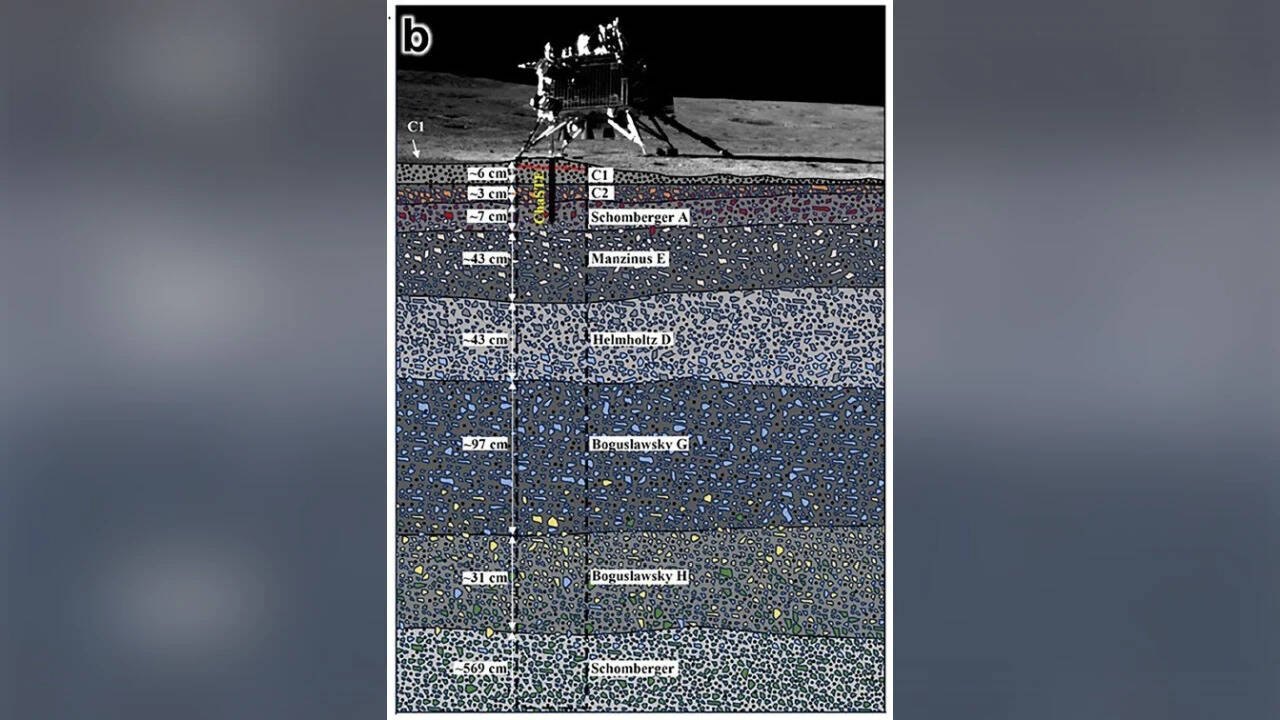 Chandrayaan-3 Data Reveals Three Distinct Layers in Lunar Soil at Shiv Shakti Point
 Scientists Discover New Rock Type and First Garnet in Martian Meteorite, Origin Unconfirmed
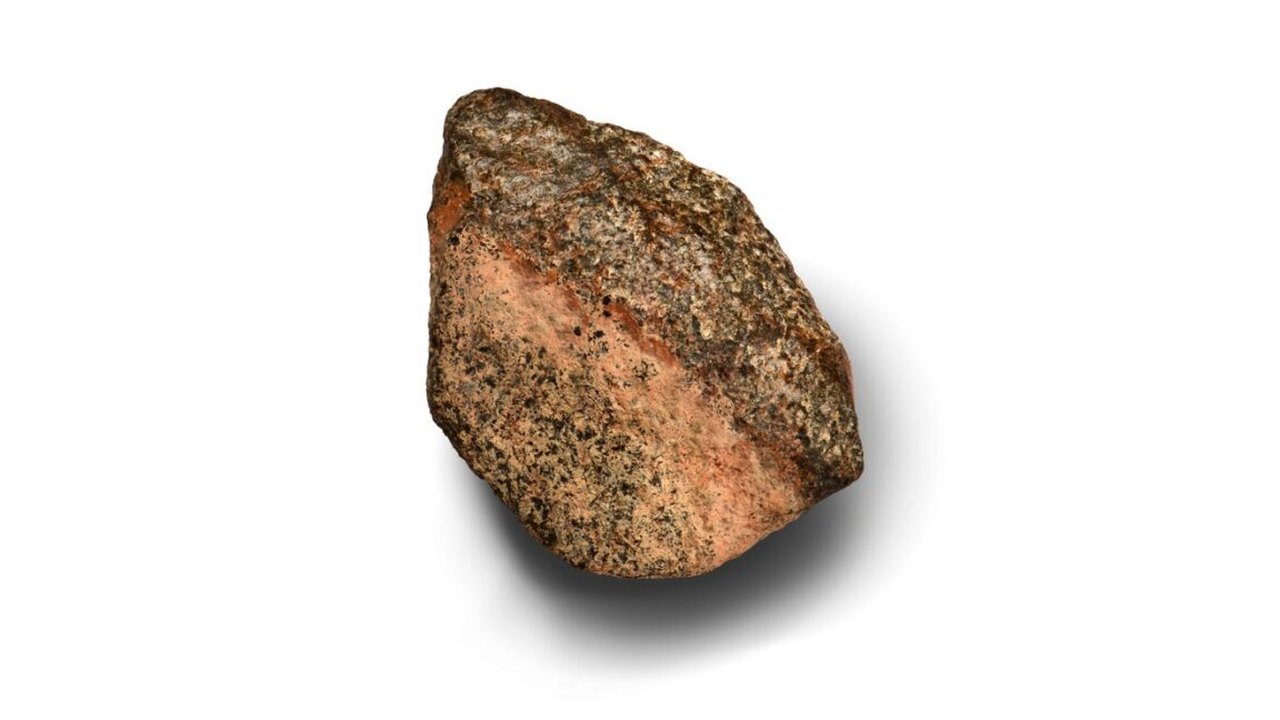 Rare Meteorite Offers Window into Ancient Martian Crust and Hydrosphere
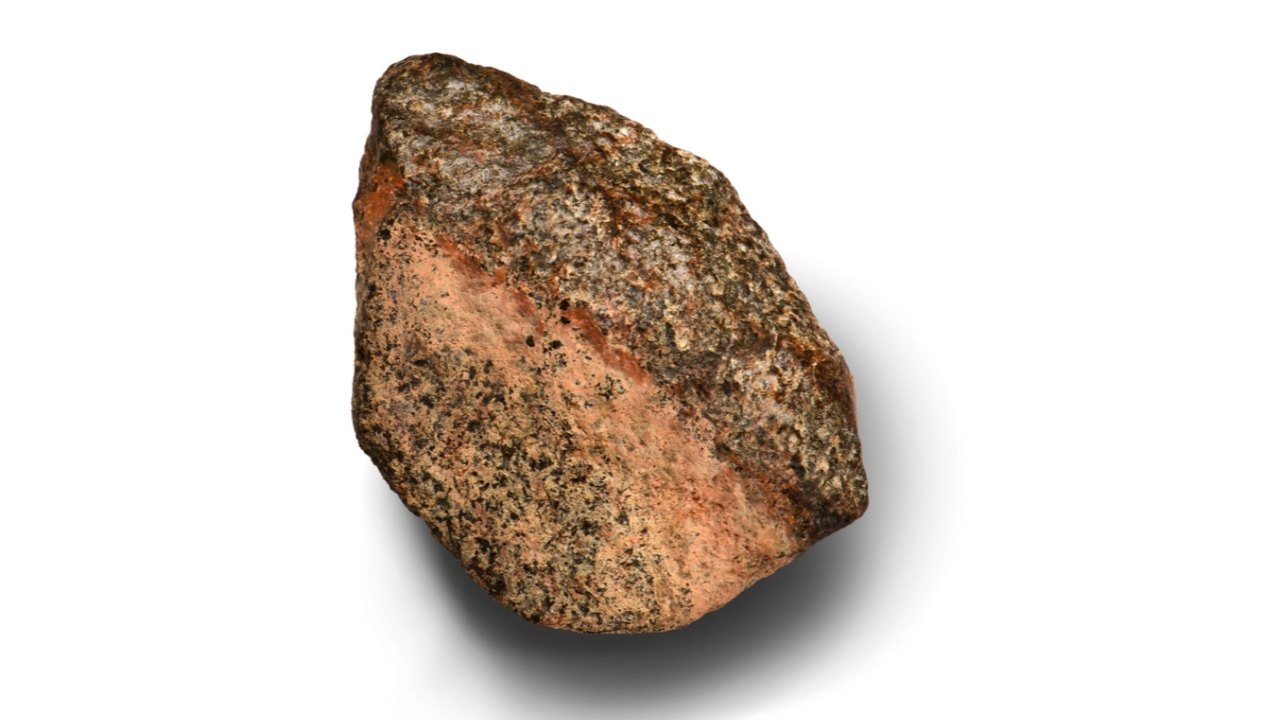 4.1-Billion-Year-Old Martian Meteorite Found in Sahara Desert Offers Clues to Ancient Water