Researchers Claim to Find Wood Material at Turkey Site Linked to Noah's Ark
· GlobeWire Daily Science Desk · Source: timesofindia.indiatimes.com
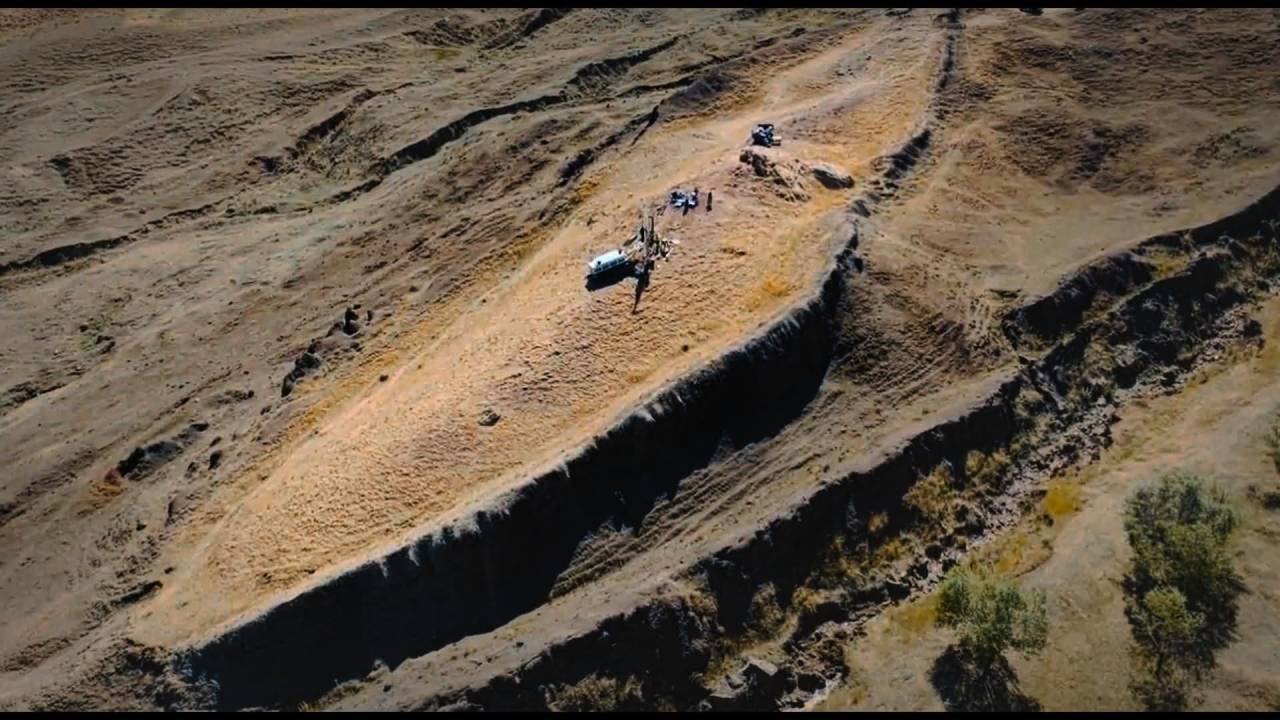
Image: The Times of India · Photo source · Resized and letterboxed to 16:9; no AI generation
Researchers investigating the Durupinar Formation in eastern Turkey report finding wood-like material nearly 30 feet underground, reviving discussion about the site's possible connection to the biblical story of Noah's Ark. However, experts emphasize that the findings do not establish the structure as the legendary vessel.
The Durupinar Formation and Recent Claims
The Durupinar Formation, located near Mount Ararat and measuring roughly 538 feet long, has drawn attention from investigators since 1959 due to its distinctive shape. Andrew Jones, leader of the Noah's Ark Scans project, reported to media outlets that his team uncovered both charred and uncharred material deep beneath the surface during recent investigations.
Jones suggested that the charred material might relate to the biblical account, while also acknowledging alternative possibilities, such as a campfire lit by a shepherd. The team has not yet determined the origin, age, or cause of the burning, noting that natural events like lightning or volcanic activity could also be responsible.
Radar Scans and Soil Analysis
The research team previously reported using ground-penetrating radar to identify underground features they interpret as chambers and passageways. Additionally, soil samples from inside the formation showed higher levels of organic matter and potassium compared to surrounding areas. Jones argues these results could align with the presence of decayed wood, though soil composition can be influenced by various natural geological factors.
Next Steps and Verification
The claims remain hypotheses rather than confirmed proof. Establishing the site's true nature will require comprehensive peer-reviewed analysis, independent archaeological verification, and further laboratory testing of soil and material samples. Readers seeking to verify these claims can monitor academic archaeology journals and independent geological reports regarding the Durupinar Formation.
AI-assisted reporting; source claims are attributed and have not been independently verified.
More to read
 Ransomware Affiliates Deploy AI Agents in 'Phantom' Framework to Automate Intrusions, Researchers Find
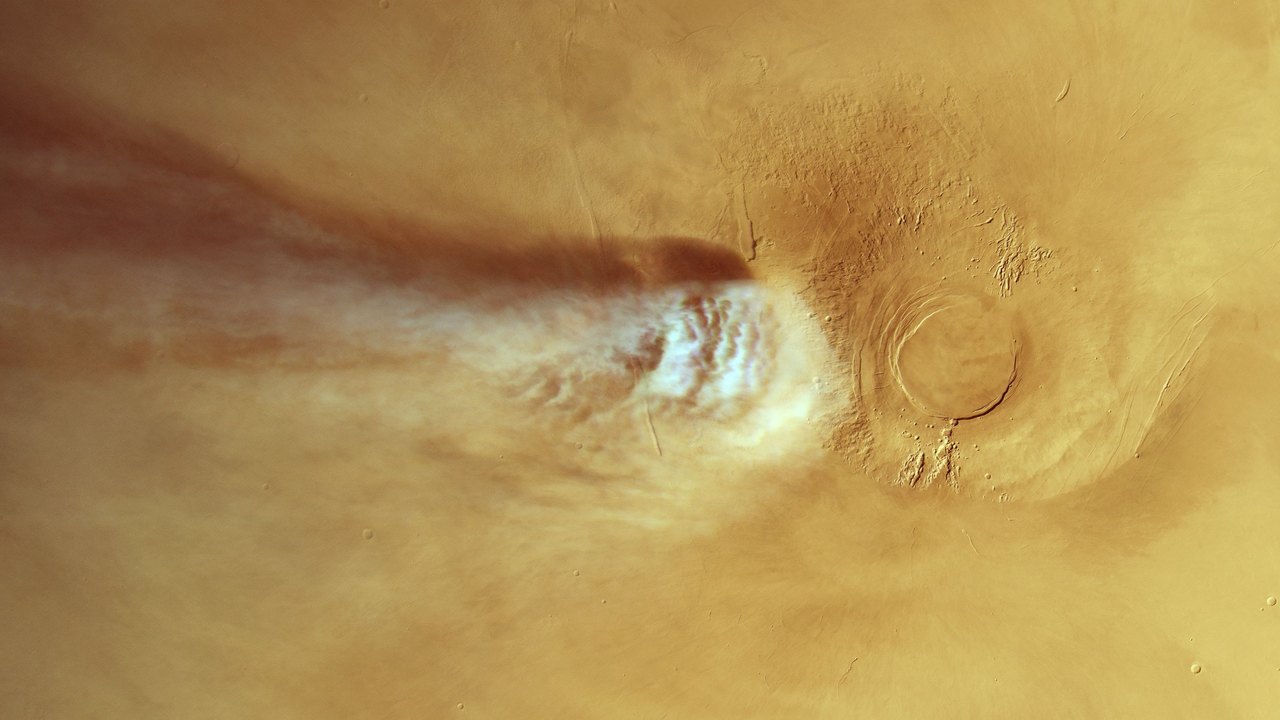 Researchers Model the Mysterious 1,000-Mile Cloud on Mars
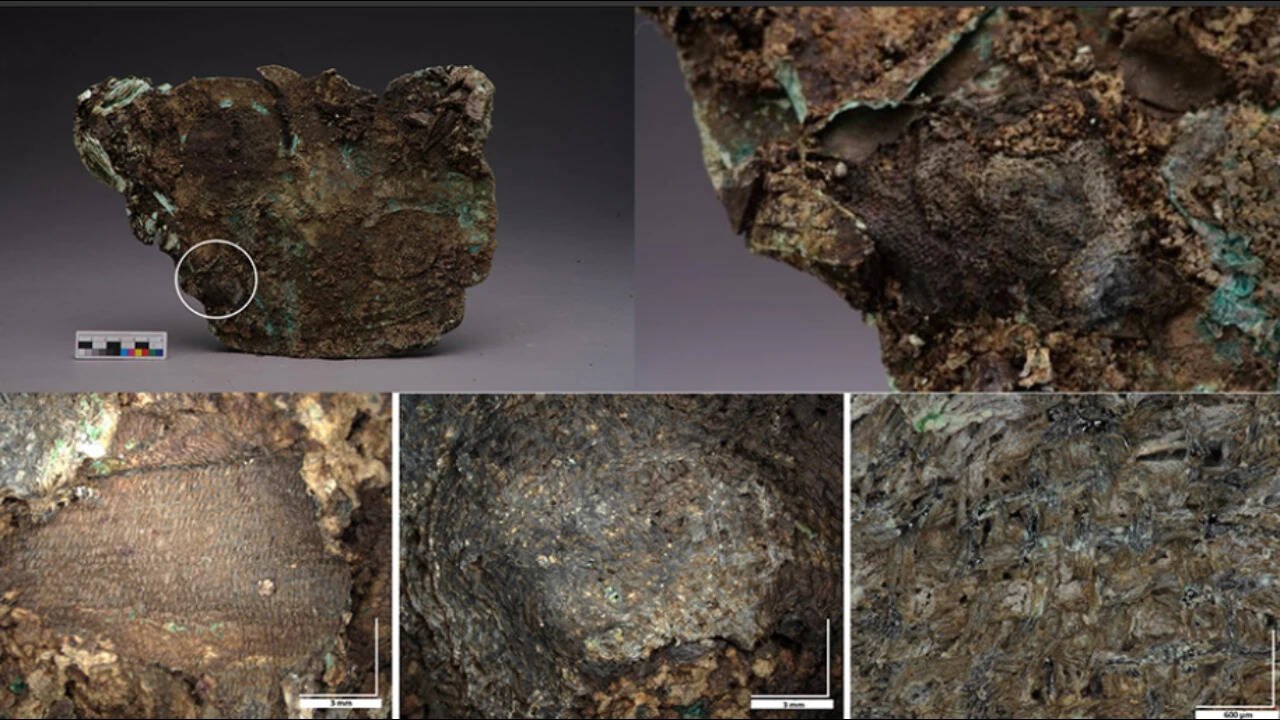 Scientists Find Silk Traces on 101 Ancient Chinese Ritual Objects Dating Back 3,000 Years
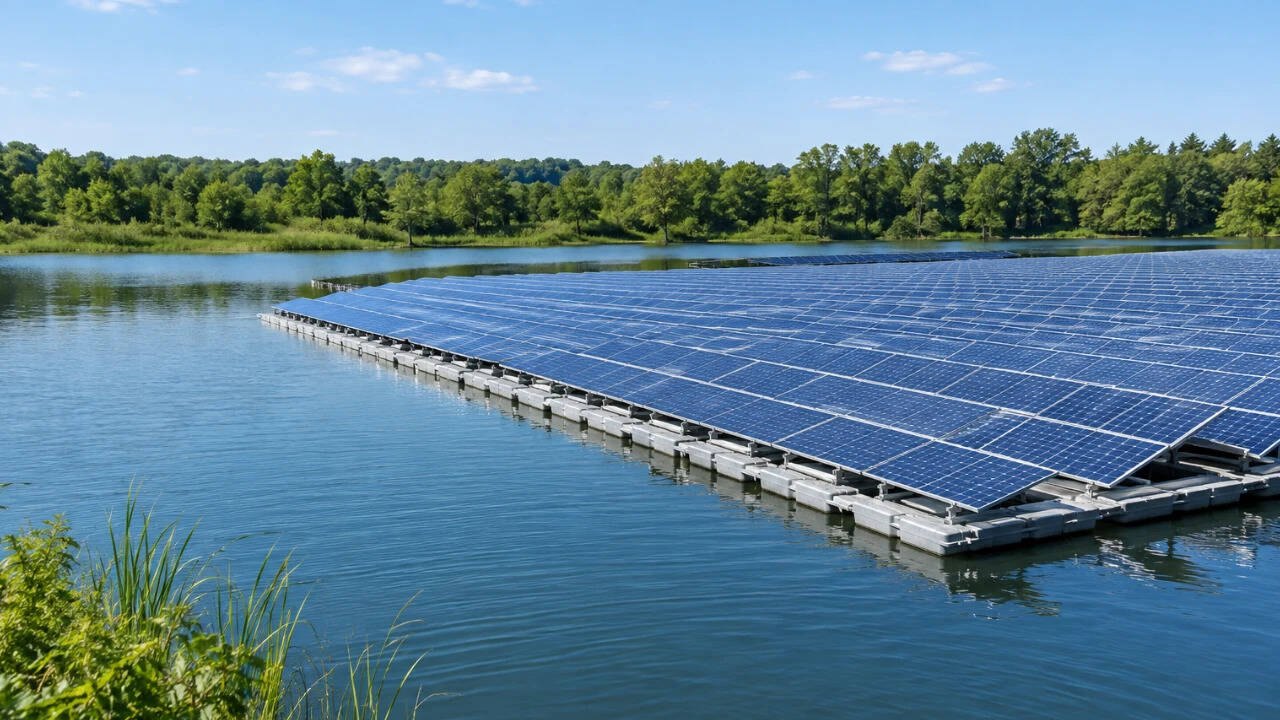 Study Finds Floating Solar Panels on New York Ponds Linked to Higher Greenhouse Gas Emissions
Trending on GlobeWire Daily
Selected from recent coverage and related topics; not live search rankings.
 Madhya Pradesh Government Plans Revenue Generation from 117-Year-Old Edward Villa in Mumbai Through Leasing
 iPhone 18 Pro Named TechRadar Product of the Year 2026
 Google Project Suncatcher Runs Gemma 4 AI on Orbiting Satellite and Receives First Response
 Gender Disparities in Eye Care Access Across India Examined
 Satellite Images Show Cyclone Arnab Weakening Over India As New System Brews
 Expanding Green and Blue Spaces Crucial for India's Economic and Public Health, Reports Indicate