Voyager 1's Historic Journey Nears One Light-Day Milestone Nearly 50 Years After Launch
· GlobeWire Daily Science Desk · Source: timesofindia.indiatimes.com
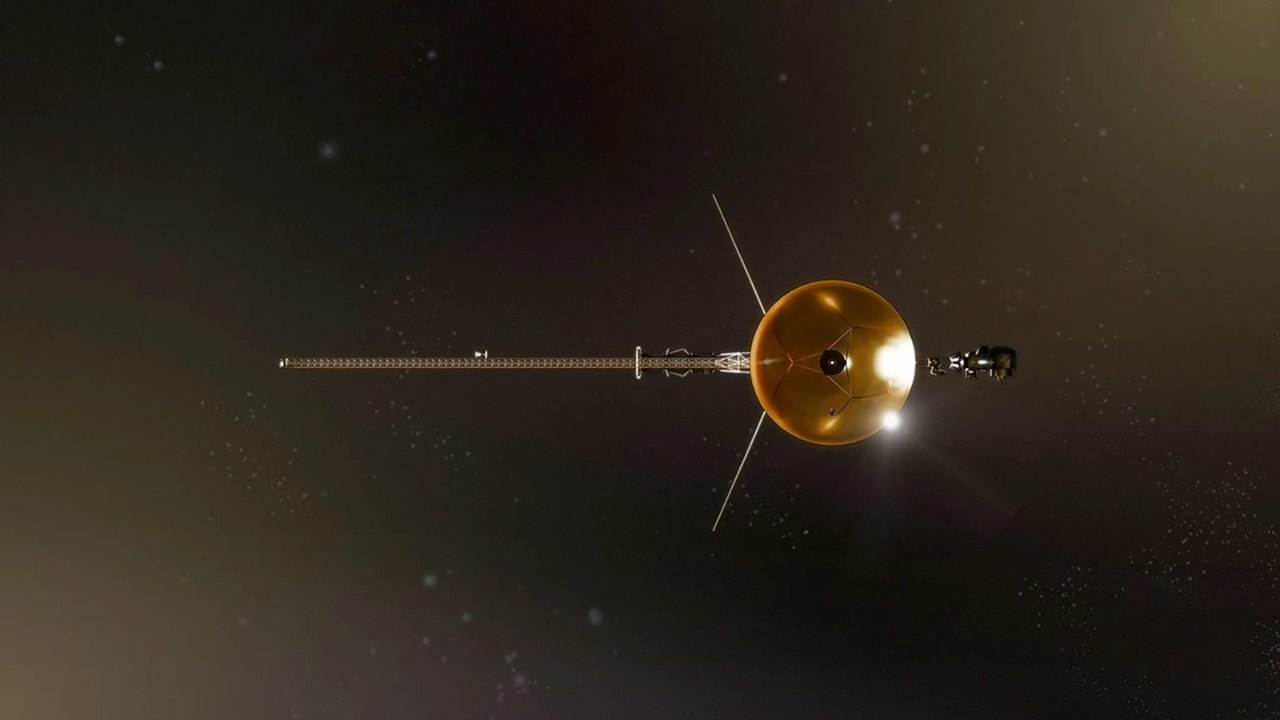
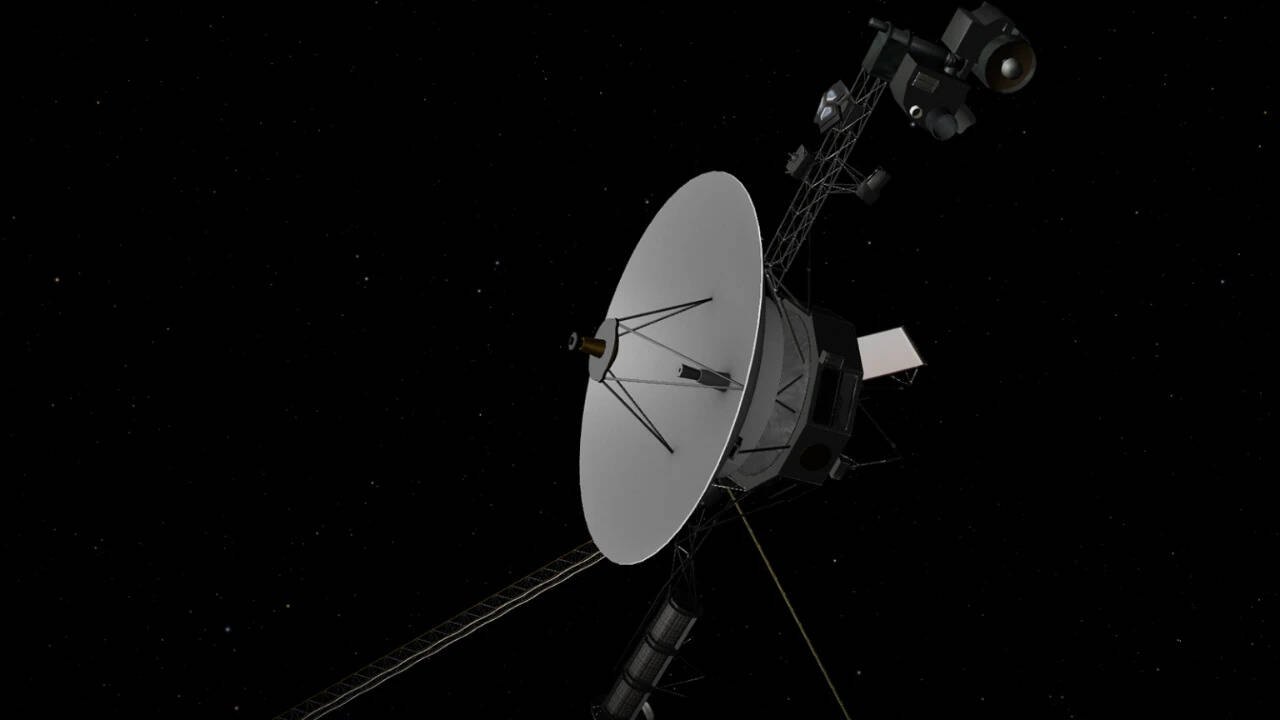
Image: The Times of India · Photo source · Resized and letterboxed to 16:9; no AI generation
Launched by NASA on September 5, 1977, Voyager 1 is the most distant human-made object in space, currently journeying through interstellar space. Originally designed to study Jupiter and Saturn, the spacecraft achieved historic milestones including discovering active volcanoes on Jupiter's moon Io and capturing the iconic "Pale Blue Dot" photograph of Earth in 1990 before its cameras were turned off to conserve power.
On November 18, 2026, Voyager 1 is expected to reach a distance of one light-day from Earth, approximately 25.9 billion kilometers away, meaning a message from Earth will take 24 hours to reach it.
Powering Through Interstellar Space
- Powered by radioisotope thermoelectric generators using decaying plutonium-238.
- Engineers have gradually shut down non-essential instruments and heaters to conserve declining power supplies.
- Two scientific instruments remain operational as of late 2026, measuring magnetic fields and charged gas waves.
The Golden Record
Voyager 1 carries a 12-inch gold-plated copper disc containing sounds, images, music, and greetings in 55 languages from Earth, intended as a message for any intelligent civilization that might find it in the distant future.
Verification and Outlook
NASA monitors the spacecraft using global radio antennas, overcoming occasional communication challenges. While the scientific mission is expected to conclude in the 2030s as power depletes, the spacecraft will continue its silent journey through the galaxy.
AI-assisted reporting; source claims are attributed and have not been independently verified.
More to read
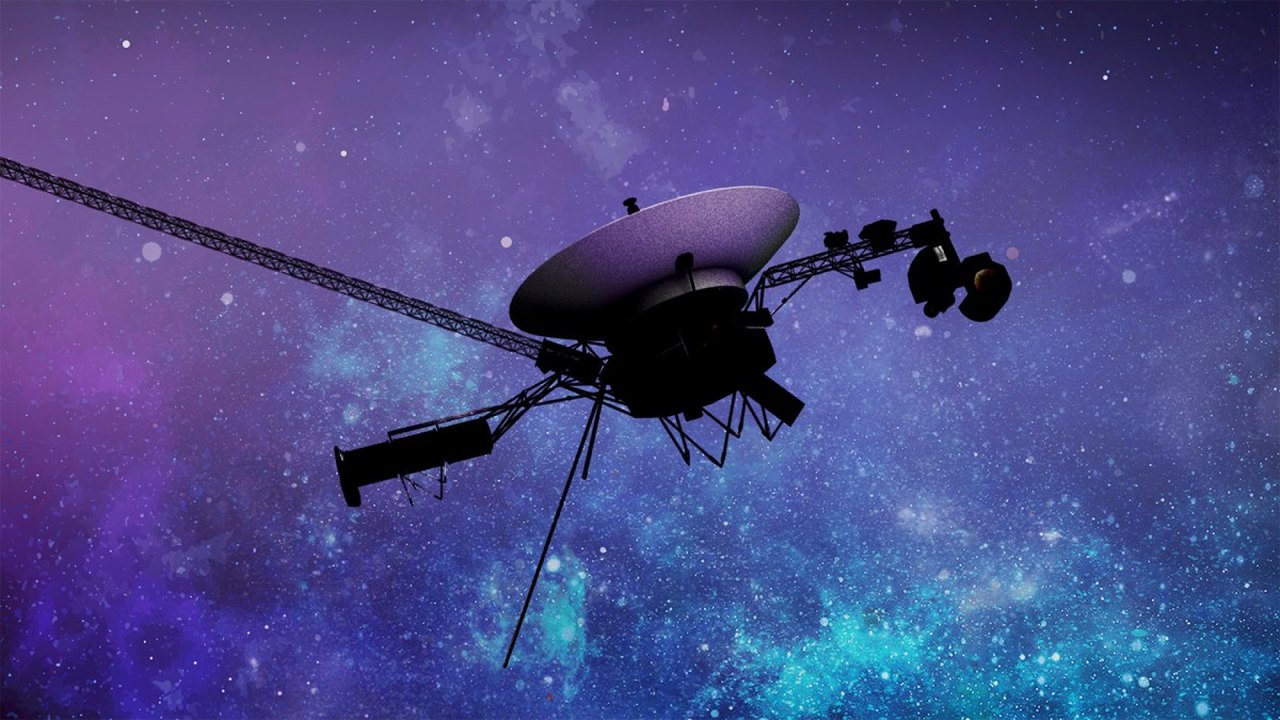 Voyager 1 Reaches One Light-Day From Earth, Marking a Historic Milestone
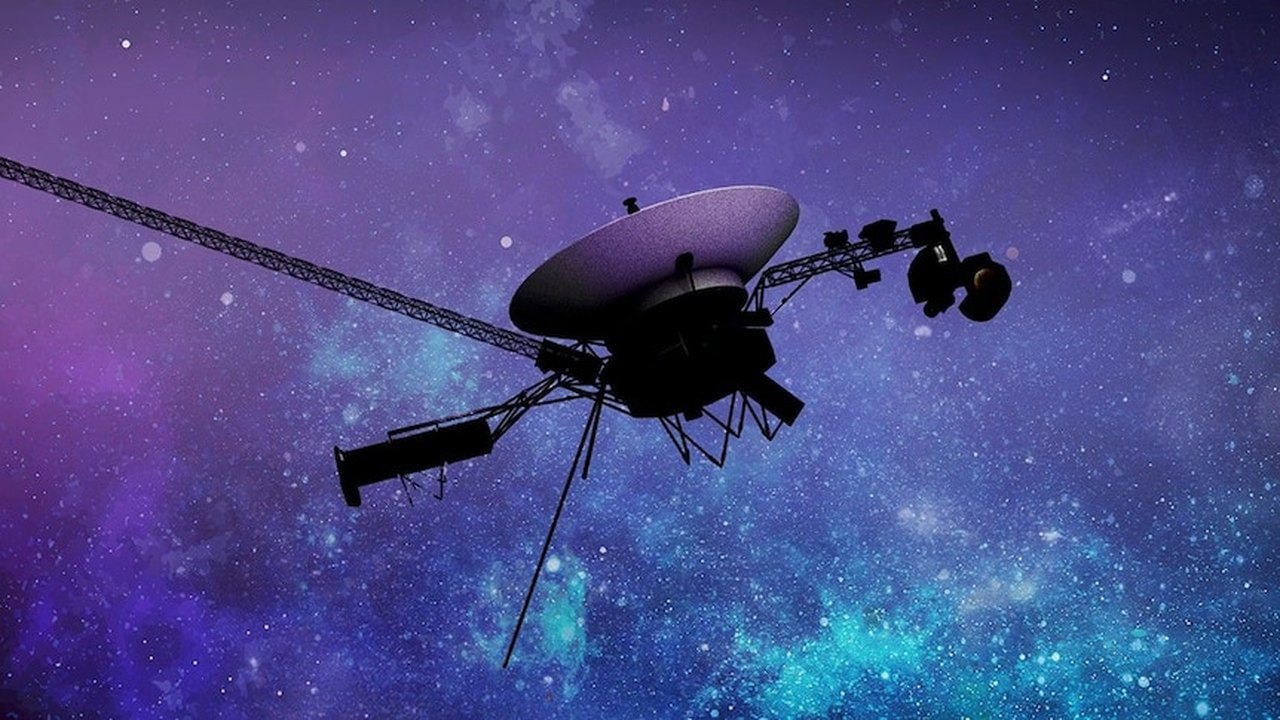 NASA's Voyager 1 Probe Expected to Reach Historic One Light-Day Distance Milestone
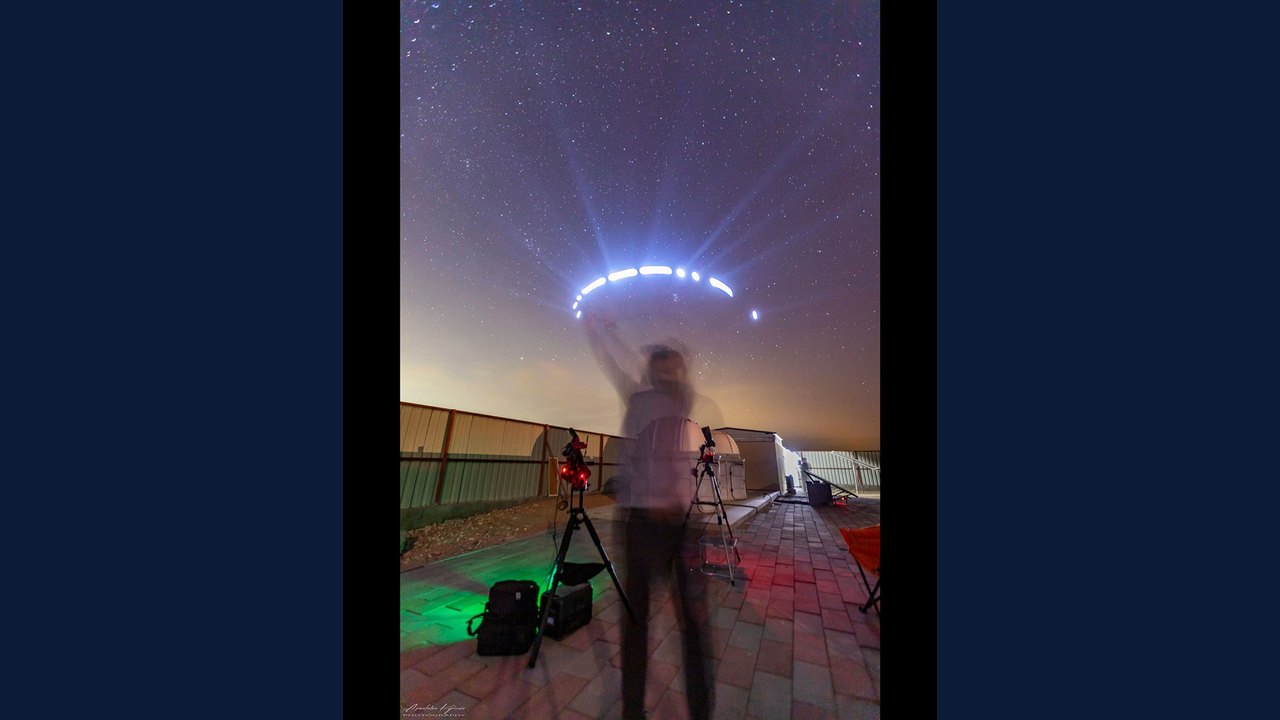 Voyager 1 Reaches One Light-Day Distance Milestone in Interstellar Space
 Voyager 1 Reaches One Light-Day Distance From Earth After 49 Years in Space