India Urges Even-Handedness in UN Human Rights Council to Preserve Credibility
· GlobeWire Daily Editorial Desk · Source: timesofindia.indiatimes.com

Image: The Times of India · Photo source · Resized and letterboxed to 16:9; no AI generation
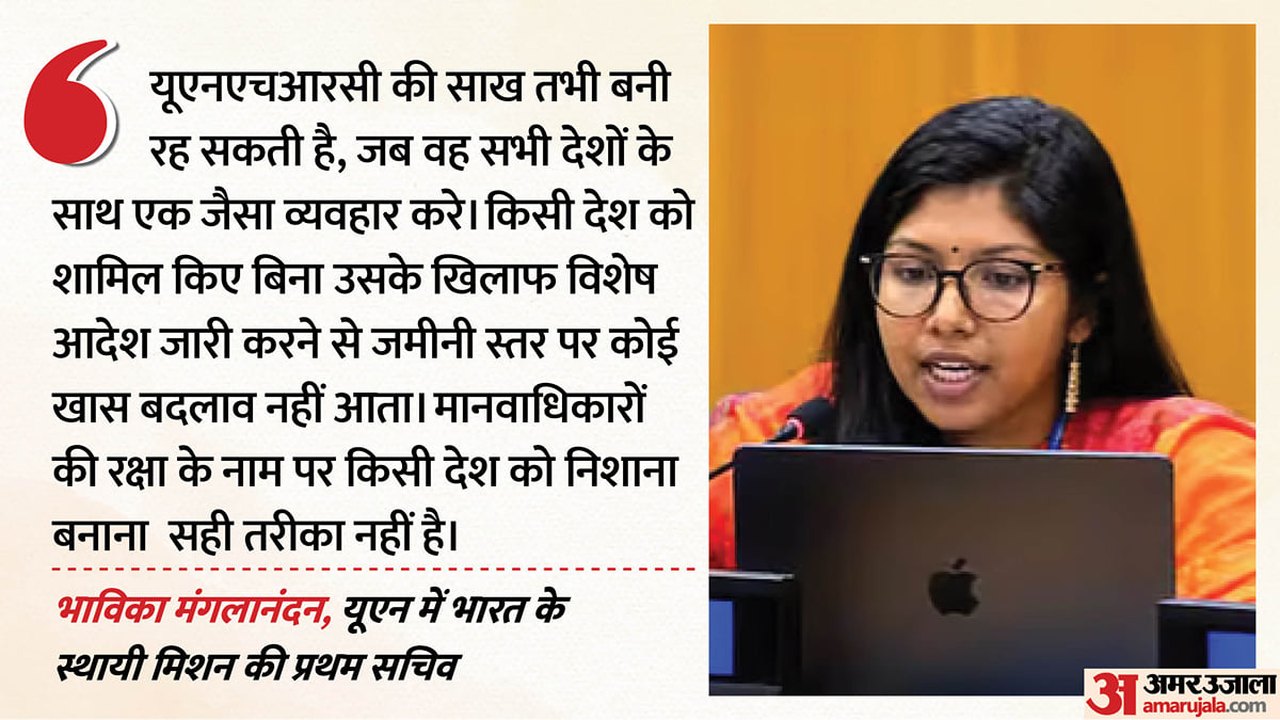
India has emphasized that the credibility of the United Nations Human Rights Council (UNHRC) hinges on "even‑handedness" and cautioned against country‑specific mandates that exclude the concerned nation.
Summary
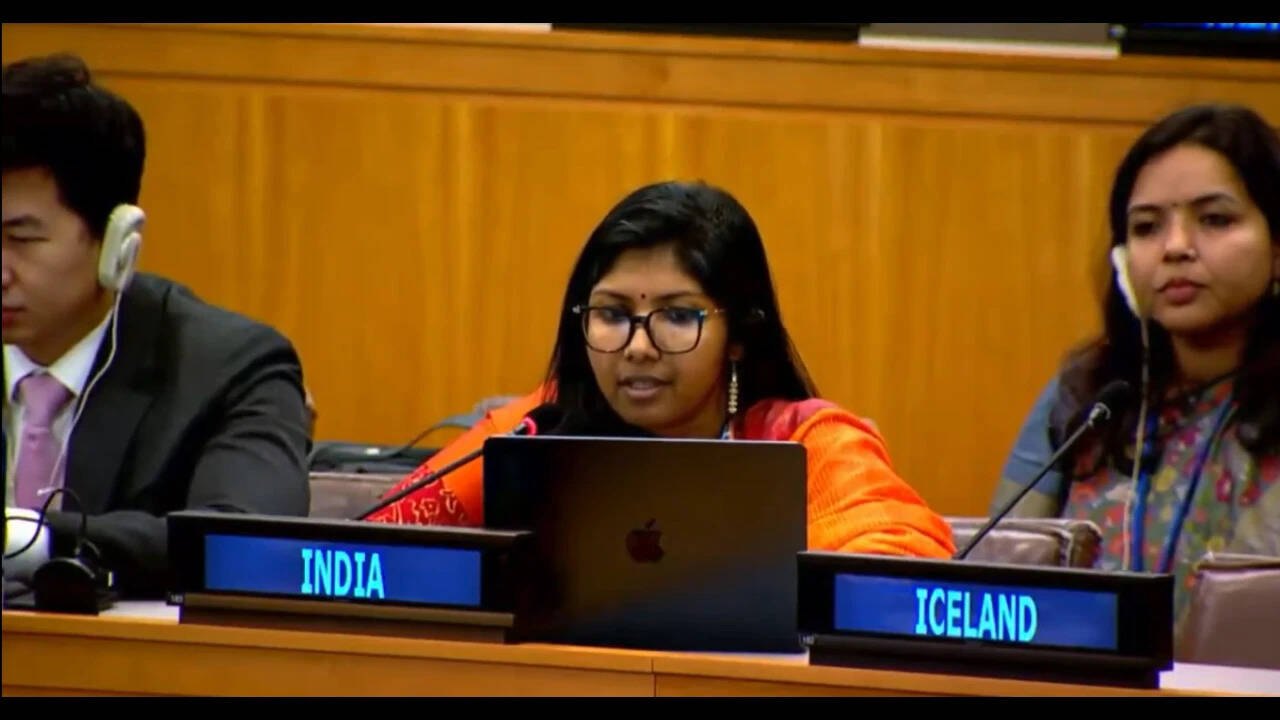
During a debate at the UN General Assembly, First Secretary Bhavika Mangalanandan of India’s Permanent Mission to the UN highlighted that unilateral actions often deepen divisions rather than improve human rights on the ground. She called for dialogue, cooperation, and equal treatment of all countries.
Key Points
- Even‑handedness: Credibility of the council depends on treating all member states equally.
- Country‑specific mandates: Pursued without the country’s engagement rarely improve conditions and create divisions.
- Dialogue over politicisation: India stresses that human rights should advance through genuine partnerships, not selective approaches.
- Universal Periodic Review (UPR): Identified as the appropriate platform for assessing human rights records.
- Equal emphasis on all rights: Economic, social, cultural, and development rights deserve the same attention as civil and political rights.
- Terrorism threat: India urges sustained attention to terrorism as a grave threat to the right to life.
- Funding and duplication concerns: Calls for transparent, member‑driven rationalisation of mandates and adequate, predictable funding from the regular budget.
- Avoiding duplication: Encourages mechanisms to prevent overlapping resolutions between the UN General Assembly and the UNHRC.
Practical Implications
- Member states should engage in UPR processes to ensure balanced assessments.
- The UNHRC may need to review its budgeting and mandate allocation to avoid disproportionate impacts on development‑related rights.
- Policymakers should monitor for potential duplication of initiatives between UN bodies.
How to Verify
- Check the UN General Assembly debate transcripts for the exact statements by Bhavika Mangalanandan.
- Review the UNHRC’s official documents on mandates and funding allocations.
- Monitor UNHRC’s UPR reports for changes in engagement practices.
Conclusion
India’s call for even‑handedness and equal treatment underscores the need for a balanced, cooperative approach within the UNHRC to maintain its legitimacy and effectiveness in promoting human rights worldwide.
AI-assisted reporting; source claims are attributed and have not been independently verified.
More to read
 Drop Double Standards to Preserve Credibility: India's Message to UNHRC
 UN General Assembly Reviews Human Rights Council's Annual Report at 81st Session
 India Advocates for Maritime Security and Navigation Rights at UN
 India Hits Out at Pakistan Over Minority Rights at the United Nations
Trending on GlobeWire Daily
Selected from recent coverage and related topics; not live search rankings.
 Madhya Pradesh Government Plans Revenue Generation from 117-Year-Old Edward Villa in Mumbai Through Leasing
 iPhone 18 Pro Named TechRadar Product of the Year 2026
 Google Project Suncatcher Runs Gemma 4 AI on Orbiting Satellite and Receives First Response
 Gender Disparities in Eye Care Access Across India Examined
 Satellite Images Show Cyclone Arnab Weakening Over India As New System Brews
 Expanding Green and Blue Spaces Crucial for India's Economic and Public Health, Reports Indicate