NASA Confirms Milestone: Exoplanet Discovery Count Hits 6,000
· GlobeWire Daily Editorial Desk · Source: www.space.com
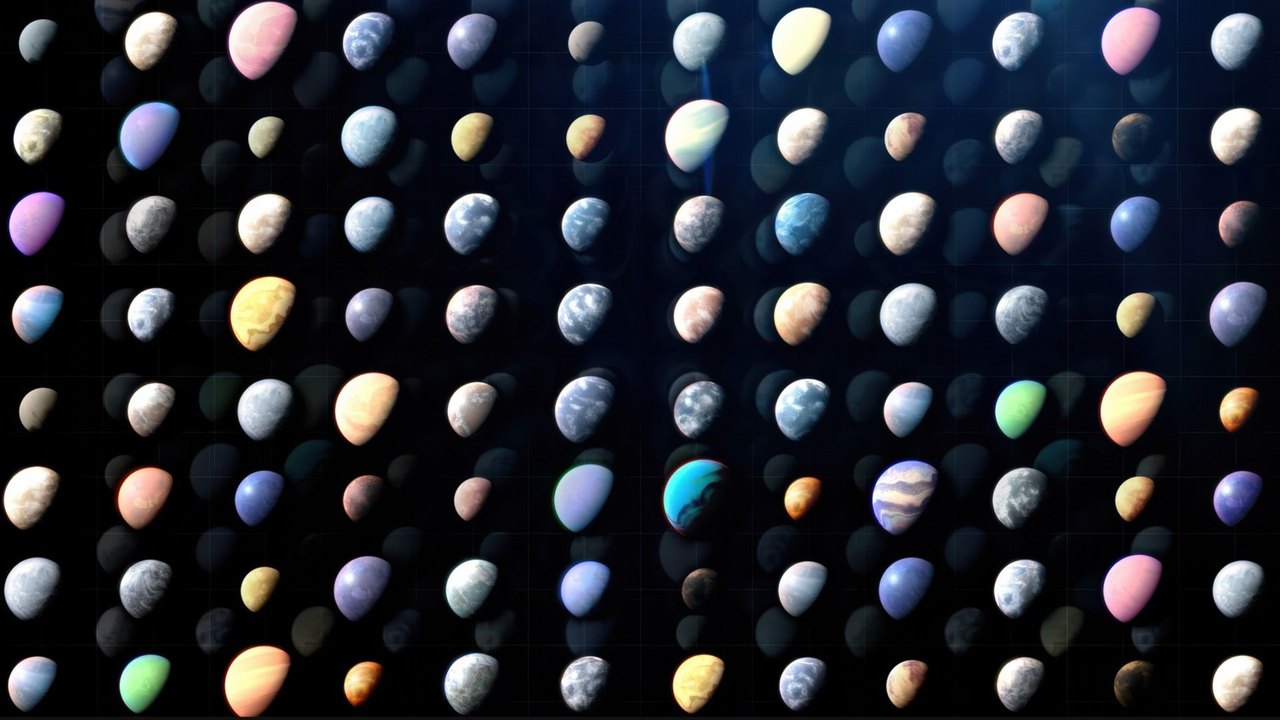
Image: Space · Photo source · Resized and letterboxed to 16:9; no AI generation
NASA has officially surpassed a major milestone in space exploration by cataloging over 6,000 exoplanets. This achievement comes just 30 years after the initial discovery of worlds beyond our solar system, with the rate of confirmed discoveries accelerating significantly in recent years. As of September 2024, the official count stands at 6,007 confirmed exoplanets.
Understanding the Milestone
The agency clarified that the 6,000 mark does not represent a single "6,000th" planet. Instead, planetary confirmation occurs on a rolling basis by global scientific teams. Notable facts regarding this tally include:
- Candidate Pool: Beyond the confirmed count, there are currently more than 8,000 candidate planets awaiting further study and verification.
- Methodology: NASA's space telescopes, such as the now-retired Kepler (over 2,600 finds) and the active Transiting Exoplanet Survey Satellite (TESS, with 693 finds), have been primary drivers of this growth.
- Historical Context: While 1992 marked the first discovery around a pulsar, the 1995 discovery of 51 Pegasi b by Michel Mayor and Didier Queloz is cited as the first finding of a planet orbiting a sun-like star.
Diversity of Alien Worlds
The confirmed exoplanets are categorized into several types based on size and composition, illustrating the vast variety within the galaxy:
- Neptune-like: 2,035 worlds with atmospheres dominated by hydrogen and helium.
- Gas Giants: 1,984 planets similar to Jupiter.
- Super-Earths: 1,761 worlds larger than Earth but smaller than Neptune.
- Terrestrial Planets: 700 rocky, Earth-like worlds.
- Unknown: 7 planets that currently defy standard classification.
Dawn Gelino, lead of NASA’s Exoplanet Exploration Program at the Jet Propulsion Laboratory, noted that these discoveries are critical for understanding planetary formation and determining how common Earth-like planets might be in the universe. While many unique types of worlds have been identified—including lava-covered planets and high-speed orbiters—scientists continue the search for a true "Earth 2.0."
For the most current data, interested observers can verify the real-time tally via NASA’s official Exoplanet Exploration website.
AI-assisted reporting; source claims are attributed and have not been independently verified.
More to read
 New Cryptography-Inspired Method Accelerates Pulsar Discovery in NASA Data
 NASA Data Confirms First-of-Its-Kind Stellar Merger in Andromeda Galaxy
 NASA's Voyager 1 Probe Expected to Reach Historic One Light-Day Distance Milestone
 NASA's NEO Surveyor Mission Reaches Key Milestone With Sunshade and Solar Array Integration