New Cryptography-Inspired Method Accelerates Pulsar Discovery in NASA Data
· GlobeWire Daily Editorial Desk · Source: science.nasa.gov
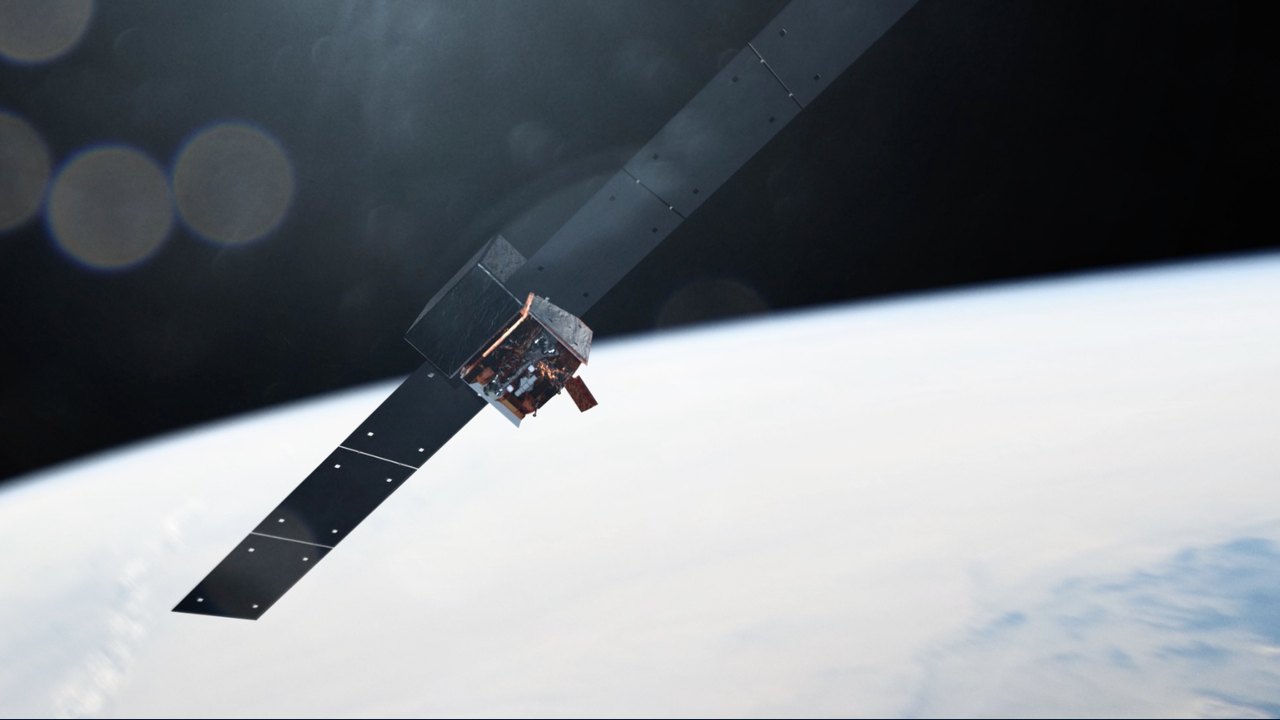
Image: NASA Science · Photo source · Resized and letterboxed to 16:9; no AI generation
An international research team has developed a computational technique that identifies pulsars in NASA data approximately one million times faster than previous methods. The study, published in Physical Review Letters, utilizes fifteen years of archival observations from NASA’s Fermi Gamma-ray Space Telescope.
The Lattice-Based Breakthrough
Traditional pulsar searches require immense computing power because researchers must account for multiple unknowns, including the star's rotation rate and precise sky coordinates. Previously, this process relied on crowdsourced processing power, often taking hundreds of computer-years to identify a single source.
Researchers Dotan Gazith and Barak Zackay of the Weizmann Institute of Science repurposed algorithms originally designed for cryptography—specifically to break high-dimensional lattices. This approach reduces the problem to finding the shortest vector in a multidimensional space. Using this method, the team successfully identified PSR J1622−7204, a pulsar spinning 261 times per second, in only 10 hours of computing time—a task that would have taken a standard processor 600 years using previous techniques.
Future Objectives
- Binary System Searches: The team aims to locate pulsars orbiting companion stars, a feat currently limited by gravitational signal distortion.
- Expanding Catalog: Researchers plan to combine this new algorithm with the existing Einstein@Home volunteer computing program to uncover pulsars previously obscured by background noise.
Data Accessibility
This discovery was made possible by NASA’s Open Science policy, which provides free, public access to all Fermi Gamma-ray Space Telescope data. By making raw mission data and analytical tools like Fermitools available, NASA enables independent researchers to apply novel techniques to existing datasets, fostering scientific advancements beyond the initial scope of the mission.
Readers can learn more about the Fermi mission and access public data through the official NASA science portal.
AI-assisted reporting; source claims are attributed and have not been independently verified.
More to read
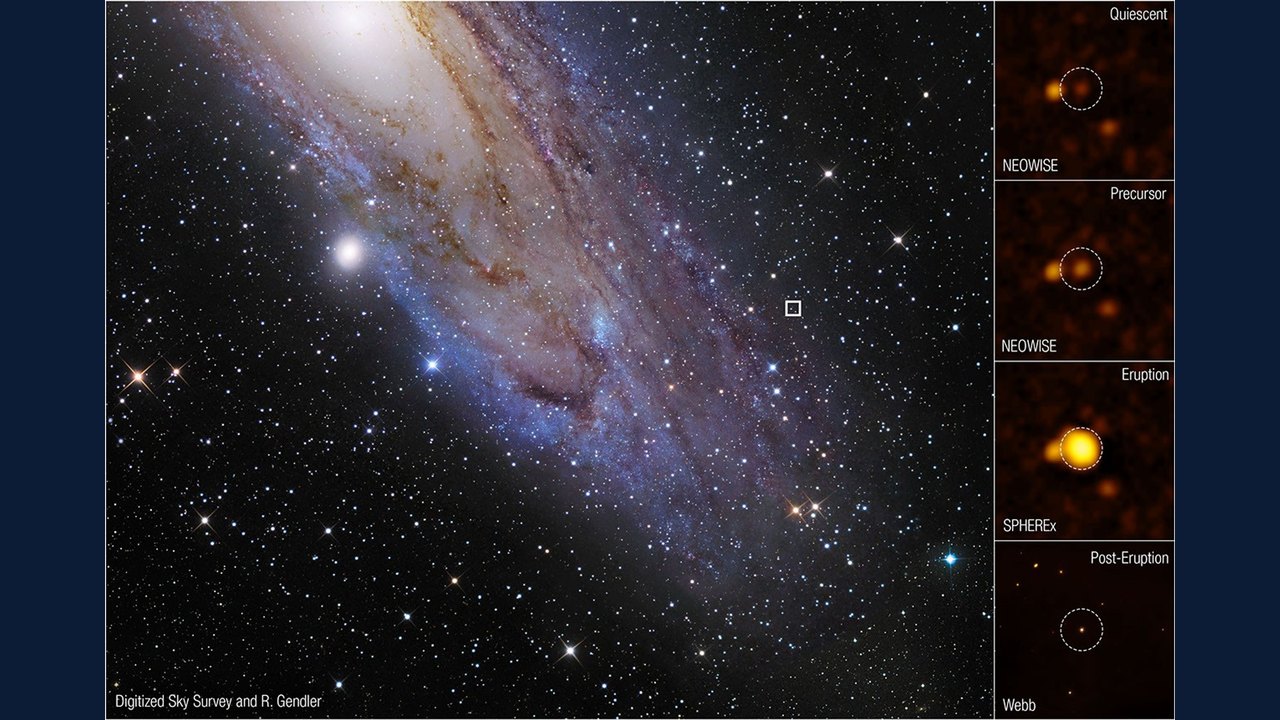 NASA Data Confirms First-of-Its-Kind Stellar Merger in Andromeda Galaxy
 NASA Confirms Milestone: Exoplanet Discovery Count Hits 6,000
 NASA Explores Super Intelligence to Enhance Science Data and Research
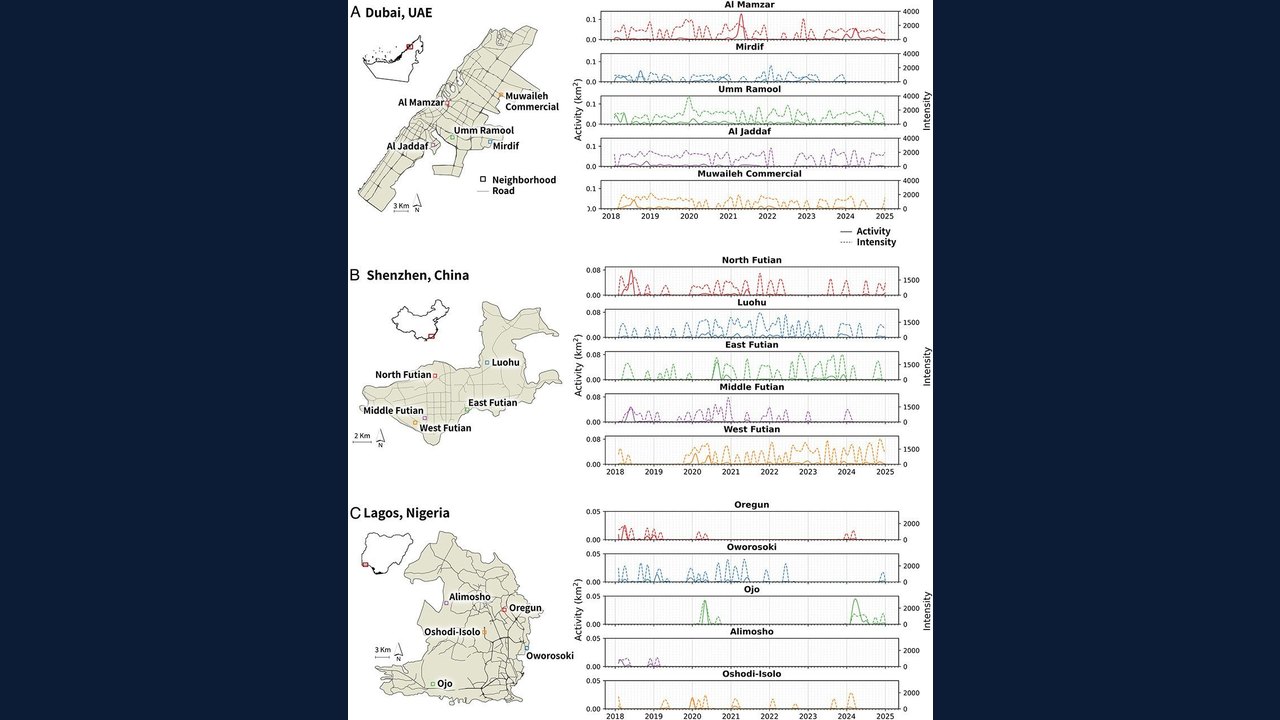 NASA-Backed Research Introduces 'Urban Pulse' Method to Track City Growth from Space