DeepSeek AI Releases Open-Source Agent Harness with Plugin-First Architecture
· GlobeWire Daily Editorial Desk · Source: github.com
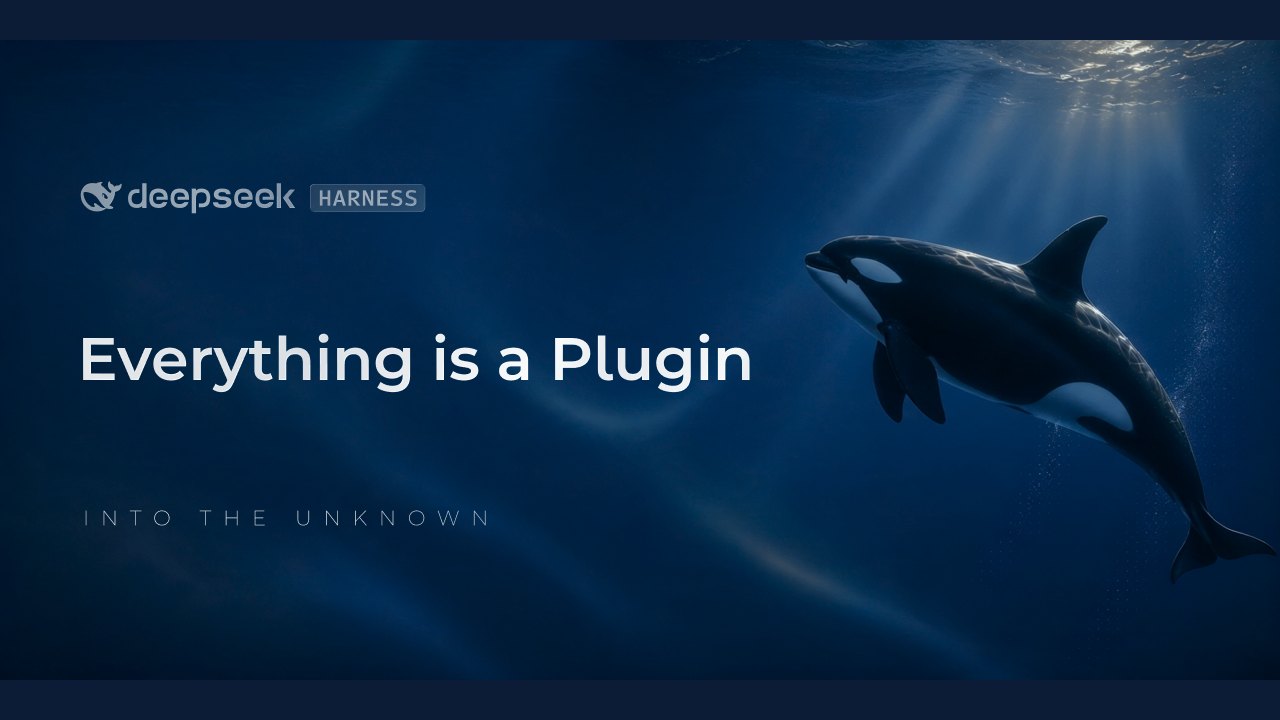
Image: GitHub · Photo source · Resized and letterboxed to 16:9; no AI generation
DeepSeek Harness Enters Developer Preview
DeepSeek AI has published DeepSeek Harness (dsh), an open-source agent harness built on an "everything-is-a-plugin" architecture. The project is powered by Cordis, a framework whose design is described in the paper *A Programming Paradigm for Spatiotemporal Composability*.
The repository is currently in developer preview and the maintainers warn that compatibility-breaking changes will occur as the project iterates rapidly.
Key Features and Design
- Plugin-centric model: Every capability — tools, memory, planning, UI — is implemented as a plugin.
- Cordis runtime: Provides spatiotemporal composability, allowing plugins to be composed across time and space dimensions.
- Local Web UI: The `dsh web` command starts a server at `http://127.0.0.1:3080` and opens it in the default browser. An `--no-open` flag runs the server without launching the browser.
- SSH-aware launch: When started over SSH, only the host URL is printed because the SSH client or editor owns the forwarded address.
- Development workflow: `pnpm run dev:web` builds, serves, and hot-reloads client bundles in a single terminal. `make help` lists matching Make targets for Web and Desktop builds.
Safety and Community
- A safety notice is included in the repository and should be reviewed before running the project.
- Third-party dependencies and their licenses are disclosed in `THIRD_PARTY_NOTICES.md`.
- Feedback and bug reports are accepted through GitHub Discussions.
- Plugin authors are encouraged to add the `dsh-plugin` topic to their repositories for discoverability.
- A Discord community is available for real-time discussion.
Practical Implications
Developers interested in building modular, composable AI agents can experiment with DeepSeek Harness today, but should treat it as unstable pre-release software. The plugin architecture may appeal to teams wanting fine-grained control over agent capabilities without vendor lock-in.
How to Verify
- Source repository: <https://github.com/deepseek-ai/deepseek-harness>
- Documentation: <https://deepseek-harness.github.io/deepseek-harness/>
- Cordis design paper: *A Programming Paradigm for Spatiotemporal Composability* (linked from the repo)
- All claims above are drawn from the public GitHub repository and its documentation. No private access or insider information was used.
AI-assisted reporting; source claims are attributed and have not been independently verified.
More to read
 Asymptote Labs Releases Beacon: Open-Source Cross-Harness Memory Layer for AI Coding Agents
 MiniMax Releases Open-Source Terminal Coding Agent for Local and Cloud Models
 Cindy Open-Source AI Agent Platform: Features, Multi-Device Capabilities and Licensing Overview
 Mainplane Launches Open-Source Ecosystem for AI Agent Management
Trending on GlobeWire Daily
Selected from recent coverage and related topics; not live search rankings.
 A Guide to Understanding UK Housing and Local Authority Services
 Open Source Community Launches New Home for Papers with Code
 Higgsfield AI Launches Markdown-Based Skill Set for Visual Brand Agents
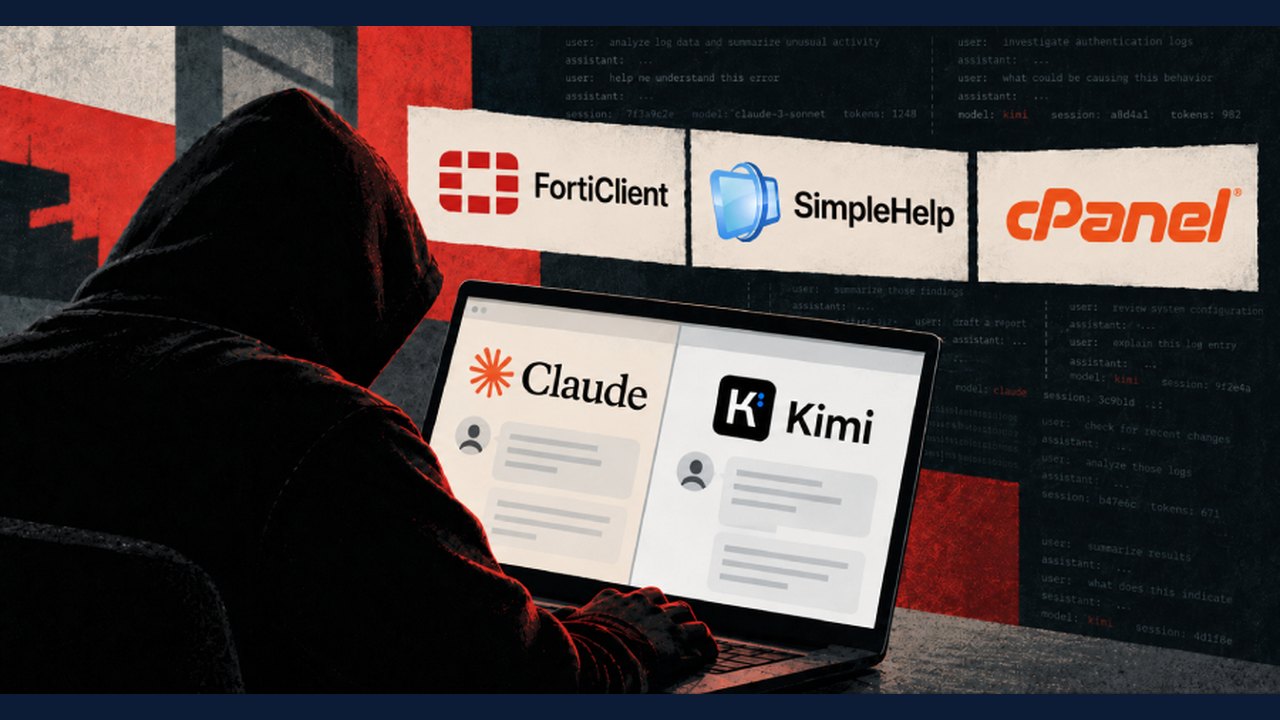 Ransomware Affiliates Deploy AI Agents in 'Phantom' Framework to Automate Intrusions, Researchers Find
 nodeterm Introduces Spatial Terminal Manager for AI Coding Agents Across Desktop, Browser, and Mobile
 Open‑source toolkit offers evidence‑based steps to recover DSM ransomware‑encrypted data